





Why You Should Never Use Your Office Scissors on Fabric
By Grok | Craft Smart, Cut Right
In every office drawer, there's a reliable pair of Office Scissors — those everyday heroes that zip through paper, envelopes, and sticky notes with ease. But here's a hard truth for crafters, sewers, and DIY enthusiasts: never reach for your Office Scissors when fabric is involved. It might seem convenient in the moment, but it’s a shortcut that leads to frustration, ruined materials, and dull blades. Let’s dive into why you should keep your Office Scissors strictly for paper and invest in the right tool for cloth.
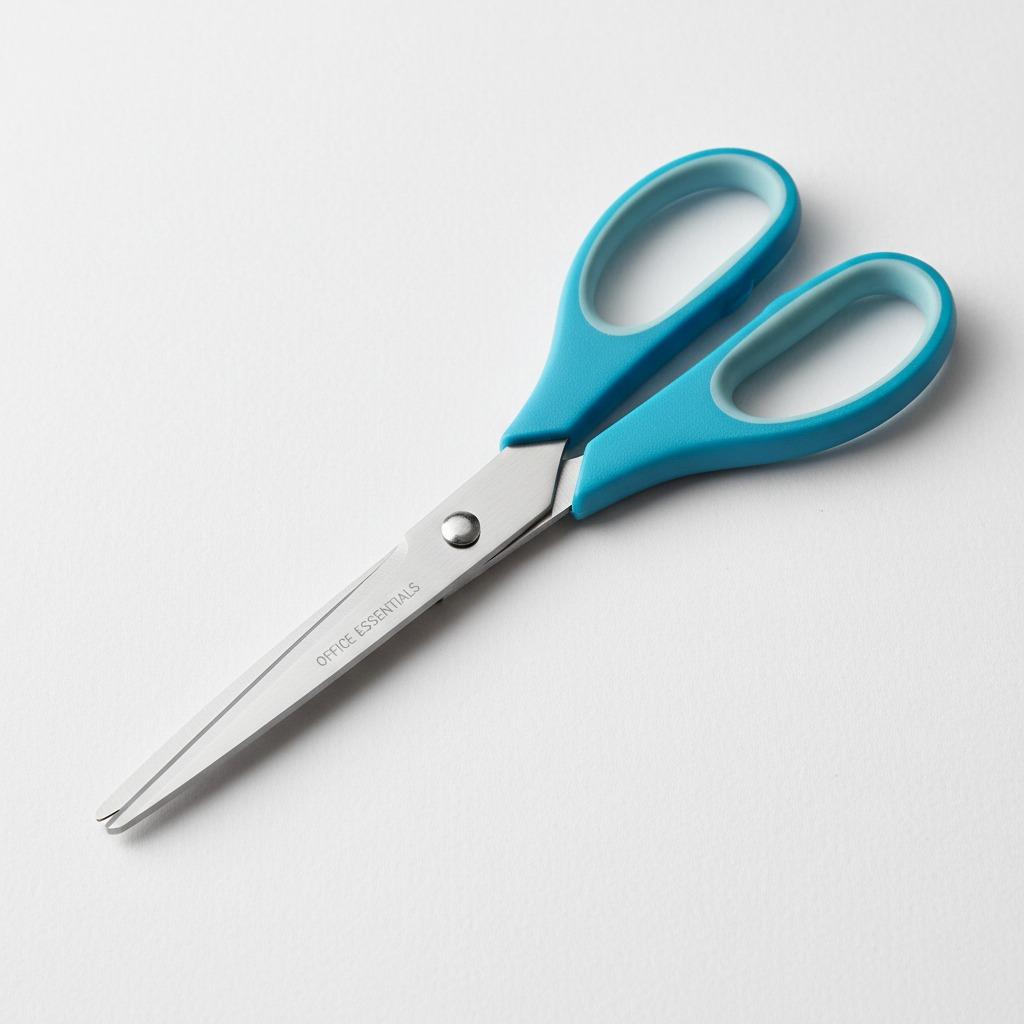
Typical Office Scissors: Perfect for paper, but not built for fabric.
1. They’re Designed for Paper, Not Fabric
Office Scissors usually feature short, pointed blades optimized for clean, precise cuts through thin, flat materials like printer paper or cardstock. Fabric, on the other hand, is fibrous, stretchy, and often layered. Using Office Scissors on it creates jagged edges and pulling instead of smooth slices.
Fabric scissors (also called shears) have longer blades, a different pivot angle, and sometimes micro-serrations to grip and glide through cloth without fraying. Grab the wrong pair, and your project suffers from the start.
![Amazon.com: TONMA Sewing Scissors [Made in Japan] 9 Inch Professional Fabric Scissors, Industrial Japanese Solid Stainless Steel Dressmaker Tailor Shears, Ideal for Cutting Cloth Denim Leather, Mirror Finish : Arts, Crafts &](https://m.media-amazon.com/images/I/51bLi2QhbrL._AC_UF894,1000_QL80_.jpg)
Professional fabric scissors/shears: Built for clean cuts on cloth, denim, and more.
2. Your Blades Will Dull in Seconds
Fabric fibers are tougher than paper. One quick cut through cotton or denim, and the sharp edges of your Office Scissors start to nick and round off. Before you know it, they’re chewing instead of slicing — and once dulled, they’re frustrating to use even on paper again.
Proper fabric scissors stay sharp longer because their blades are made from higher-quality steel and shaped specifically for textile work.

Close-up of dulled blades after improper use — exactly what happens when you cut fabric with Office Scissors.
3. You’ll End Up with Frayed, Uneven Fabric
Nothing kills a sewing or crafting project faster than ragged edges. Office Scissors often cause threads to unravel, leading to wasted fabric and extra hemming work. Fabric scissors deliver crisp, professional cuts every time.
Quick Comparison: Office Scissors vs. Fabric Scissors
| Feature | Office Scissors | Fabric Scissors (Shears) |
|---|---|---|
| Blade Length & Shape | Short (5–7 inches), pointed tips | Long (8–10+ inches), angled for glide |
| Best For | Paper, tape, light office tasks | Fabric, leather, multiple layers of cloth |
| Cut Quality on Fabric | Jagged, fraying edges | Clean, precise, no unraveling |
| Blade Durability | Dull quickly on textiles | Stay sharp through heavy use |
| Handle & Grip | Basic, for occasional paper cuts | Ergonomic, often with larger loops |
| Price Range | $5–15 (everyday) | $15–50+ (professional quality) |
This table makes it crystal clear: your trusty Office Scissors are office superstars — but they’re no match for fabric projects.

Side-by-side variety: See the difference in blade design between everyday scissors and specialized ones.
The Smart Solution
Keep your Office Scissors where they belong — at your desk for all things paper. For any fabric work, pick up a dedicated pair of fabric scissors and label them clearly (or hide your Office Scissors when sewing!). Your projects will look better, your blades will last longer, and you’ll save time and money in the long run.
Next time temptation strikes, remember: Office Scissors and fabric simply don’t mix. Cut smart, not sorry!
Keywords: Office Scissors, fabric scissors, sewing shears, craft tools, DIY tips.
Happy crafting — and may your blades stay forever sharp!