





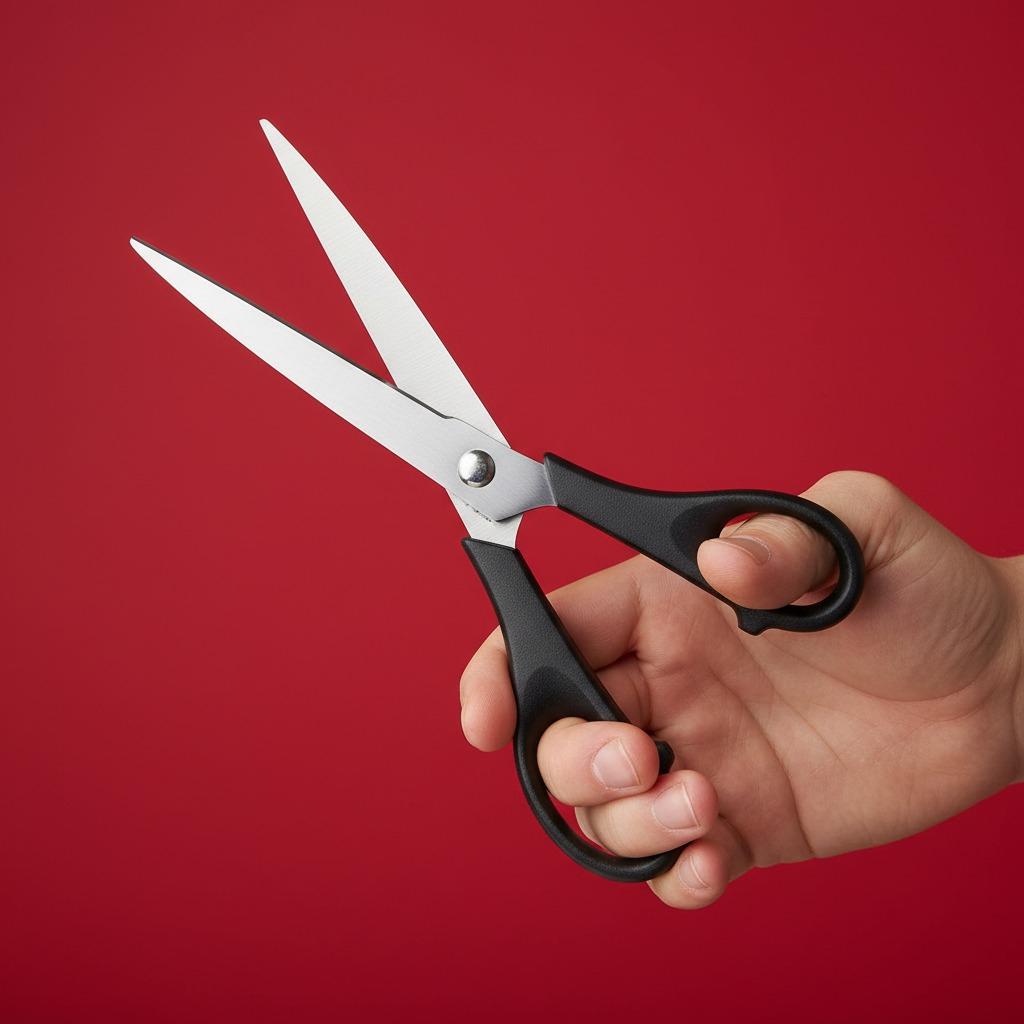
Why You Should Never Use Fabric Shears on Paper: A Technical Explanation
Fabric shears (also known as fabric scissors or sewing shears) are precision tools designed specifically for cutting delicate and fibrous materials like cloth. Many people casually reach for them to cut paper, patterns, or even household scissors tasks around the home, but this habit can ruin your expensive shears faster than you think. Here's a detailed technical breakdown of why you should keep fabric shears strictly for fabric—and what to use instead.
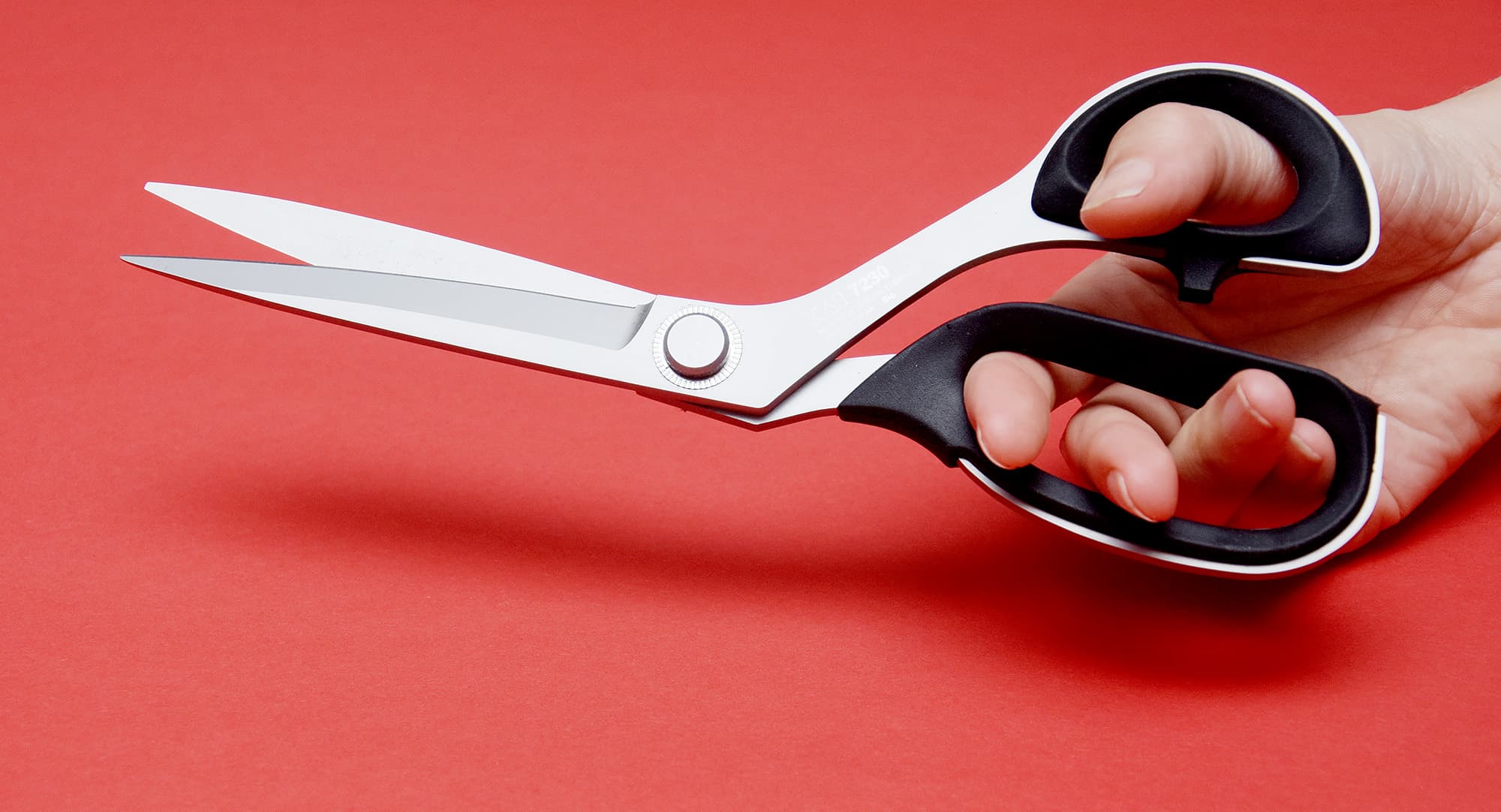

Above: Professional fabric shears feature long, sharp blades with a steep edge angle, ergonomic handles, and high-carbon steel construction optimized for clean fabric cuts.
1. Blade Edge Design: Sharpness Matters
Fabric shears are engineered with a very acute sharpening angle—typically around 25–45 degrees (or even steeper on the cutting edge). This razor-like edge slices through soft, floppy fabric fibers cleanly without fraying or pulling threads. The blades are often made from high-carbon steel, which holds a fine edge longer and is easier to hone.
Paper scissors (or all-purpose household scissors), by contrast, have blunter edges, often in the 5–20 degree range or less acute overall, sometimes with micro-serrations. These are tough enough for the abrasive nature of paper but won't give the precision needed for sewing.
When you use fabric shears on paper, the ultra-sharp edge encounters unnecessary resistance and abrasion, leading to micro-nicks, rounding, and rapid dulling.
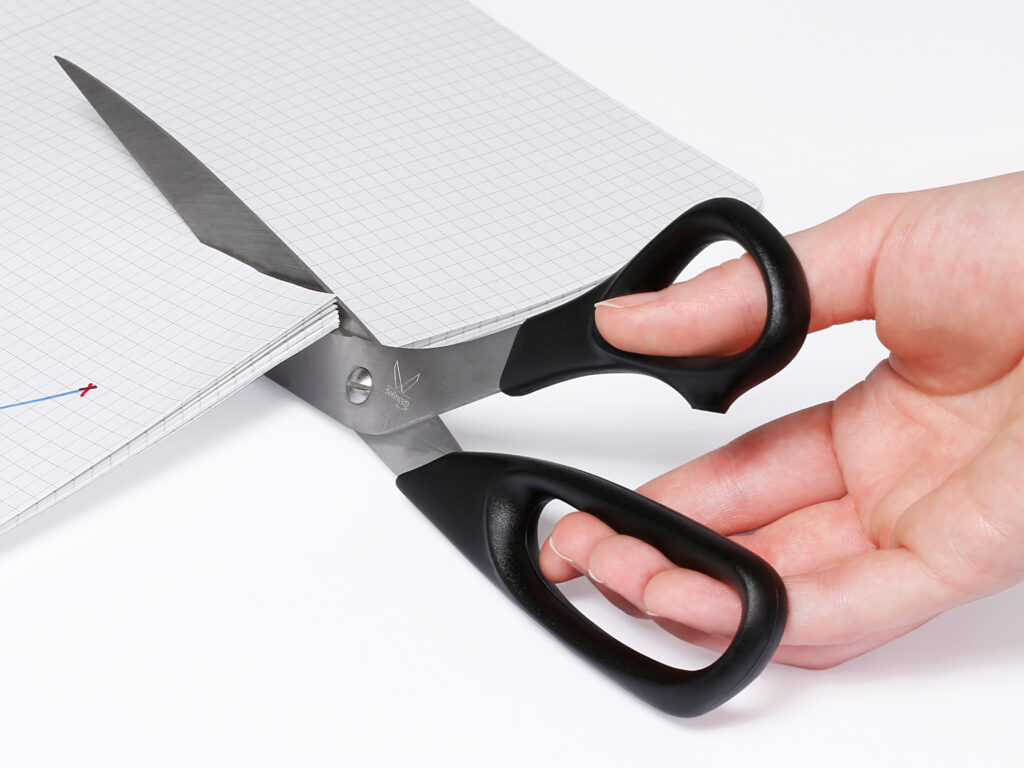
Above: Typical paper scissors cutting grid paper. Notice the shorter blades and different handle design suited for office or general use.
2. Material Composition: Paper is Surprisingly Abrasive
Paper isn't just soft cellulose. Most commercial papers contain fillers and coatings like:
- Kaolin clay
- Calcium carbonate
- Titanium dioxide
- Talc
These minerals are highly abrasive to metal edges. Fabric, being mostly soft fibers (cotton, silk, wool, etc.), is far less damaging. Cutting paper leaves behind fine grit and residues that build up on the blades, accelerating wear. Over time, this turns your smooth-sliding shears into ones that chew fabric instead of slicing it cleanly.
Additionally, some papers have adhesives or resins that can make blades feel sticky, further degrading performance.

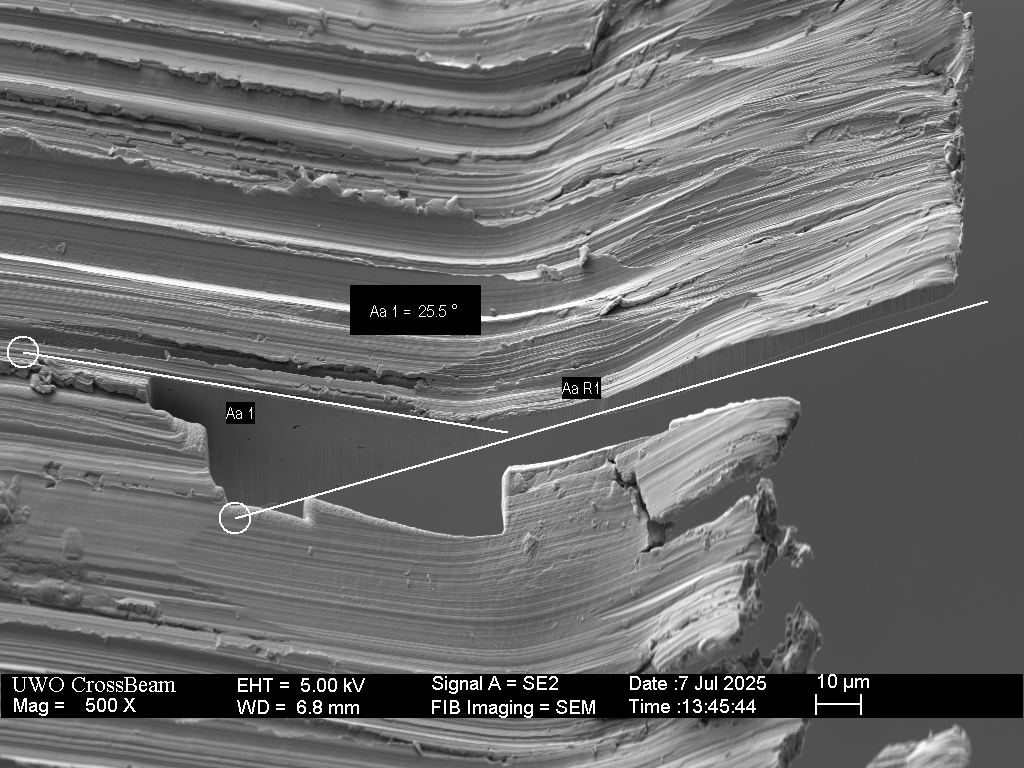
Above: Microscopic views of blade edges show how sharpness (and damage) appears at the microscopic level. A dulled edge from abrasive materials creates burrs and uneven surfaces that ruin clean cuts.
3. Mechanical Stress and Pivot Wear
Fabric shears often have a bent or offset handle design so the lower blade can lie flat on a table for accurate pattern cutting. The central pivot screw is calibrated for the lighter forces involved in fabric work. Cutting thick stacks of paper or cardstock applies extra torque and pressure, which can loosen the pivot, misalign the blades, or even cause nicks at the tips.
Household scissors are built sturdier for mixed tasks and can handle this abuse better without losing functionality as quickly.

Above: Fabric shears in action on fabric—notice how the blades stay flat and provide precise control.
4. Real-World Consequences
- Dulled blades: Fabric starts to fray, snag, or get "chewed" instead of cutting cleanly.
- Frequent sharpening needed: High-quality shears require professional sharpening more often.
- Reduced lifespan: Premium pairs (like Gingher or Kai) can last years when used properly but degrade quickly with misuse.
- Frustration in sewing: Poor cuts lead to inaccurate patterns and wasted material.
Many sewing enthusiasts treat "using fabric shears on paper" as a serious offense—it's like using a chef's knife to cut cardboard!

Above: Close-up of high-quality fabric shears on a cutting mat—keep them looking and performing like this.
Comparison Table: Fabric Shears vs. Paper/Household Scissors

![Amazon.com: TONMA Heavy Duty Kitchen Scissors All Purpose [Made in Japan] Stainless Steel Japanese Multipurpose Kitchen Shears for Herbs, Chicken, Food, Garden, Office, Crafting, Leather, Dishwasher Safe: Home & Kitchen](https://m.media-amazon.com/images/I/61aK80DOy1L._AC_UF894,1000_QL80_.jpg)
Above: Examples of all-purpose household scissors—great for paper and mixed tasks, but not for precision sewing.
Best Practices and Alternatives
- Dedicate separate pairs: Keep expensive fabric shears only for fabric. Buy cheap household scissors or dedicated paper scissors for patterns, coupons, and everyday use.
- Clean after use: Wipe blades with a soft cloth; avoid water if possible.
- Store properly: Keep in a sheath or dedicated spot to protect tips.
- Sharpen professionally when needed, but prevention is better.
If you must cut paper patterns occasionally, use tissue paper (which is less abrasive) or accept that your shears will need more maintenance.
By respecting the technical design of your tools, you'll enjoy cleaner cuts, less frustration, and longer-lasting equipment. Next time someone asks to borrow your "good scissors" for paper—politely say no and hand them the household scissors instead!

Bonus tip: Pinking shears (zigzag blades) are also for fabric only—don't use them on paper either!
This technical approach isn't just tradition; it's rooted in materials science and tool engineering. Protect your investment and your sewing projects.