






The Pros and Cons of Using Plastic Cutting Boards
Cutting Boards are essential kitchen tools that protect your countertops and keep your knives sharp during food prep. Among the many options available, plastic Cutting Boards stand out for their practicality and low cost. Whether you're chopping vegetables, slicing meat, or preparing a full meal, plastic Cutting Boards offer a convenient choice for everyday use. But are they the best option for your kitchen? In this post, we explore the pros and cons of plastic Cutting Boards, backed by expert insights, to help you make an informed decision.
:max_bytes(150000):strip_icc()/winco-plastic-cutting-board-grace-kelly-01-a2f64fd497eb4e53b1633aa6e67ea8fc.jpg)
Pros of Plastic Cutting Boards
Plastic Cutting Boards have become a staple in many households—and for good reason. Here are the key advantages:
- Affordable and Widely Available: Plastic Cutting Boards are significantly cheaper than wood, bamboo, or marble alternatives, making them ideal for budget-conscious cooks or first-time buyers.
- Lightweight and Easy to Handle: Their slim design and low weight make them space-efficient and simple to move to the sink or store in small kitchens.
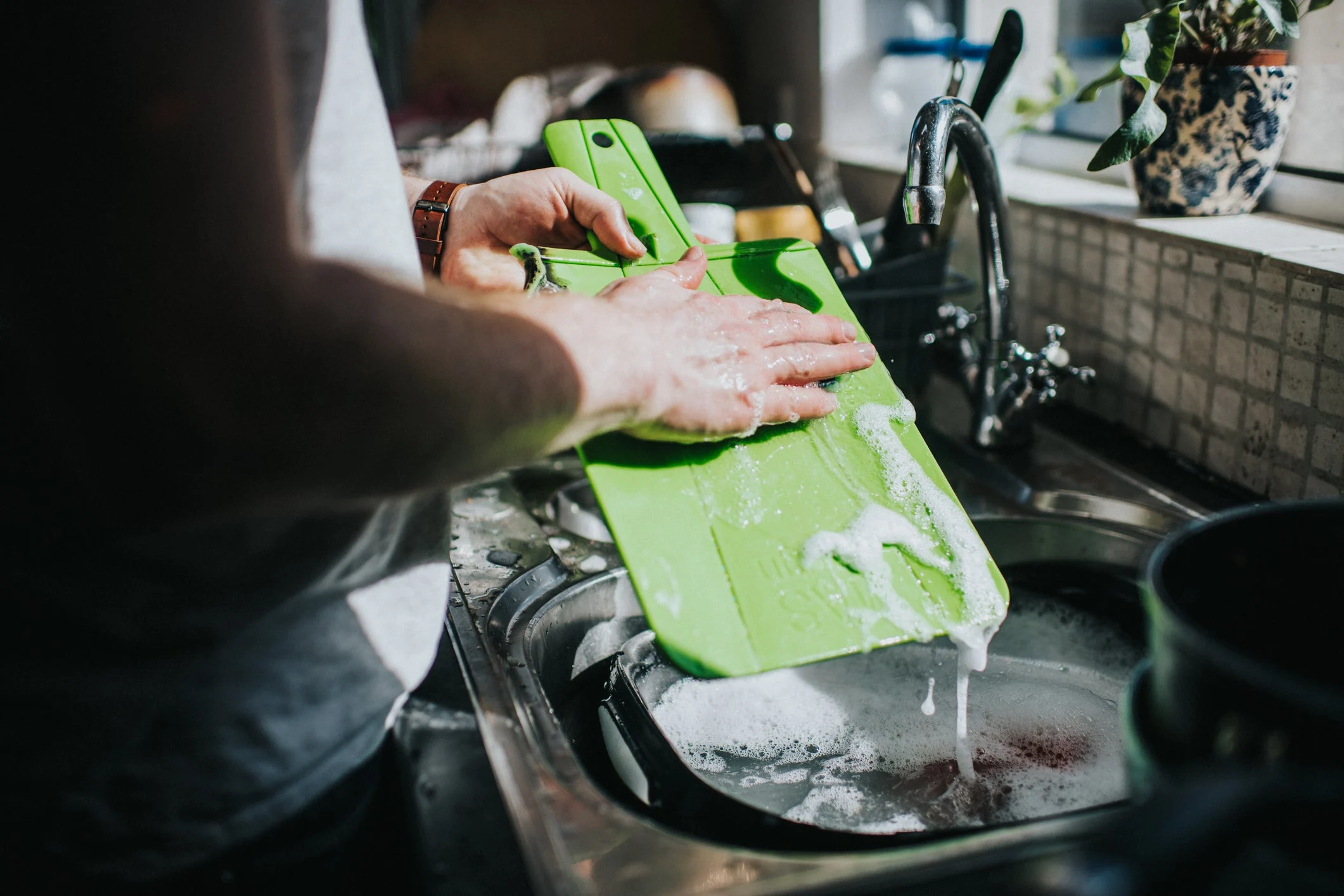
- Dishwasher-Safe and Easy to Clean: Most plastic Cutting Boards are non-porous when new, resistant to odors, and can go straight into the dishwasher for thorough sanitizing.
- Color-Coded for Safety: Many sets come in different colors (e.g., red for raw meat, green for vegetables) to help prevent cross-contamination.
- Moisture Resistant: Unlike some wooden Cutting Boards, plastic versions won't warp or crack from water exposure.
These features make plastic Cutting Boards a practical pick for busy kitchens where quick cleanup matters most.
Cons of Plastic Cutting Boards
While convenient, plastic Cutting Boards aren't perfect. Here are the main drawbacks to consider:
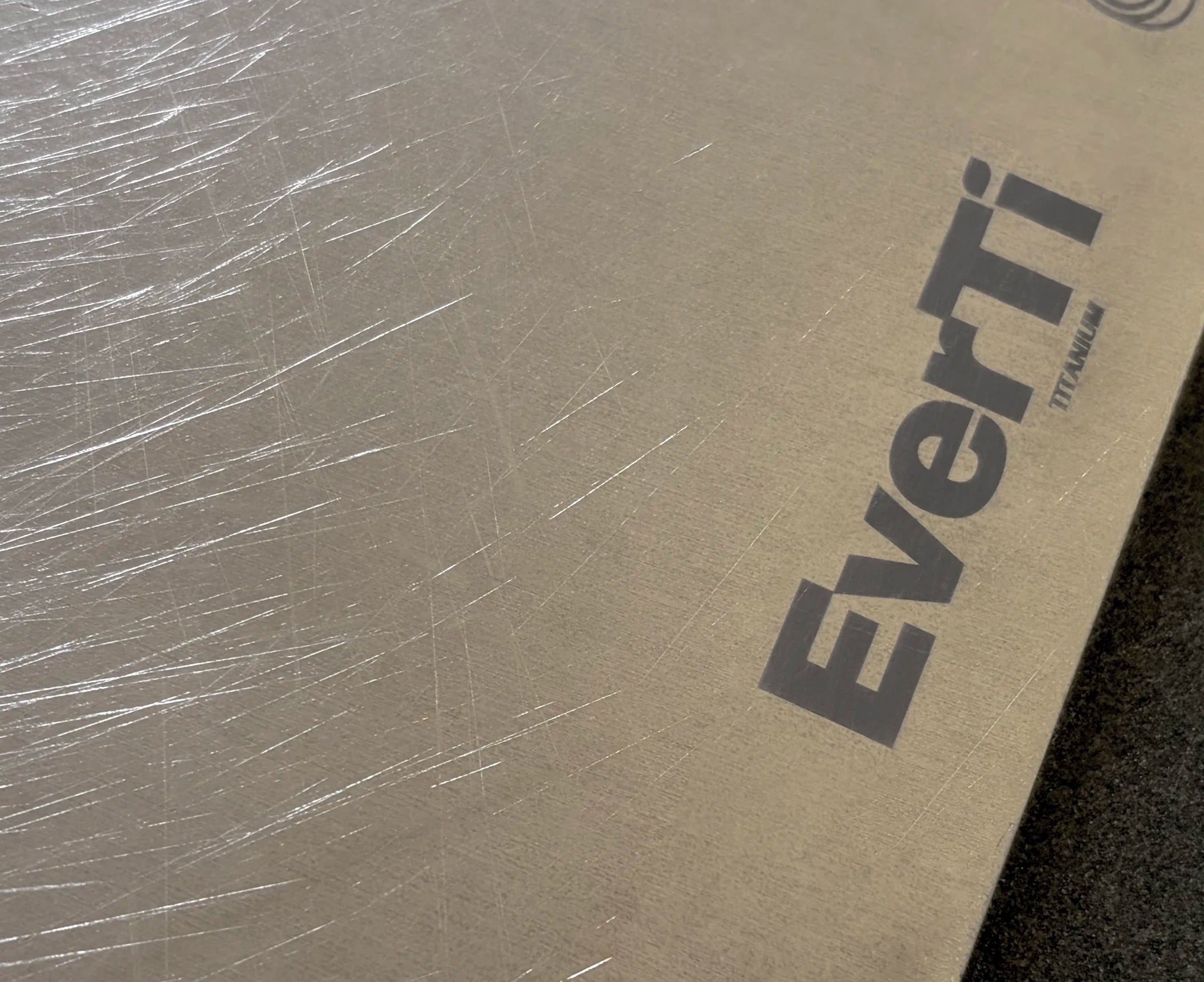
- Prone to Scratches and Grooves: Repeated knife use creates deep cuts that can trap food particles and bacteria if not cleaned properly.
- Can Dull Knives Faster: The harder surface wears down blade edges more quickly than softer wood or end-grain boards.
- Environmental and Health Concerns: Chopping on plastic Cutting Boards can release microplastics into your food, raising questions about long-term exposure. They also contribute to plastic waste and are not always recyclable.
- Heat Sensitivity: Low-quality boards may warp or melt if placed near hot pans or run through high-heat dishwasher cycles.
- Less Aesthetic Appeal: They often look more utilitarian than the warm, natural beauty of wooden Cutting Boards.
Proper maintenance—such as replacing boards when heavily scratched—helps mitigate many of these issues.
Pros and Cons Summary Table
For a quick overview, here's a clear comparison of plastic Cutting Boards:
| Aspect | Pros | Cons |
|---|---|---|
| Cost | Inexpensive and budget-friendly | N/A |
| Cleaning | Dishwasher-safe and easy to sanitize | Grooves from scratches can harbor bacteria |
| Weight & Storage | Lightweight and space-efficient | N/A |
| Knife Impact | N/A | Dulls knives faster than wood |
| Durability | Moisture-resistant, no warping | Can warp/melt in high heat; wears out over time |
| Environment | N/A | Microplastics in food + plastic waste concerns |
| Aesthetics | Color-coded options for safety | Less premium or stylish look |
This table highlights why many home cooks still reach for plastic Cutting Boards despite the trade-offs.
Final Thoughts on Plastic Cutting Boards
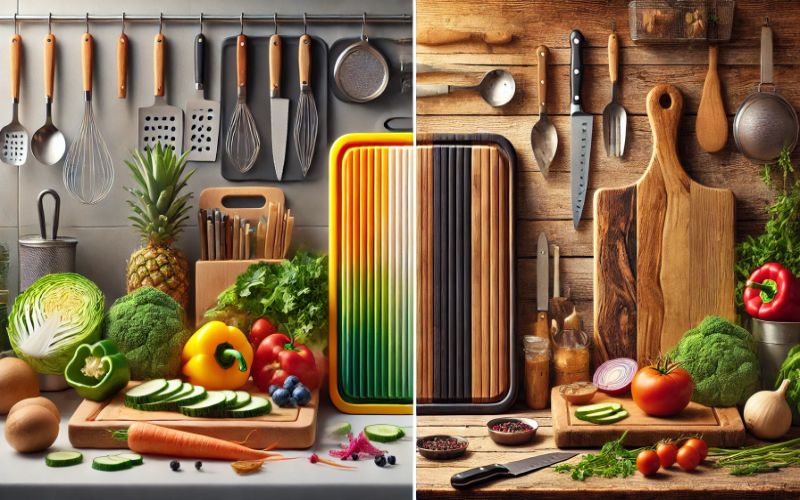
Plastic Cutting Boards excel in convenience, affordability, and hygiene when properly maintained—making them especially useful for raw meats or quick prep tasks. However, for heavy daily use or eco-conscious kitchens, you might prefer wooden or bamboo Cutting Boards for their knife-friendliness and natural appeal. The best choice depends on your priorities: speed and ease, or longevity and sustainability?
Whichever you pick, always clean your Cutting Boards thoroughly after each use and replace them when worn. What’s your go-to Cutting Board material? Share in the comments!
This post is for informational purposes only and not a substitute for professional kitchen safety advice.