





The Best Lubricants to Keep Your Scissors Snapping Smoothly
Do your office scissors feel stiff, sticky, or start making that annoying grinding sound when you cut through paper, tape, or envelopes? You're not alone. Everyday office scissors take a beating from frequent use, dust, paper fibers, and occasional adhesive residue. The good news? A few drops of the right lubricant can restore that satisfying "snap" and keep them cutting like new for months.
In this guide, we'll explore the top lubricants for office scissors, why proper lubrication matters, how to apply it correctly, and which options to avoid. Whether you're maintaining standard desk office scissors or higher-quality pairs, these tips will help extend their life and improve performance.
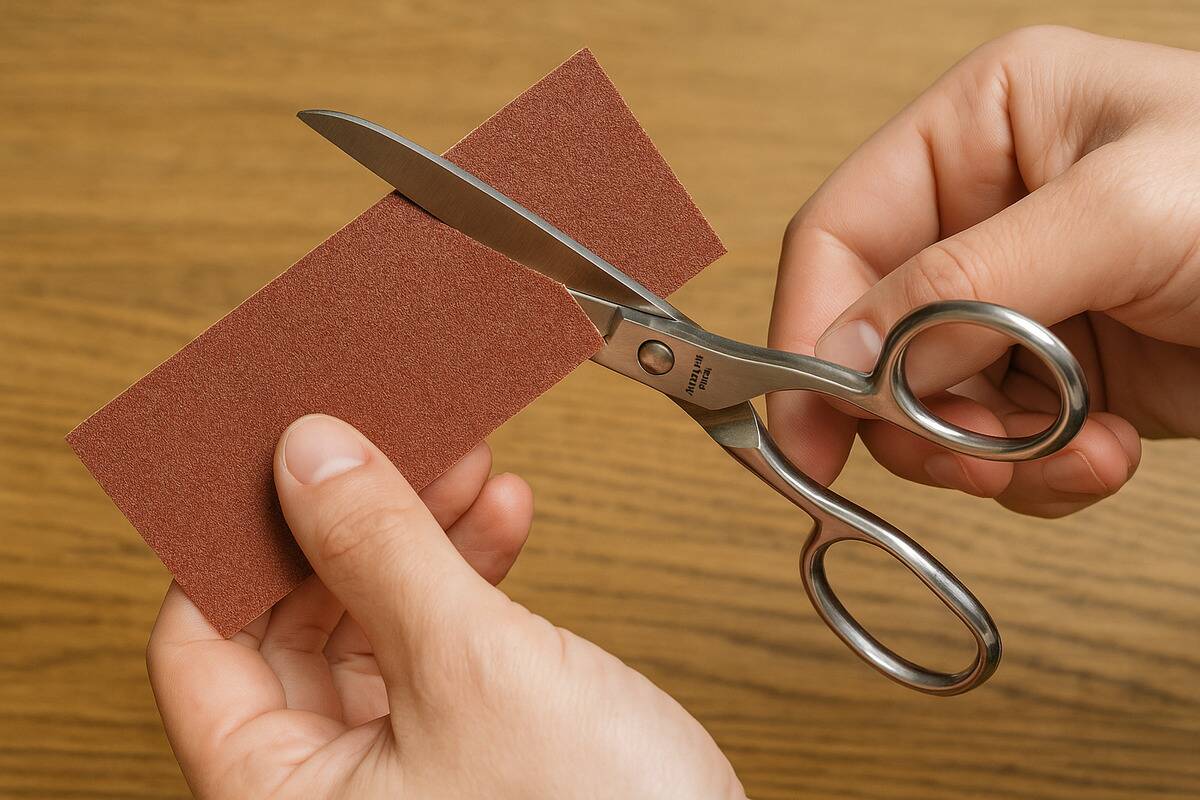
Sharp, smooth-cutting office scissors in action — the result of good maintenance and lubrication.
Why Lubricate Your Office Scissors?
The pivot point (the screw or rivet where the blades meet) is where friction happens. Over time, debris builds up, causing resistance, uneven cuts, and even rust. Lubrication reduces friction, prevents wear, repels some dust, and protects against corrosion.
Regular maintenance is especially important for office scissors used daily in busy workspaces. A quick oiling session takes less than two minutes but can dramatically improve cutting performance and comfort.
Top Recommended Lubricants for Scissors
Here are the best options, ranked by suitability for office scissors and general household use:
- Sewing Machine Oil / Household Machine Oil Light, clean, and widely available. It works excellently on the pivot without leaving heavy residue. Many crafters and office users swear by it for office scissors.
- Specialized Scissor Oil or Clipper Oil Designed specifically for shears and scissors. These are often clear, low-viscosity oils with needle-tip applicators for precision. Great for preventing rust while keeping action smooth.
- Camellia Oil Popular for high-end scissors (especially Japanese-style). It's natural, low-odor, and provides excellent lubrication with minimal gumming. A premium choice if your office scissors are frequently used.
- Food-Grade Mineral Oil Safe, odorless, and effective. Ideal if you occasionally use scissors in food-prep areas or want a non-toxic option.
- Wax-Based Scissor Lubricants (e.g., Wolff Scissors Lubricant) These clean as they lubricate. The alcohol base helps flush out debris before the wax provides long-lasting, non-greasy protection. Excellent for heavily used office scissors.
- WD-40 Specialist (or similar multi-purpose sprays) Use sparingly as a quick fix for squeaky pivots. It's better as a cleaner/penetrant than a long-term lubricant — wipe thoroughly after use.

Precision dropper bottles of clipper/scissor oil — perfect for targeted application on the pivot point of office scissors.
Avoid these common mistakes:
- Cooking oils (olive, coconut, vegetable) — they can turn sticky or rancid over time.
- Heavy motor oils or grease — too thick and attract more dust.
- Regular WD-40 (original) — better for loosening than sustained lubrication.
How to Lubricate Your Office Scissors (Step-by-Step)
- Clean first — Wipe blades and pivot with a dry cloth or alcohol wipe to remove paper dust and residue.
- Open wide — Spread the blades fully to access the pivot screw.
- Apply lubricant — Place 1–2 small drops directly on the pivot point (and both sides of the screw if accessible). Use a needle-tip bottle for precision.
- Work it in — Open and close the scissors 20–30 times to distribute the oil evenly.
- Wipe excess — Use a clean, dry cloth to remove any oil from the blades. Test-cut on scrap paper.
- Optional protection — For long-term storage, apply a very thin coat of oil to the blades and wipe off before next use.
Repeat every 1–2 months for daily-use office scissors, or whenever cutting feels resistant.

Demonstrating proper handling and maintenance of scissors — keep that pivot point happy!
Comparison Table: Best Lubricants for Office Scissors
| Lubricant Type | Best For | Pros | Cons | Frequency of Use | Price Range |
|---|---|---|---|---|---|
| Sewing Machine Oil | Everyday office scissors | Cheap, widely available, light | Can attract light dust if over-applied | Every 4–8 weeks | Low |
| Clipper/Scissor Oil | Precision tools | Needle applicator, rust protection | Slightly more expensive | Every 4–6 weeks | Medium |
| Camellia Oil | High-quality shears | Natural, smooth, low odor | Premium pricing | Every 6–8 weeks | Medium-High |
| Food-Grade Mineral Oil | Versatile/home use | Safe, odorless, multi-purpose | Less specialized | Every 4–8 weeks | Low |
| Wax-Based (e.g. Wolff) | Heavy debris environments | Cleans + lubricates, non-greasy | May need reapplication sooner | Every 3–6 weeks | Medium |
| WD-40 Specialist | Quick emergency fix | Penetrates well | Not ideal for long-term | As needed | Low-Medium |
This table helps you choose based on your office scissors usage and budget.
Pro Tips for Longer-Lasting Office Scissors
- Store office scissors in a dry place to prevent rust.
- Avoid cutting tape, plastic, or cardboard with your best pairs — reserve those for utility scissors.
- Combine lubrication with occasional sharpening (using sandpaper or a dedicated sharpener) for optimal results.
- If your office scissors have adjustable tension, check and tighten the pivot screw periodically.

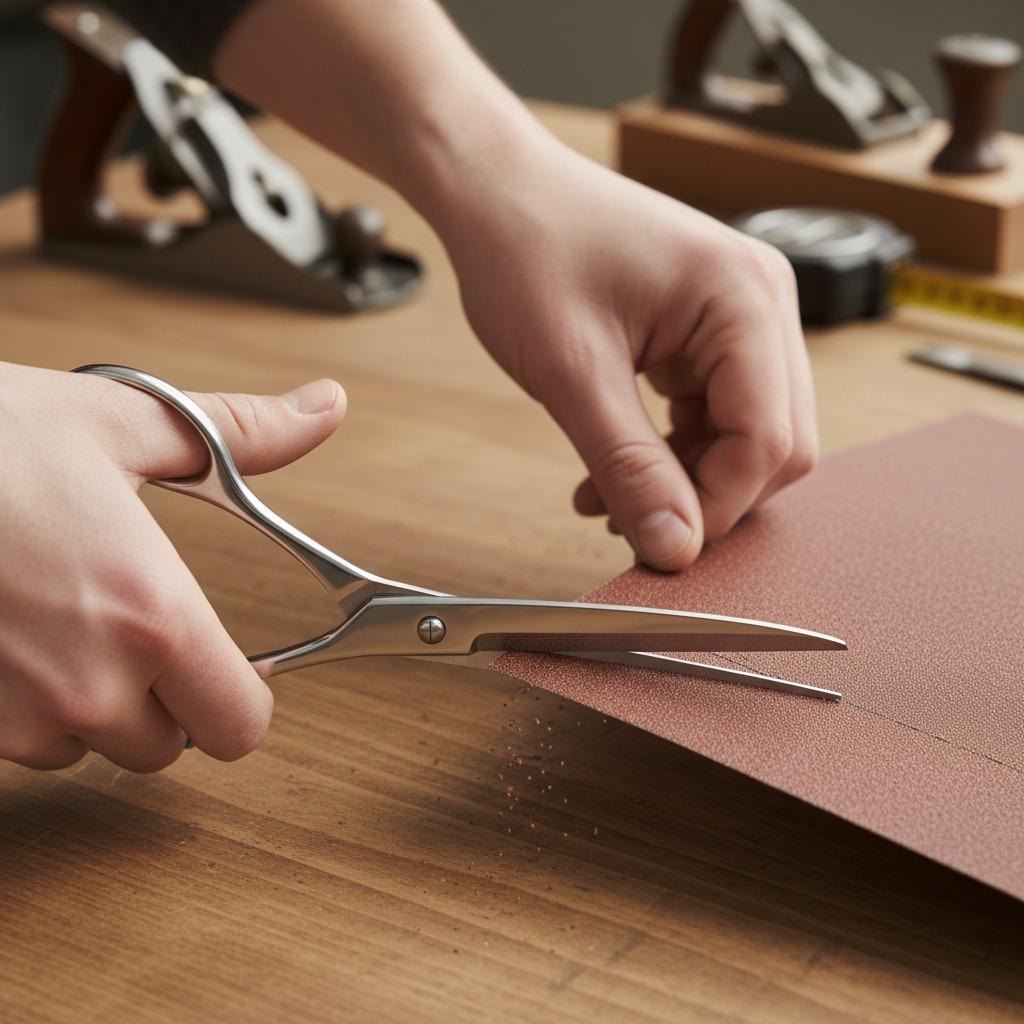
General tool lubrication in action — the same principles apply to keeping your office scissors smooth.
With the right lubricant and a simple routine, your office scissors will stay sharp, smooth, and reliable. Say goodbye to frustrating snags and hello to effortless cutting!
Have you tried any of these lubricants on your office scissors? Share your experiences in the comments below.