





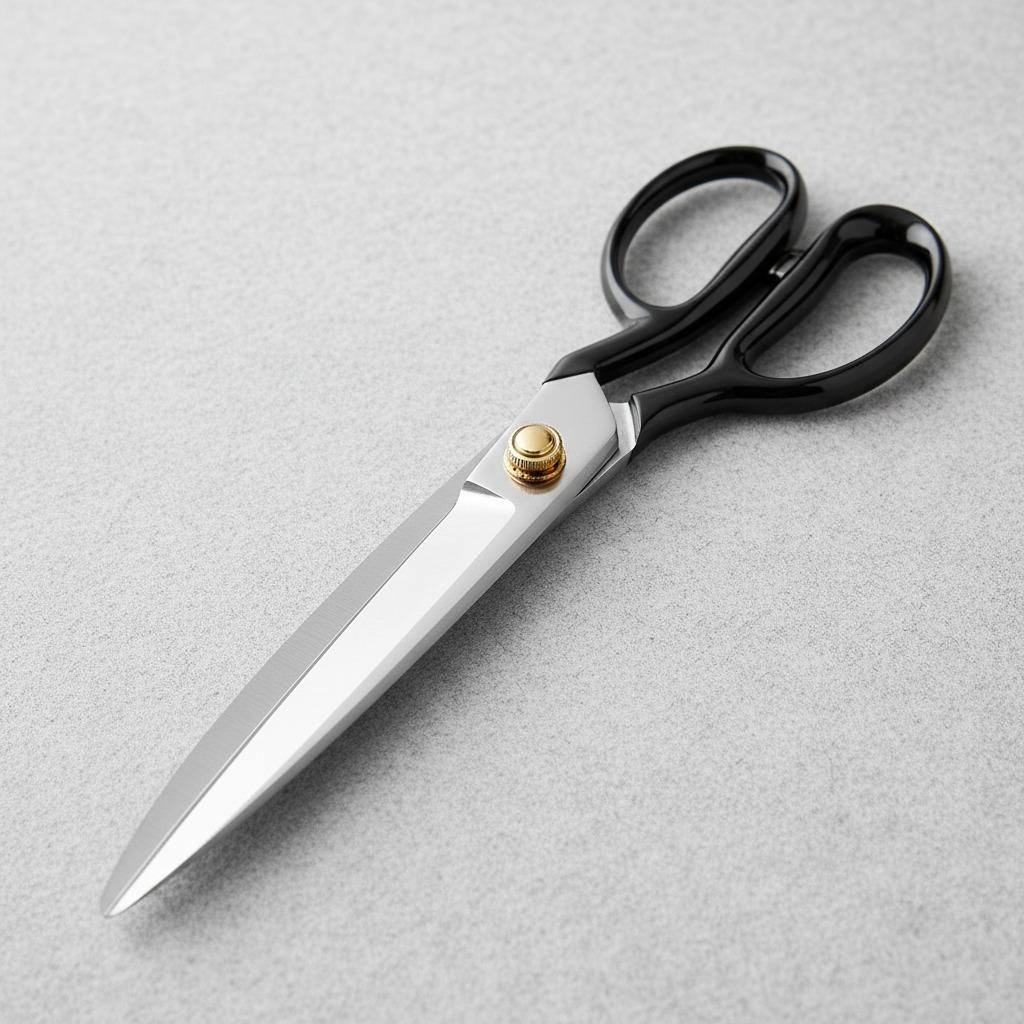

The Anatomy of a Tailor Shear: Understanding Every Part
Tailor scissors—also known as tailor shears—are the unsung heroes of every sewing room, workshop, and professional tailoring studio. These heavy-duty tools are specifically engineered for cutting fabric with precision, speed, and minimal fatigue. Unlike ordinary household scissors, tailor shears feature longer blades, sharper edges, and an ergonomic offset handle design that allows the blades to lie flat against the cutting table. Whether you’re a beginner sewist or a seasoned designer, understanding the anatomy of a tailor shear will help you choose the right pair, maintain it properly, and cut like a pro.
In this guide, we’ll break down every component of a tailor shear, explain its function, and show how the parts work together for flawless fabric cutting.
Why Tailor Scissors Matter
Tailor scissors are built for high-volume, straight-line cutting through multiple layers of fabric, leather, or even upholstery. Their design prevents hand strain during long sessions and ensures clean edges without fraying. The keyword “tailor scissors” is often used interchangeably with “tailor shears,” but both refer to the same professional-grade tool.

The Main Parts of a Tailor Shear
Here’s a clear overview in table form for quick reference:
| Part | Description | Function |
|---|---|---|
| Tips / Points | Sharp, tapered ends of the blades | Enable precise piercing and detailed cuts |
| Blades | Long, wide metal sections (typically 8–12 inches) | Provide leverage and length for straight cuts |
| Cutting Edges | Inner sharpened edges of the blades | Deliver the actual slicing action |
| Pivot Screw | Central screw or bolt that joins the two halves | Allows smooth opening and closing |
| Shank | Section between the pivot and the handles | Transfers force from hand to blades |
| Handles / Bows | Two looped grips (one for thumb, one for fingers) | Offer ergonomic control; often offset for flat cutting |
| Finger Rest | Small protruding ledge on the lower handle | Provides extra stability and reduces fatigue |
This table highlights how each part of a tailor shear contributes to performance. Professional models are usually forged from high-carbon steel or stainless steel for durability and edge retention.
Detailed Breakdown of Every Part
1. Tips / Points The pointed tips are your entry point for accurate work. They allow you to start cuts exactly where needed and navigate tight curves or corners without leaving jagged edges. In quality tailor scissors, the tips are finely honed and aligned perfectly.
2. Blades The blades are the longest part of the tool—often 9 to 12 inches or more. This length gives you the power to cut long seams in one smooth motion. Tailor shears typically have one straight blade and one slightly curved or offset for better fabric contact.
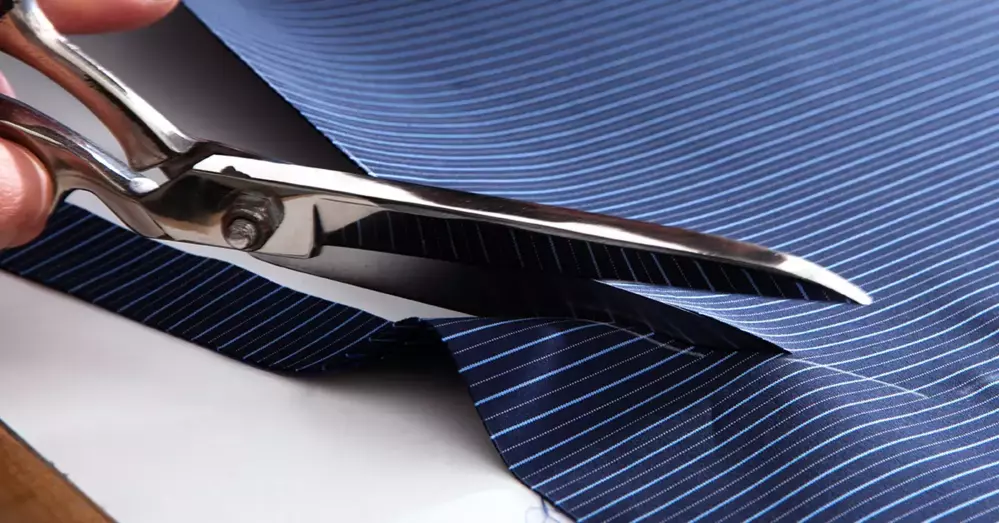
3. Cutting Edges The real magic happens here. The inner edges are precision-ground to create a razor-sharp bite. Many high-end tailor scissors feature micro-serrated or beveled edges that grip fabric without slipping. Keep them clean and oil the pivot regularly to maintain peak performance.
4. Pivot Screw Also called the fulcrum, this is the heart of the shear. A high-quality screw (often adjustable) ensures the blades stay aligned and move with minimal effort. Loose pivots cause poor cutting; overtightened ones make the tool stiff.
5. Shank The shank connects the cutting blades to the handles. It’s engineered to amplify the force from your hand, making it easier to cut through thick materials. In tailor scissors, the shank is robust and balanced for all-day use.
6. Handles / Bows & Offset Design The handles (or “bows”) are where comfort meets control. Tailor shears are famous for their offset handle—the lower bow is bent so your hand stays above the fabric while the blades rest flat on the table. This prevents lifting or twisting the material, resulting in straighter cuts. One bow is sized for the thumb, the other for two or three fingers.
7. Finger Rest Many professional tailor scissors include a small finger rest (or “tang”) on the lower handle. It gives your pinky or ring finger extra support, reducing cramping during marathon cutting sessions.
Caring for Your Tailor Scissors
To keep your tailor shears performing at their best:
- Clean blades after every use
- Oil the pivot screw monthly
- Sharpen edges professionally when they dull
- Store in a dry place to prevent rust
Understanding these parts turns a simple tool into an extension of your hand. Whether you’re hemming a gown or crafting a quilt, the right knowledge about tailor scissors makes all the difference.
Ready to upgrade your sewing kit? Look for tailor shears with forged steel blades, adjustable pivots, and that signature offset handle. Your fabric will thank you!
Happy sewing! ✂️