






Teaching Kids How to Use Safety Scissors Correctly
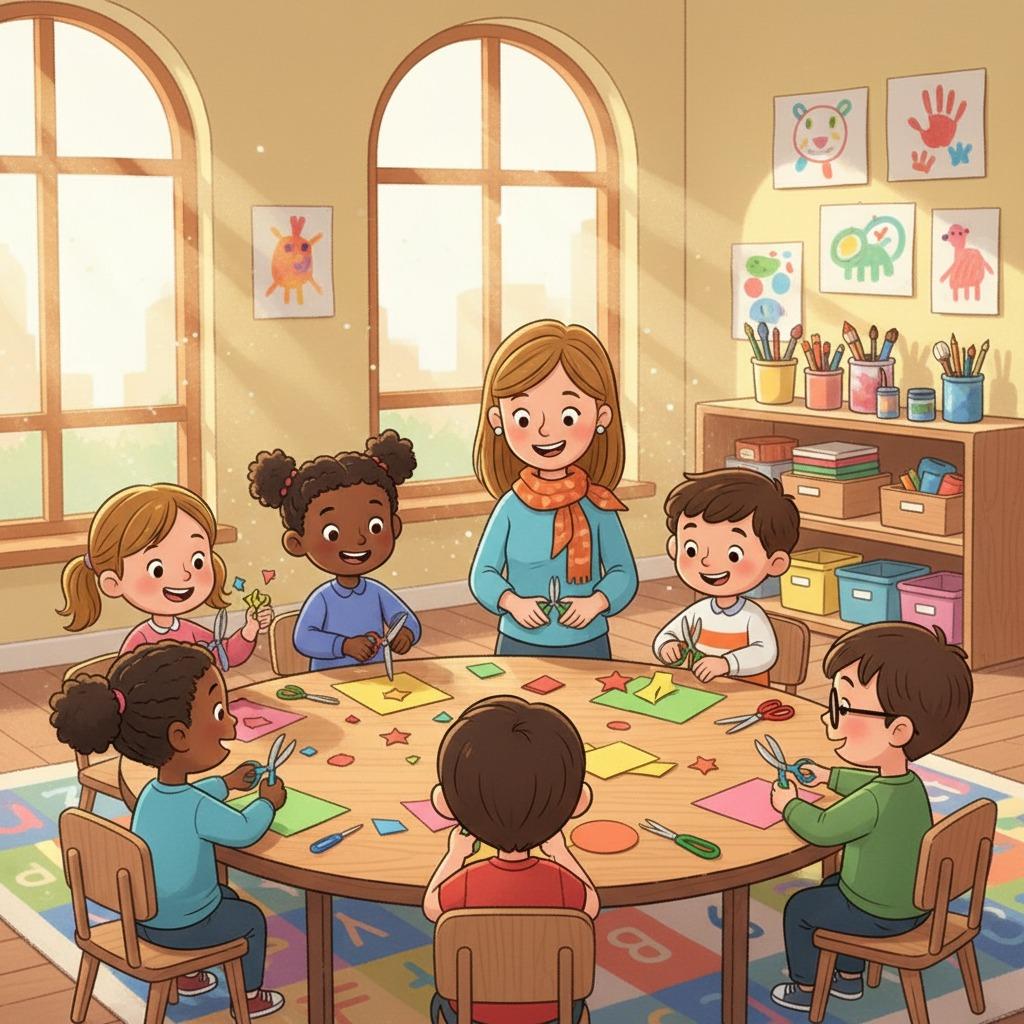
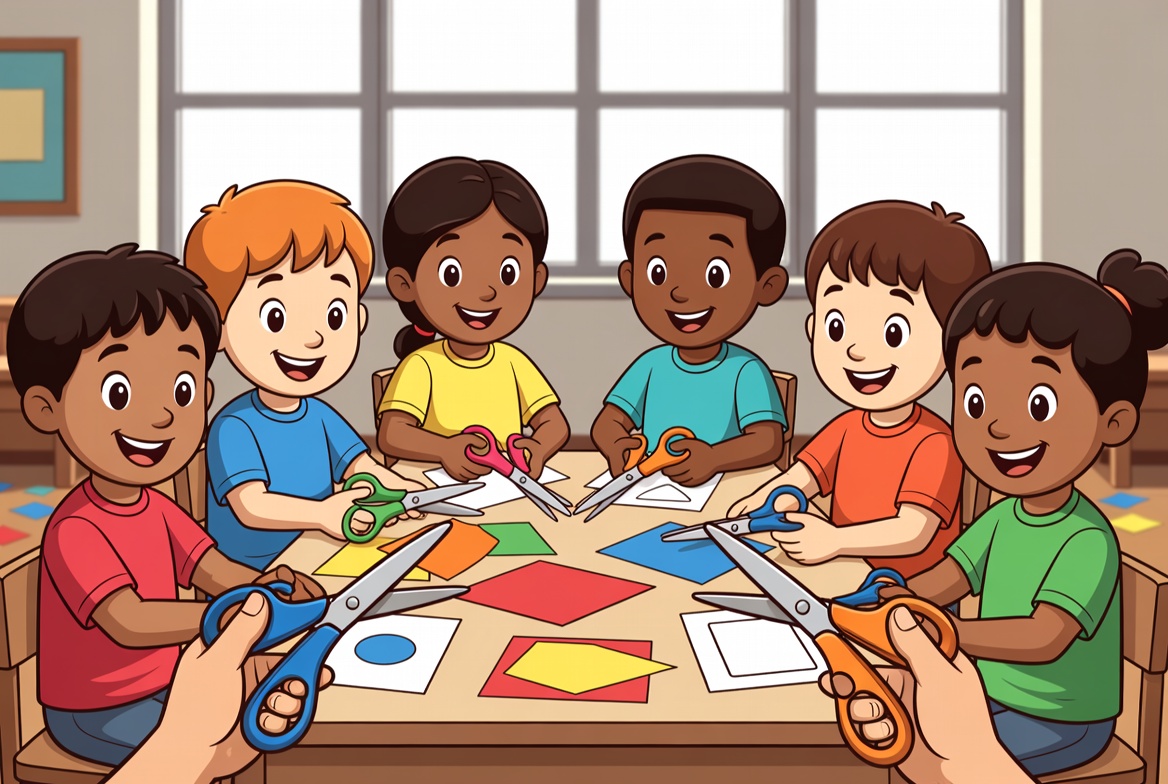
Welcome to this practical guide for parents, teachers, and caregivers! Helping children master scissor skills is a wonderful way to boost their fine motor development, creativity, and confidence. But safety must always come first. In this post, we’ll walk you through everything you need to know — from choosing the right tools to step-by-step instructions and fun activities. By the end, your kids will be cutting paper like pros — safely!
Why Safety Scissors Matter (and Why Office Scissors Don’t)
Young children are naturally curious and eager to create, but their coordination is still developing. Using the wrong scissors can lead to accidents. That’s why safety scissors are specially designed with blunt tips, rounded edges, and easy-grip handles.
Unlike office scissors, which feature sharp metal blades and pointed tips meant for precise adult tasks like cutting documents or packaging, safety scissors minimize injury risk. Office scissors are not suitable for kids under 10–12 years old because they can easily cause cuts. Always supervise and choose age-appropriate tools!

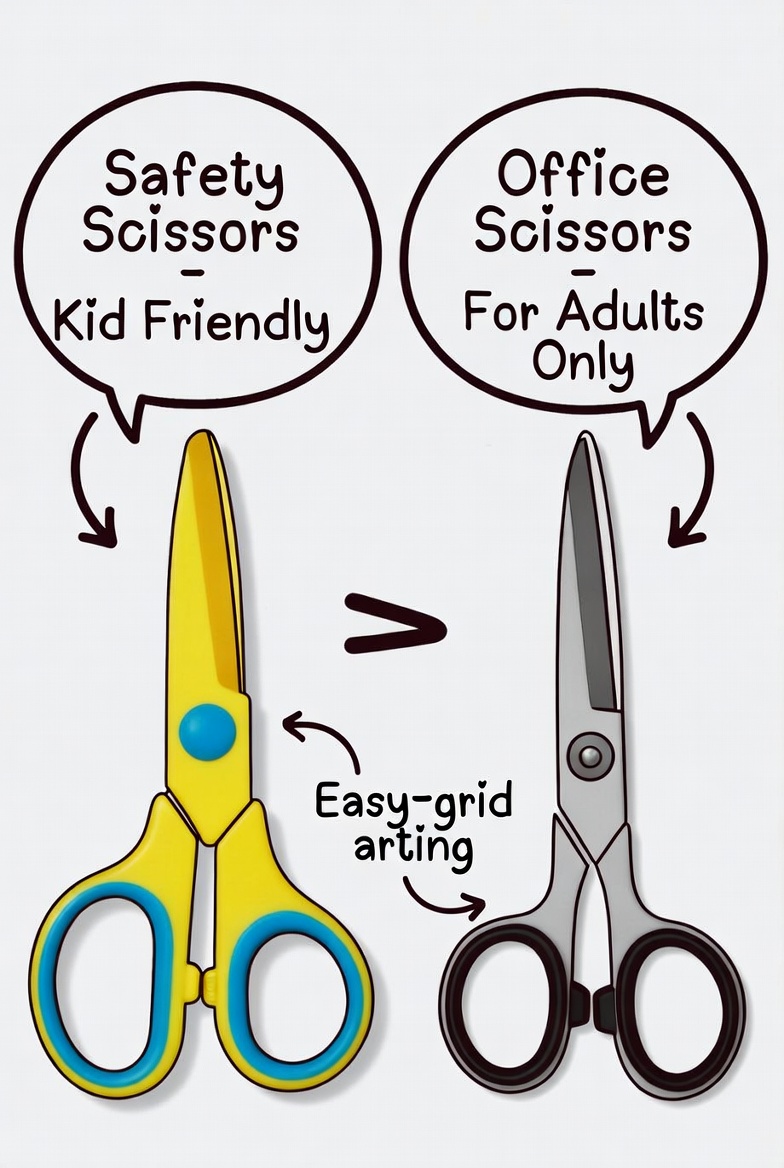
Here’s a simple comparison table to help you choose:
| Feature | Safety Scissors | Office Scissors |
|---|---|---|
| Blade Type | Blunt, rounded tips | Sharp, pointed tips |
| Material | Plastic or child-safe metal | Stainless steel |
| Grip | Large, easy-to-hold handles | Smaller, adult-sized handles |
| Age Recommendation | 3 years and up (with supervision) | 12+ or adults only |
| Best For | Paper crafts, school projects | Office tasks, precise adult cutting |
| Safety Level | High | Low for children |
Step-by-Step: How to Teach Kids Proper Scissor Use
Follow these simple steps to build good habits from day one.
- Choose the right pair — Pick safety scissors that fit your child’s hand comfortably.
- Teach the correct grip — Insert thumb into the larger hole and index + middle fingers into the smaller hole. Rest the ring finger outside for support.
- Position the paper — Hold the paper in the non-dominant hand and keep elbows close to the body.
- Cut slowly and steadily — Open and close the blades in small, controlled movements. Start with straight lines before moving to curves.
- Practice on scrap paper — Begin with thick construction paper for easier cutting.

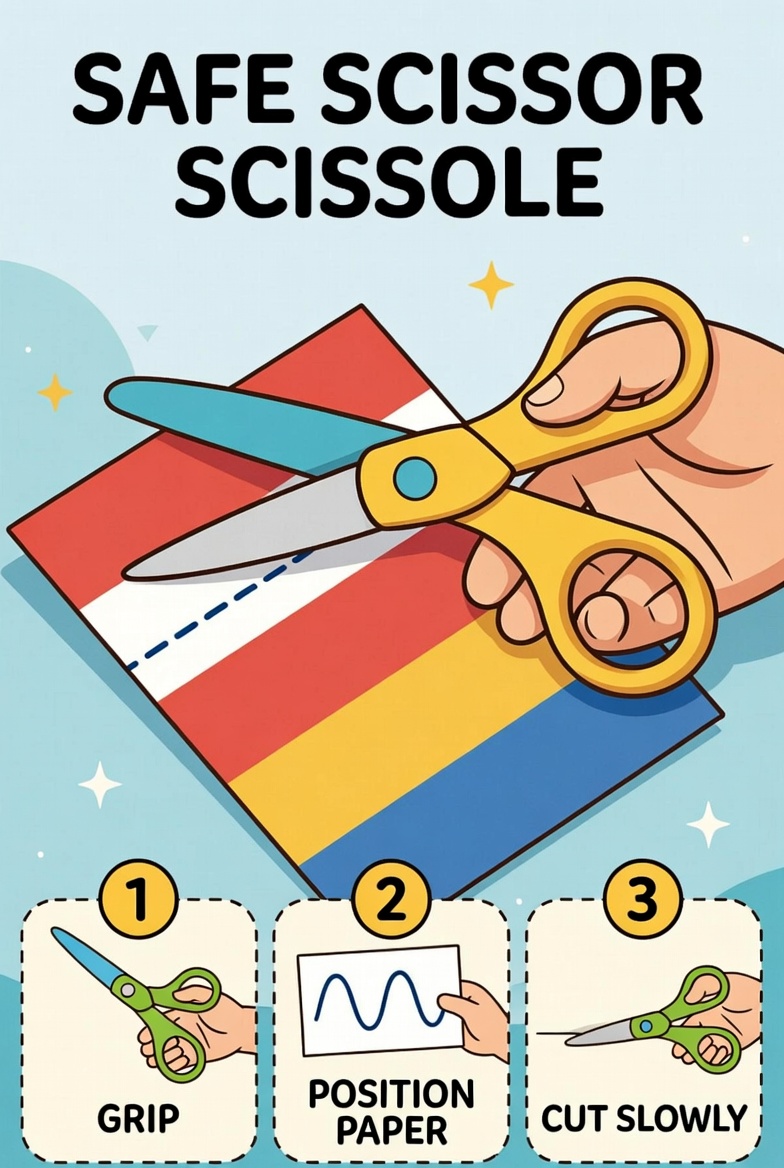
Pro Tip: Model the technique yourself first — kids learn best by watching!
Safety Rules at a Glance
Keep these golden rules handy (print them out for your craft corner!):
- Always cut away from your body and others.
- Never run or walk while holding scissors.
- Use scissors only for paper — never on hair, clothes, or skin.
- Put scissors away safely when finished (pointed ends down in a holder).
- Stop immediately if the blades feel stuck or uncomfortable.
Fun Activities to Practice Scissor Skills
Turn learning into playtime!
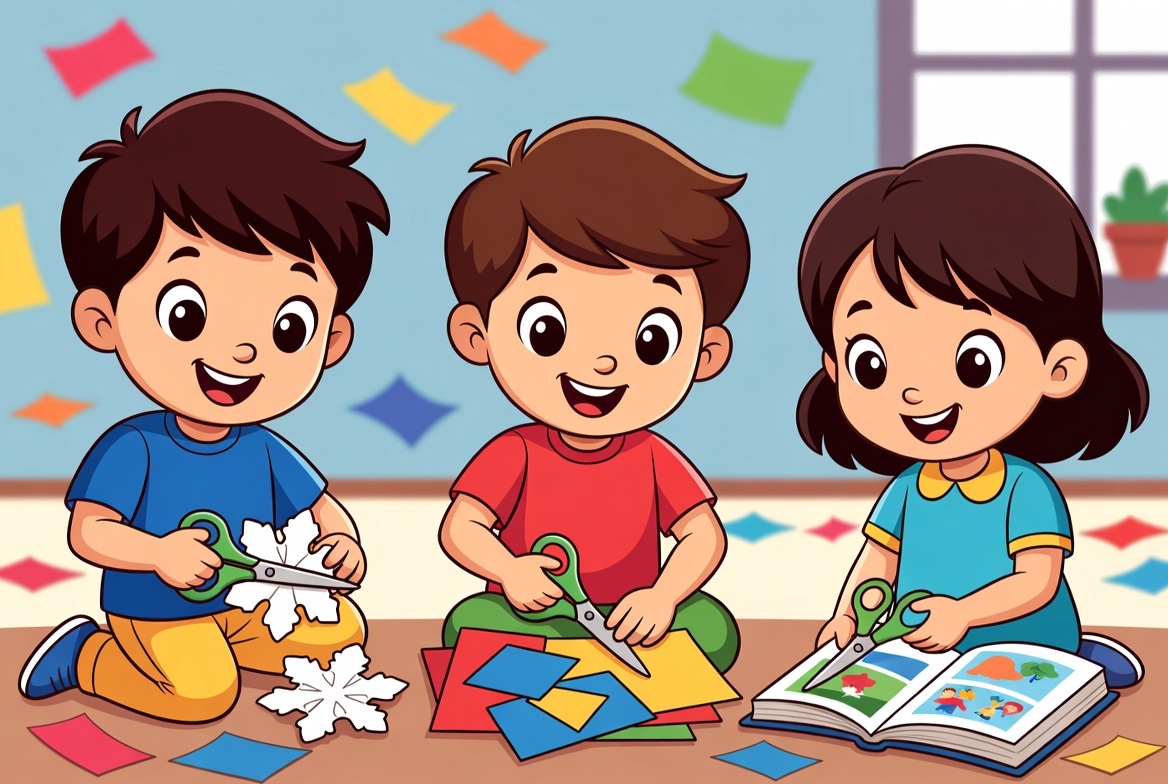
- Snowflake making — Fold paper and create winter wonders.
- Shape collage — Cut out circles, triangles, and squares to build pictures.
- Story sequencing — Cut comic strips and rearrange the panels.
These activities reinforce the correct use of safety scissors while sparking imagination.

Final Thoughts
Teaching kids how to use safety scissors correctly is an investment in their safety and creativity. With the right tools (and by avoiding office scissors for little ones), consistent practice, and plenty of supervision, your children will gain a valuable lifelong skill. Remember: patience and praise go a long way!
Have you tried any of these tips with your kids? Share your experiences in the comments below. Happy crafting — safely!