





Precision vs. Heavy-Duty: Matching Scissors to Your Project
Choosing the right scissors can make or break your crafting, DIY, or office project. Whether you're trimming delicate paper patterns or slicing through thick cardboard, the wrong pair leads to frustration, jagged edges, and wasted time. In this guide, we break down precision scissors versus heavy-duty scissors to help you match the tool to the task. We'll also touch on everyday options like the classic office scissor for quick reference.

What Are Precision Scissors?
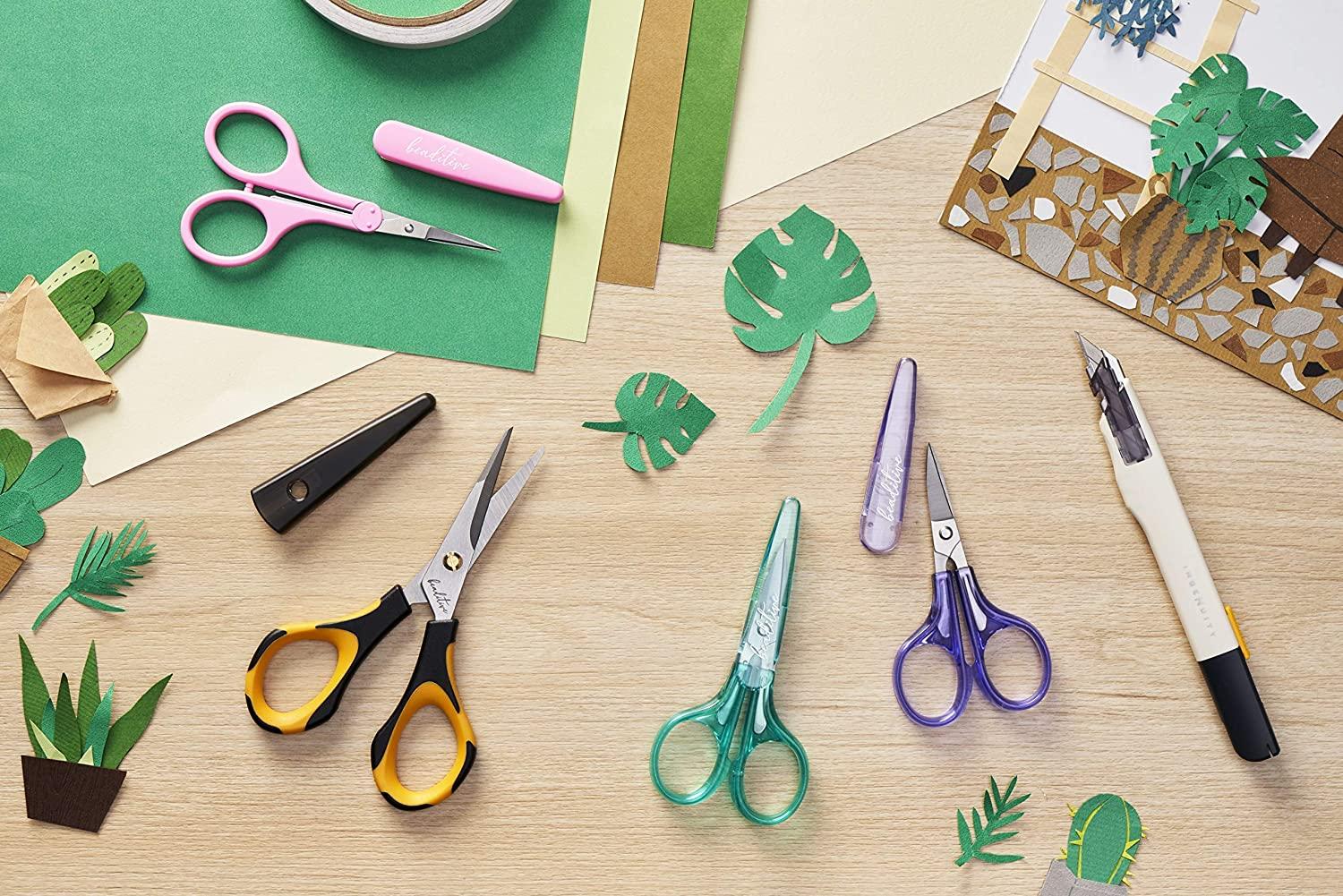
Precision scissors are designed for fine, detailed work. They feature short blades (usually 4–6 inches), ultra-sharp pointed tips, and lightweight handles for maximum control. These tools excel at intricate cuts where accuracy matters most.
- Ideal for: Paper crafting, scrapbooking, sewing delicate fabrics, embroidery, and model making.
- Why they shine: Clean, crisp cuts without tearing or slipping. The fine tips let you snip right into tight corners or curves.
If you're working on a detailed project like cutting out tiny shapes or trimming thread, precision scissors are your best friend.

What Are Heavy-Duty Scissors?
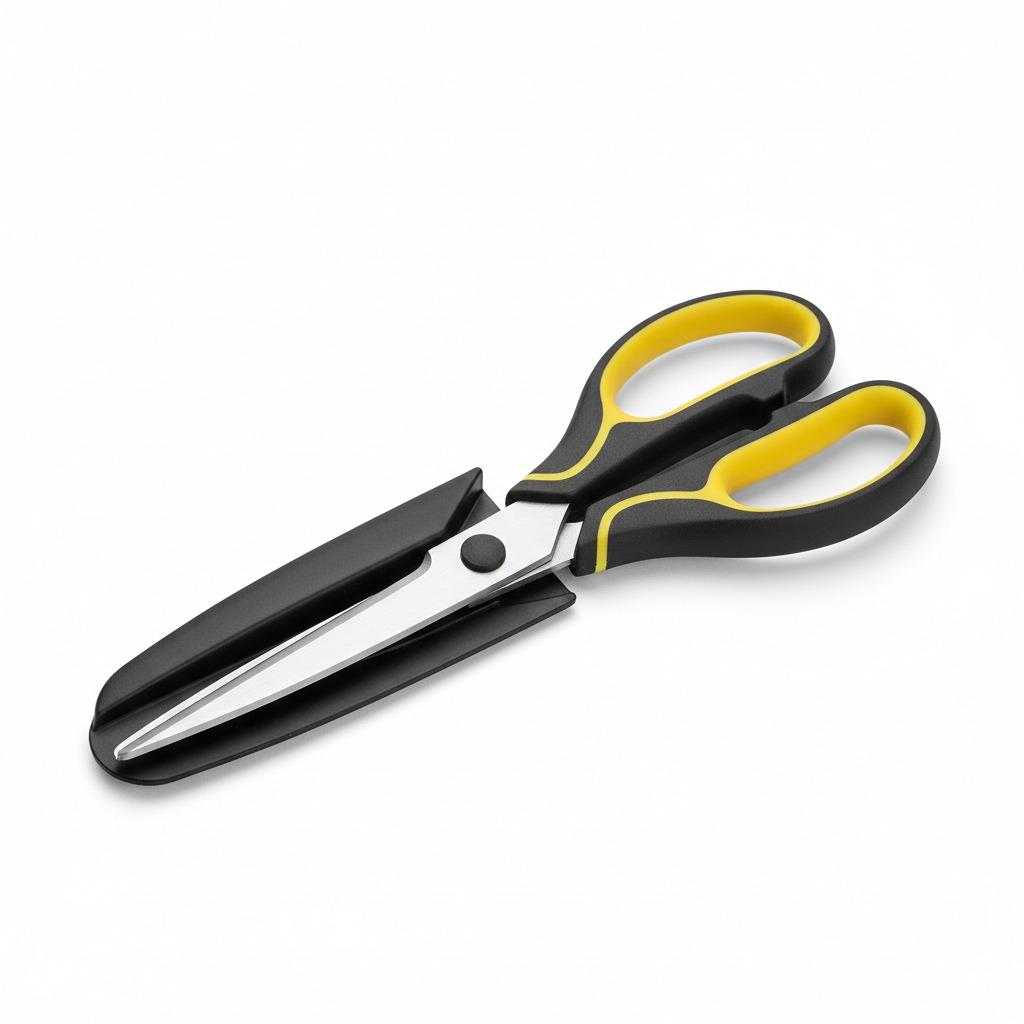
Heavy-duty scissors are built tough for demanding jobs. They have longer, thicker blades (often 7–10+ inches), reinforced construction, and ergonomic grips that handle resistance. Many include serrated edges or high-carbon steel for extra power.
- Ideal for: Cutting cardboard, fabric bolts, rope, plastic sheeting, or multiple layers of material.
- Why they shine: They power through thick or tough substances without dulling quickly or requiring excessive force.
These are the go-to when your project involves raw strength rather than pinpoint accuracy.

Precision vs. Heavy-Duty: Side-by-Side Comparison
Here's a quick table to highlight the key differences:
| Feature | Precision Scissors | Heavy-Duty Scissors |
|---|---|---|
| Blade Length | Short (4–6 inches) | Long (7–10+ inches) |
| Tip Style | Fine, pointed | Blunt or slightly rounded |
| Weight & Grip | Lightweight, ergonomic for control | Heavier, reinforced handles for power |
| Best Materials | Paper, thin fabric, thread, foil | Cardboard, thick fabric, rope, plastic |
| Best Projects | Crafting, scrapbooking, detailed sewing | Packaging, upholstery, industrial DIY |
| Durability | Excellent for light use; may dull on thick stuff | Built to last on tough jobs |
| Price Range | $5–$15 | $10–$30 |
This table makes it easy to see why one size (or style) does not fit all.
Matching Scissors to Your Project
- Office or everyday tasks: Grab a standard office scissor for quick paper cuts, envelope opening, or coupon clipping. It's the versatile middle ground—neither too delicate nor overly bulky.

- Crafting & creativity: Go precision. Those tiny details in your scrapbook or handmade cards deserve sharp, controlled cuts.
- Tough DIY jobs: Choose heavy-duty. Cutting shipping boxes, trimming carpet samples, or prepping fabric for sewing? These won't let you down.

Pro tip: Always keep both types in your toolkit (plus one reliable office scissor for the desk). Clean blades after each use and store them properly to maintain sharpness.
Final Thoughts
The right scissors turn a frustrating project into a smooth, satisfying one. Precision for finesse, heavy-duty for strength—and don't overlook the trusty office scissor for those in-between moments. Next time you're at the craft store or shopping online, remember: match the tool to the job, and your results will speak for themselves.
Happy cutting! ✂️ If you have a favorite scissor story or project, drop it in the comments below.