





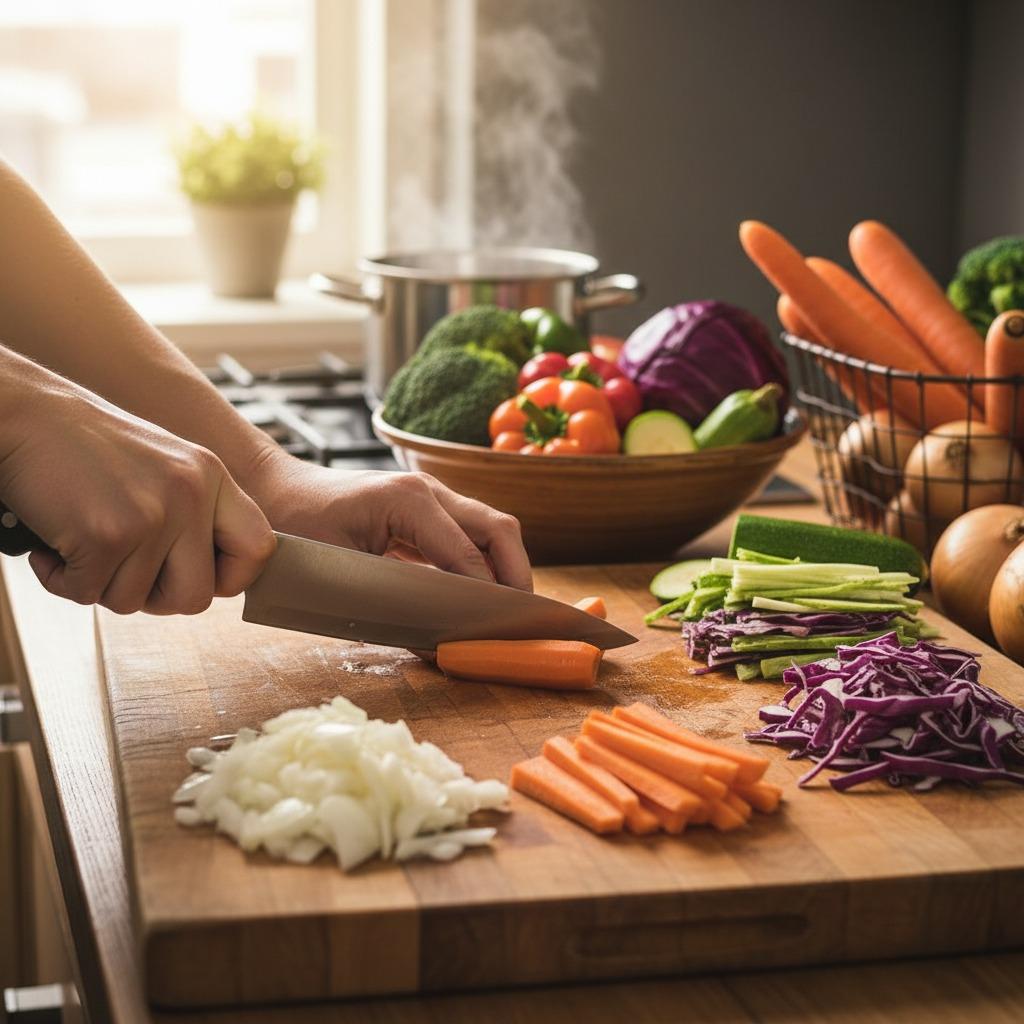
Nakiri: The Vegetable Specialist You Didn't Know You Needed Master the kitchen knife that's transforming how home cooks and pros prep vegetables.
If your daily vegetable chopping feels like a chore—crushed tomatoes, uneven slices, or tired wrists—you might be missing the perfect kitchen knife for the job. Enter the Nakiri (菜切り包丁, nakiri bōchō), the traditional Japanese vegetable knife designed specifically as a "leaf cutter" or "vegetable cutter." Its straight edge and tall, thin blade make it a game-changer for precise, effortless prep of everything from delicate herbs to tough root vegetables.
What Is a Nakiri Knife?
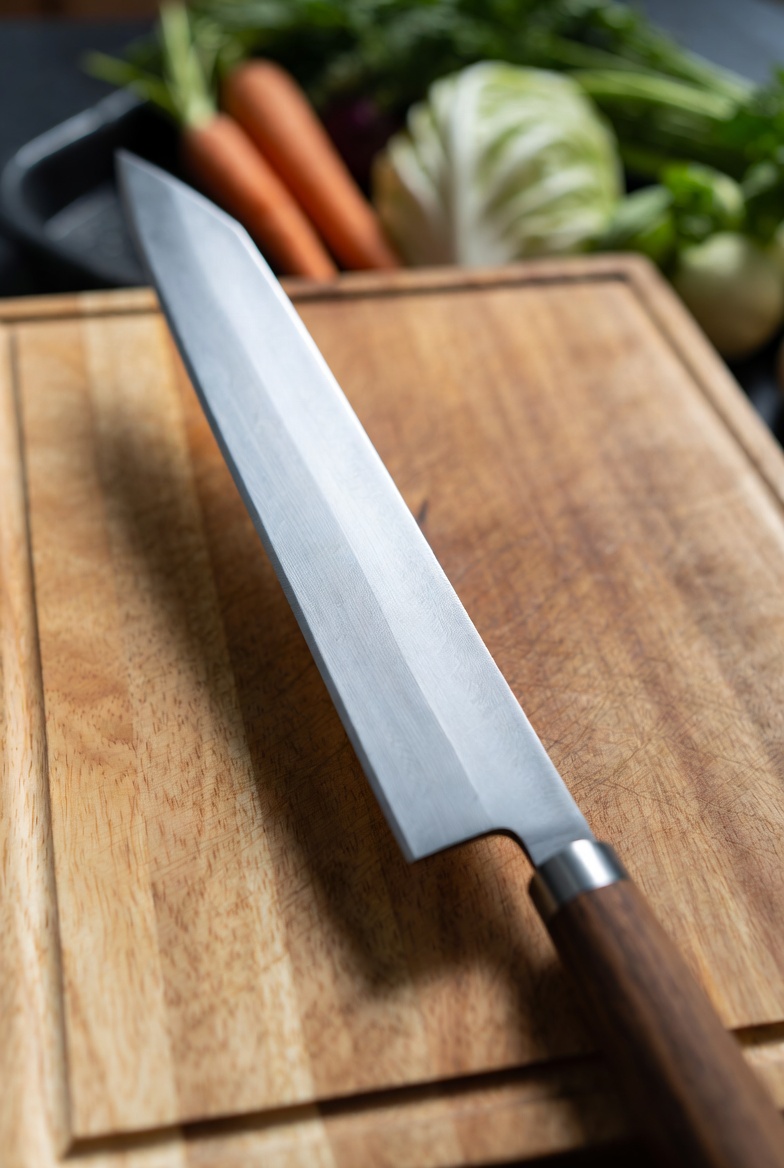
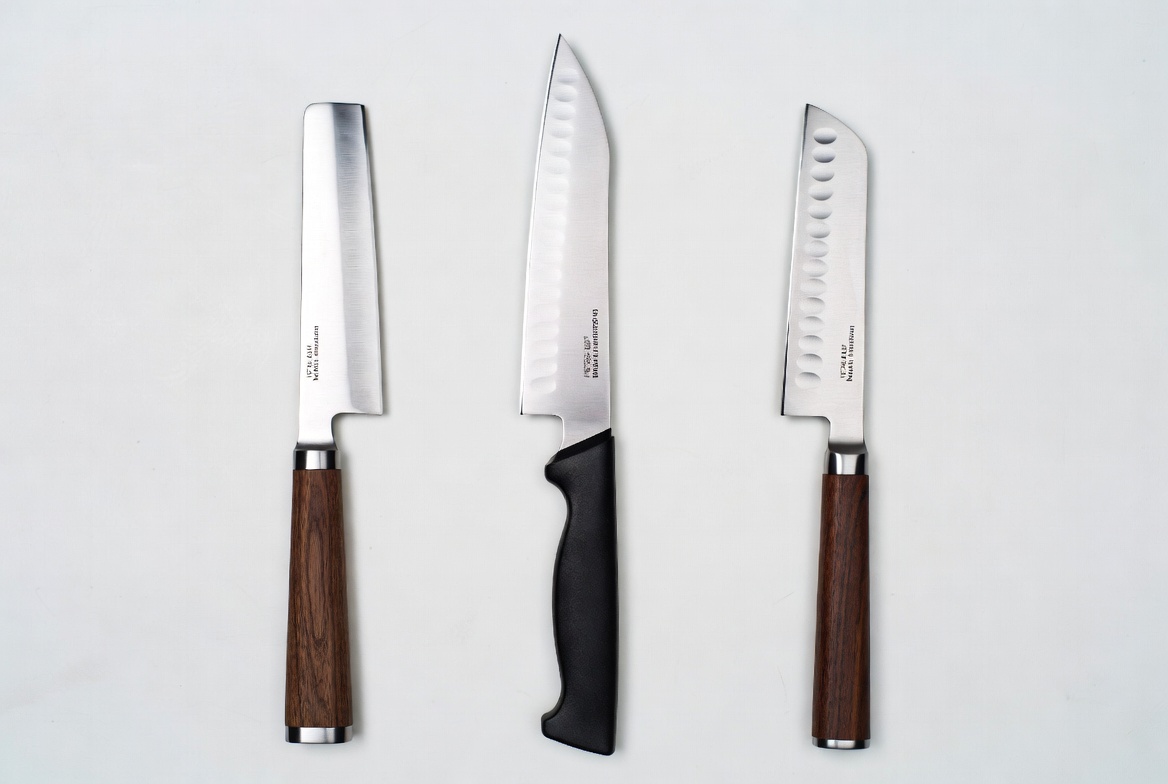
The Nakiri is a specialized kitchen knife with a rectangular, straight-edged blade and a blunt or slightly rounded tip. Unlike the curved Western chef's knife (gyuto) that rocks back and forth, the Nakiri excels at push-cutting or straight up-and-down chopping. The blade is typically 165–180mm (about 6.5–7 inches) long and quite tall (around 50–60mm high), giving you plenty of knuckle clearance and a wide surface for scooping up chopped veggies.
Key features:
- Straight edge: Allows full contact with the cutting board for clean, consistent slices without "accordion" effects.
- Thin, lightweight blade: Minimizes cell damage in vegetables, preserving flavor, texture, and nutrients.
- Double-bevel edge (usually 50/50): Easy for right- and left-handed users; sharpens straightforwardly.
- Blunt tip: Safer for home cooks and great for push-cutting techniques.
Historically, Nakiri knives trace back to Japan's Edo period, when vegetable-heavy diets called for specialized tools. Traditional blacksmiths (who also forged katanas) crafted them for precision work on greens, roots, and more. Today, both traditional carbon steel and modern stainless/Damascus versions are popular.

Why You Need a Nakiri in Your Kitchen Knife Collection
Most home cooks rely on a single chef's knife for everything, but a dedicated vegetable kitchen knife like the Nakiri offers clear advantages:
- Precision and speed: The flat edge glides through Napa cabbage, carrots, onions, and herbs with minimal effort—no rocking required.
- Better texture: Less crushing means vegetables stay crisp and release less water.
- Safety and comfort: Tall blade keeps knuckles safe; push-cut motion reduces wrist strain.
- Versatility within veggies: Ideal for julienne, brunoise, paper-thin garnishes, shredding, and even light herb mincing.
- Food release: Many models have a slight curve or dimples that help food fall away cleanly.
Compared to a standard chef's knife, the Nakiri is less versatile for meat or heavy tasks but superior for pure vegetable work. If you prep fresh produce several times a week, it will noticeably speed up and improve your cooking.
Nakiri vs. Other Popular Kitchen Knives
Here's a quick comparison table:
| Knife Type | Blade Shape | Best For | Cutting Motion | Vegetable Performance | Versatility |
|---|---|---|---|---|---|
| Nakiri | Straight, tall, rectangular | Vegetables, herbs, precise cuts | Push / straight chop | Excellent | Medium (veggie-focused) |
| Chef's (Gyuto) | Curved | Meat, veggies, general use | Rocking chop | Good | High |
| Santoku | Shorter, flatter | Vegetables, fish, light meat | Push or chop | Very Good | High |
| Usuba | Straight, single-bevel | Ultra-precise veggie garnishes | Push cut | Elite (pro level) | Low |
The Nakiri shines when you want dedicated vegetable mastery without the learning curve of single-bevel usuba knives.

How to Use a Nakiri Knife Effectively
Mastering the Nakiri is straightforward:
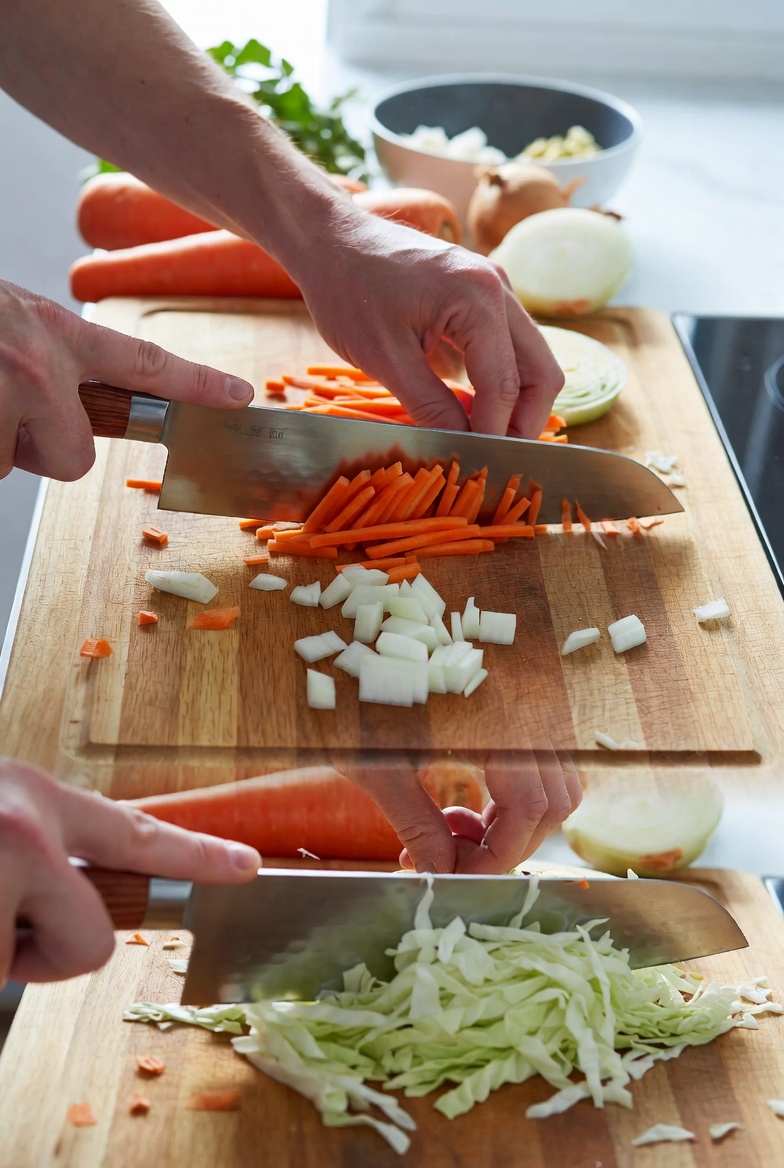
- Push-cut basics: Place the blade flat on the board, push forward while guiding with your guiding hand. Great for onions and cabbage.
- Chop and scoop: Use the wide blade to chop, then scoop the pile effortlessly.
- Tip techniques: The front of the blade is excellent for delicate work like herb mincing or peeling.
- Maintenance: Hone regularly and sharpen on whetstones or a good sharpener. Carbon steel versions develop a nice patina but require more care to prevent rust.
Pro tip: For leafy greens or cilantro, a gentle tapping or push-pull motion works beautifully.

Popular Nakiri Recommendations (2026)
- Best overall/value: Tojiro DP or similar entry-level Japanese models—razor sharp out of the box and affordable.
- Premium pick: Shun Premier or Yoshihiro Damascus—beautiful layered steel with excellent edge retention.
- Budget-friendly: Mercer Culinary Genesis or similar stainless options that perform well for daily use.
- Look for VG-10, AUS-10, or high-carbon stainless blades depending on your maintenance preference.
Many serious cooks add a Nakiri as their second or third kitchen knife after a good chef's knife.
Final Thoughts: Add This Vegetable Specialist to Your Arsenal
The Nakiri isn't just another kitchen knife—it's a specialist that makes vegetable prep faster, safer, more precise, and even more enjoyable. Once you experience how effortlessly it handles produce, you'll wonder how you cooked without it.
If you're serious about fresh, flavorful cooking, consider adding a Nakiri to your collection. Your salads, stir-fries, and garnishes will thank you.
Ready to upgrade your vegetable game? Search for "Nakiri knife" from reputable Japanese knife makers and feel the difference in your next meal.