





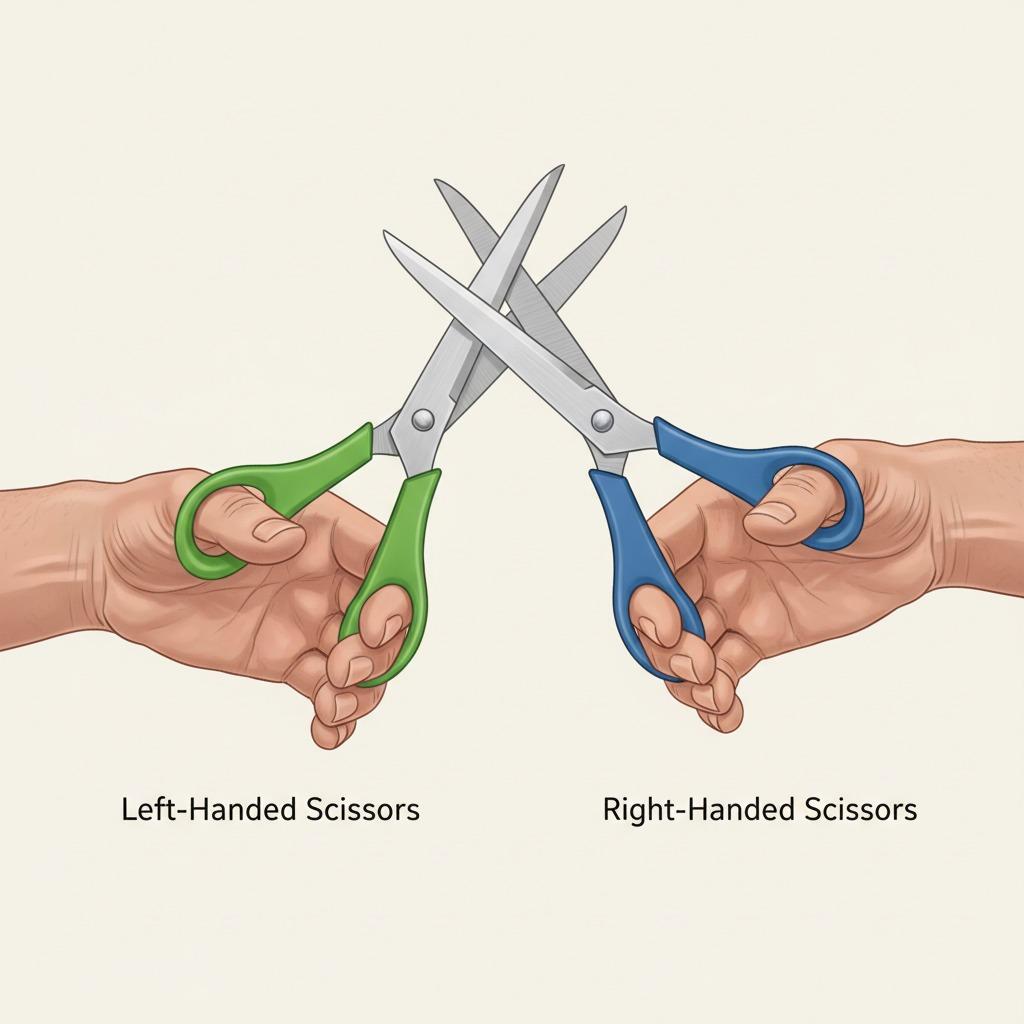
Left-Handed vs. Right-Handed Scissors: What’s the Real Difference?
Scissors are one of the most common office tools, yet many people—especially left-handers—struggle with them daily. The frustration of blades separating, uneven cuts, or obscured cutting lines often stems from using the wrong handedness. Here's a clear breakdown of the real differences, why they matter, and what to look for in office scissors.
The Core Mechanical Difference
The primary distinction isn't the handle color or shape (though those can vary). It's the blade orientation and how the blades are riveted together.
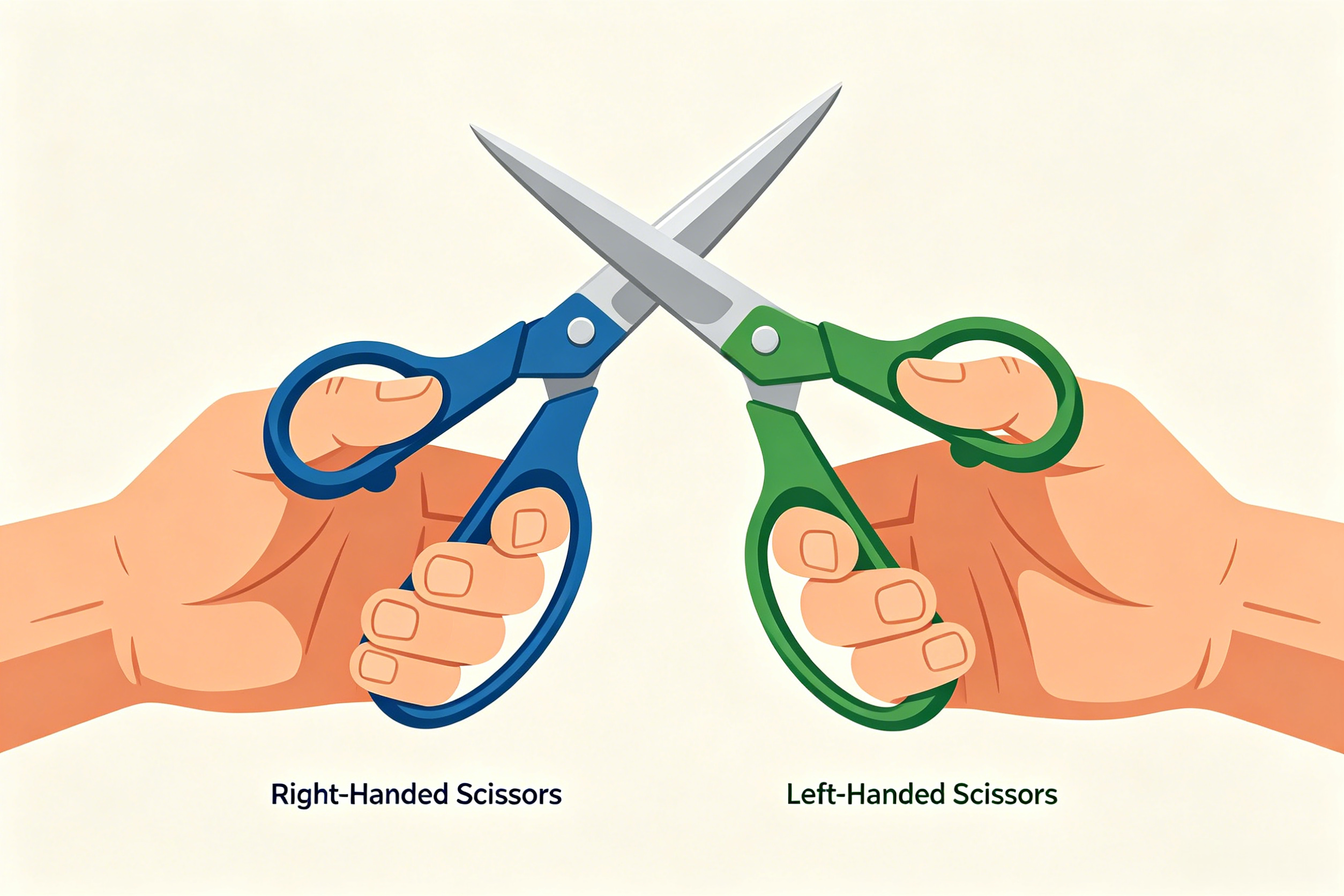
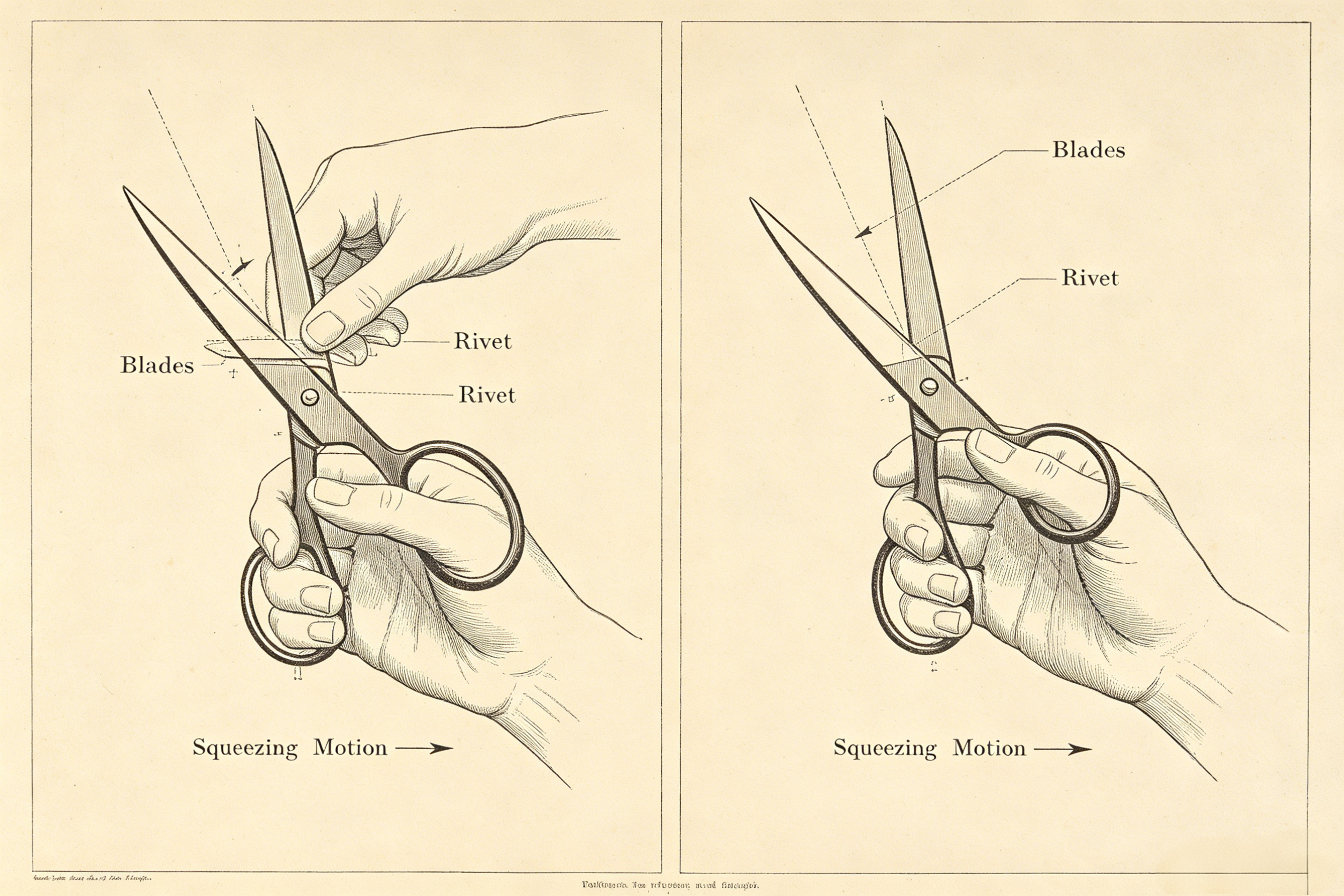
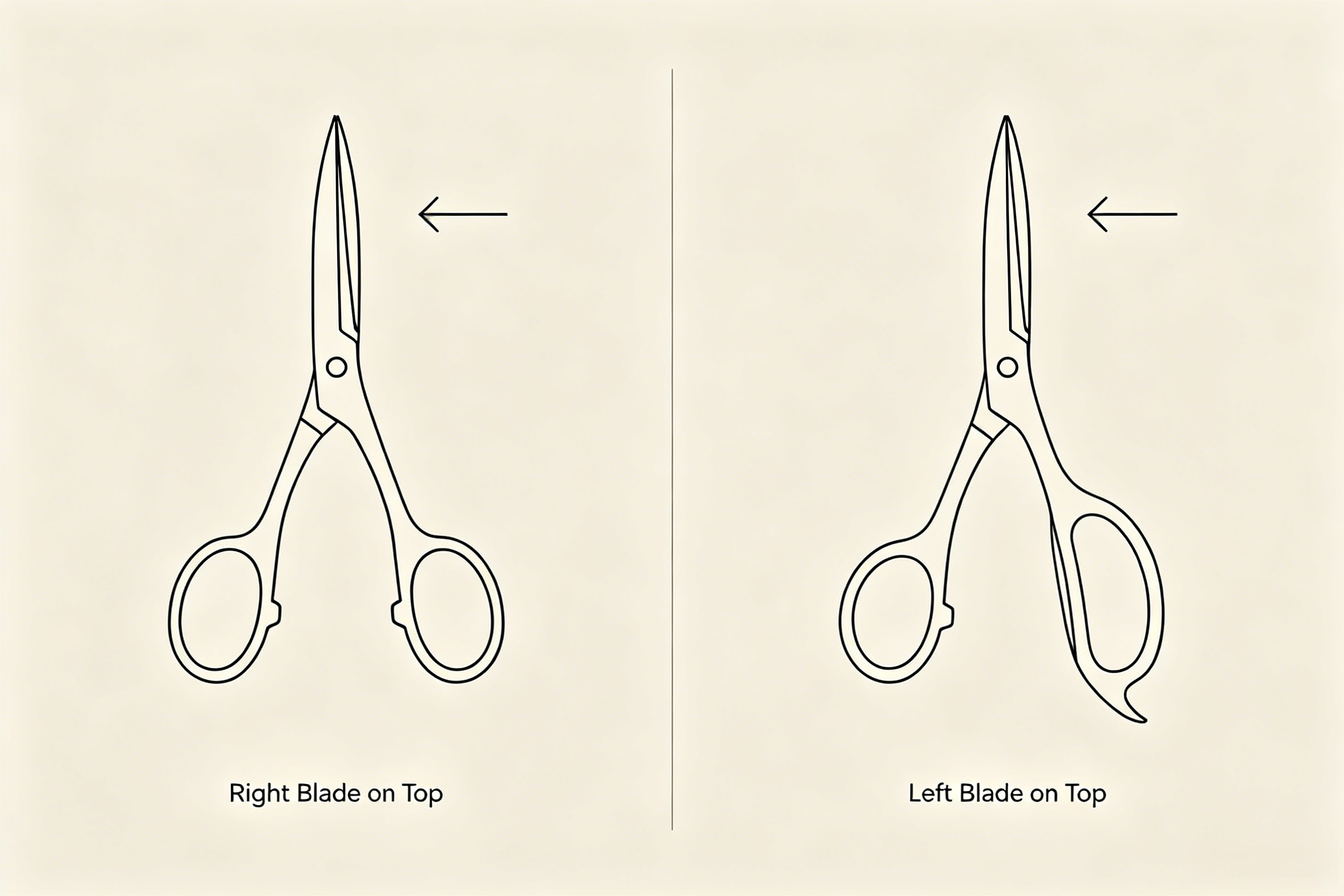
- Right-handed scissors: When opened and held in the right hand, the right blade is on top. The natural squeezing motion of the right hand pushes the blades together for a clean cut.
- Left-handed scissors: The left blade is on top (a mirror image). This allows the left hand's squeezing action to keep the blades pressed together properly.
If you flip right-handed scissors upside down or use them in your left hand, the top blade remains the right one due to the blade connection. This causes the blades to push apart instead of together when a left-hander squeezes, leading to poor performance.
Visual Comparison Table:
| Feature | Right-Handed Scissors | Left-Handed Scissors |
|---|---|---|
| Top Blade (when open) | Right blade on top | Left blade on top |
| Best for | Right-handers (90%+ of population) | Left-handers |
| Cutting Action | Thumb pushes blades together cleanly | Thumb pushes blades together cleanly |
| View of Cutting Line | Clear for right-handers | Clear for left-handers |
| Common in Offices | Standard; most "universal" scissors | Rare; often need special order |
| Handle Feel | Comfortable thumb/finger rings for right hand | Mirror comfort for left hand |
Why It Matters for Office Use
Most standard office scissors (like the classic 8-inch pointed or blunt-tip models from brands like Fiskars or generic stainless steel pairs) are right-handed. They work excellently for right-handers but can cause:
- Frustration for lefties: Blades separate, leading to jagged cuts or requiring extra force.
- Hand strain: Over time, this can cause discomfort or fatigue.
- Poor precision: Important for tasks like cutting paper, labels, or crafting in the office.
Typical Office Scissors Example (Right-Handed): These are usually 7-8 inches long with stainless steel blades and plastic or soft-grip handles. They're inexpensive, durable for everyday paper cutting, and dominate office supply stores.
Left-handed office versions exist but are less common. They look similar but have reversed blades. Some "ambidextrous" claims are misleading—they often just have symmetrical handles on right-handed blades.
How to Identify the Correct Pair
- Open the scissors.
- Look at the blades: Right blade on top = right-handed.
- Test cut: Blades should stay aligned and cut smoothly without forcing.
Recommendations
- Right-handers: Any standard office scissors will do (e.g., 8" stainless steel models).
- Left-handers: Invest in true left-handed scissors for comfort and efficiency. Look for reputable brands offering dedicated lefty models.
- Shared offices: Provide both types or high-quality ambidextrous-handle options (with awareness of blade limitations).
Understanding this small but important difference can transform a mundane task. Next time you're shopping for office supplies, check the blades—not just the packaging!
Have you ever struggled with scissors? Share your experience in the comments.
This post is for informational purposes. Proper tool selection improves productivity and reduces strain.