





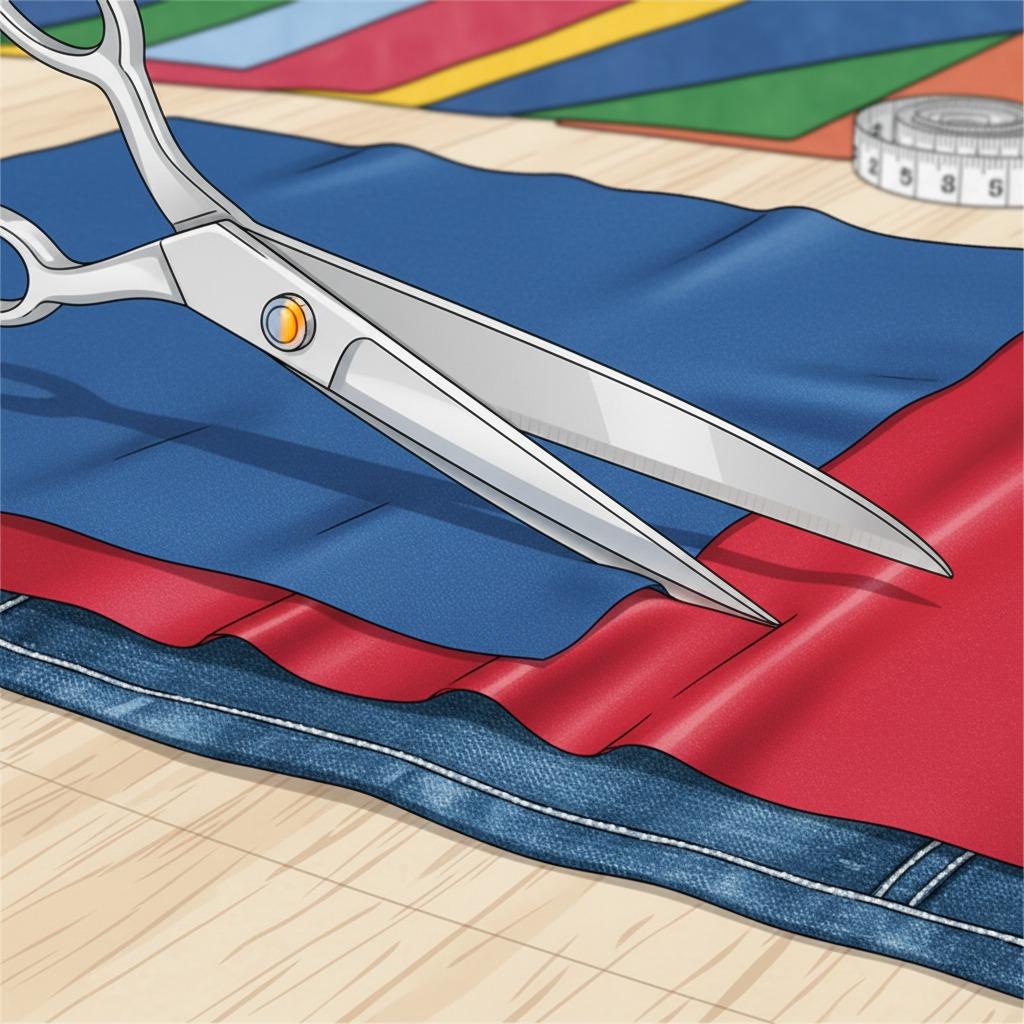
Left-Handed Tailoring: The Importance of True Left-Handed Shears
In the world of professional tailoring and sewing, the right tools make all the difference. For left-handed tailors and dressmakers, true left-handed shears (also known as tailor scissors) are not just a preference—they are essential for precision, comfort, and high-quality results. Many left-handers have spent years struggling with standard right-handed scissors, leading to frustration, inaccurate cuts, and hand fatigue. True left-handed tailoring shears solve these issues by reversing the blade orientation and handle design specifically for left-hand use.
![Amazon.com: TONMA True Left Handed Fabric Scissors [Made in Japan] 12 Inch Heavy Duty Sewing Scissors, Industrial Japanese Steel Dressmaker Tailor Shears for Leather Carpet Upholstery Crafting](https://m.media-amazon.com/images/I/51yhzW1loYL._AC_UF894,1000_QL80_.jpg)
Why Standard Scissors Fail Left-Handed Tailors
Most scissors on the market are designed for right-handers. In a right-handed pair:
- The right blade sits on top.
- When squeezed with the right hand, the natural motion pushes the blades together for a clean cut.
- The top blade doesn't block the cutting line for right-handers.
When a left-hander uses these in their dominant hand, the mechanics reverse: the blades are pushed apart instead of together, causing the fabric to bunch, tear, or cut unevenly. Visibility of the cutting line is also obstructed because the top blade covers it from the left-handed perspective. This leads to crooked seams, wasted material, and strain on the hand, wrist, and shoulder during long tailoring sessions.

True left-handed shears flip this design entirely:
- The left blade sits on top.
- Blade overlap and pivot tension are calibrated for left-hand pressure.
- Handles are contoured for natural left-hand grip.
The result? Cleaner cuts, better control, reduced fatigue, and a clear view of your fabric lines. Many left-handed sewists report that switching to true left-handed tailor scissors feels like a "game changer" for accuracy and enjoyment in their craft.
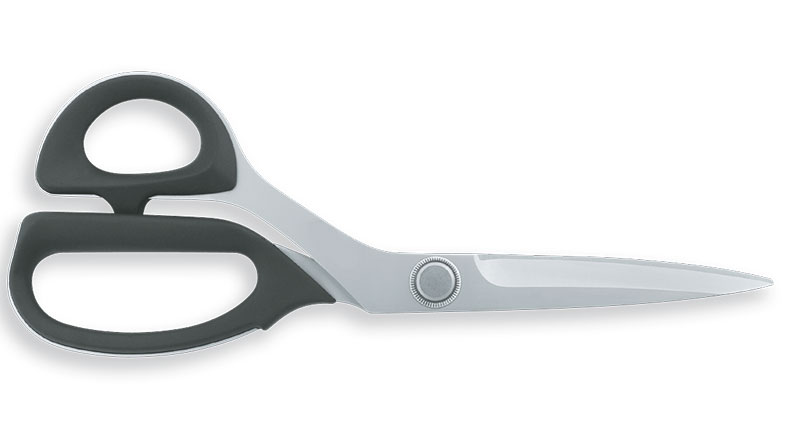
Benefits of True Left-Handed Shears in Tailoring
- Precision Cutting — Straighter lines and better alignment with pattern markings, crucial for professional garment construction.
- Reduced Hand Strain — Ergonomic design minimizes cramping and long-term discomfort, even after hours of cutting heavy fabrics like denim, leather, or upholstery.
- Improved Visibility — The reversed blade position keeps the cutting line clearly visible for left-handers.
- Efficiency and Material Savings — Fewer mistakes mean less wasted fabric and faster workflow.
- Professional Results — Clean edges without fraying or pulling, essential for high-end tailoring.
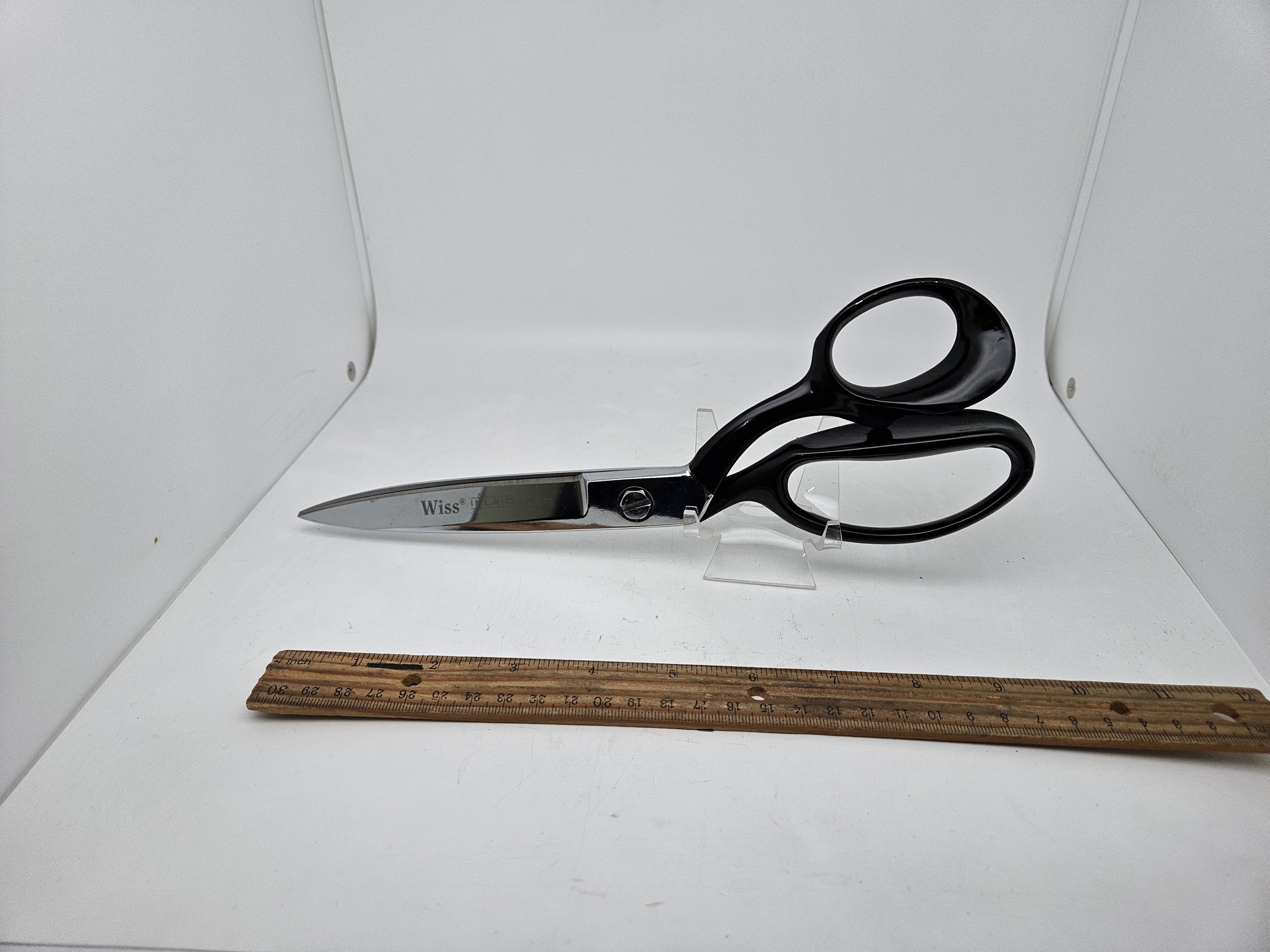
Left-handed tailors often describe the difference as restoring natural control rather than just "sharper" blades. True left-handed tailor scissors align with the way the left hand naturally applies pressure, making cutting feel intuitive again.
Right-Handed vs. True Left-Handed Shears: A Quick Comparison
Here's a side-by-side look at the key differences:
| Feature | Right-Handed Shears | True Left-Handed Shears (Tailor Scissors) | Ambidextrous / "Both Hands" Claims |
|---|---|---|---|
| Blade Orientation | Right blade on top | Left blade on top | Usually right-handed design |
| Cutting Action | Blades close cleanly with right hand | Blades close cleanly with left hand | Often push blades apart for lefties |
| Visibility | Clear for right-handers | Clear for left-handers | Partial or blocked |
| Ergonomics | Comfortable for right hand | Contoured for left-hand grip | Moderate, often causes strain |
| Best For | Right-handed tailors | Left-handed tailoring & sewing | Casual use only |
| Long Sessions | Low fatigue for righties | Reduced strain for lefties | Higher risk of discomfort |
True left-handed shears stand out for serious tailoring work, while "ambidextrous" options rarely deliver the full mechanical benefits needed for precision fabric cutting.
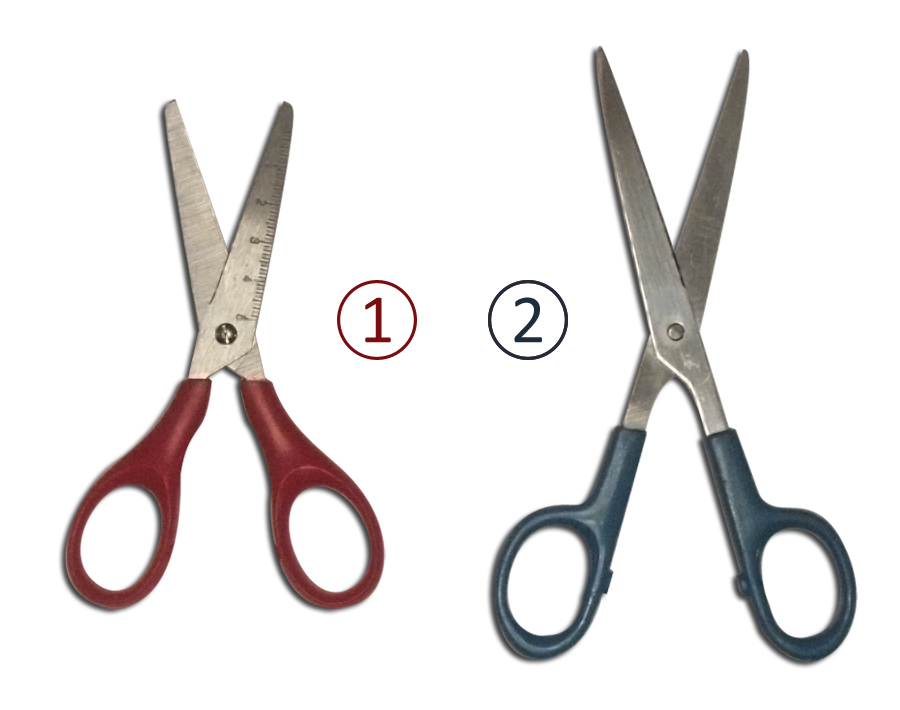
Choosing and Caring for Your Left-Handed Tailor Scissors
Look for reputable brands offering dedicated left-handed models, such as Kai, Wiss, or specialized Japanese steel shears designed for dressmaking and tailoring. Sizes typically range from 8–12 inches for fabric shears, with heavier-duty options for upholstery or leather.
Tips for left-handed tailors:
- Test the scissors on scrap fabric—true left-handed pairs should cut smoothly without forcing.
- Maintain proper tension at the pivot screw for optimal performance.
- Sharpen regularly with tools suited for the reversed blade angle.
- Store separately to avoid mixing with right-handed pairs.
Many left-handers keep both true left and right-handed tailor scissors for versatility, but rely on their dedicated left pair for most detailed work.
Final Thoughts
For left-handed individuals in tailoring, investing in true left-handed shears is one of the smartest upgrades you can make. These specialized tailor scissors restore comfort, boost precision, and eliminate the daily frustrations of mismatched tools. Whether you're a professional dressmaker, hobbyist sewist, or teaching the next generation, using the correct hand-specific equipment elevates your craft and protects your hands for years to come.
If you're tired of fighting your scissors, it's time to switch to true left-handed tailoring tools. Your fabrics—and your hands—will thank you.

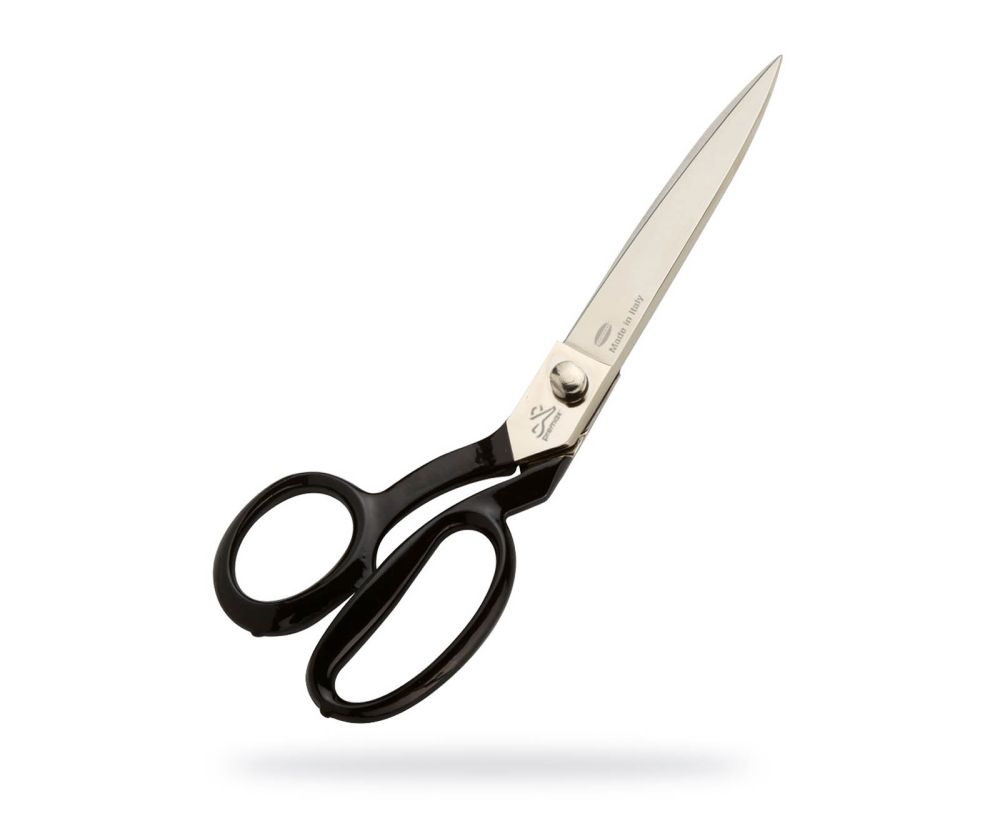
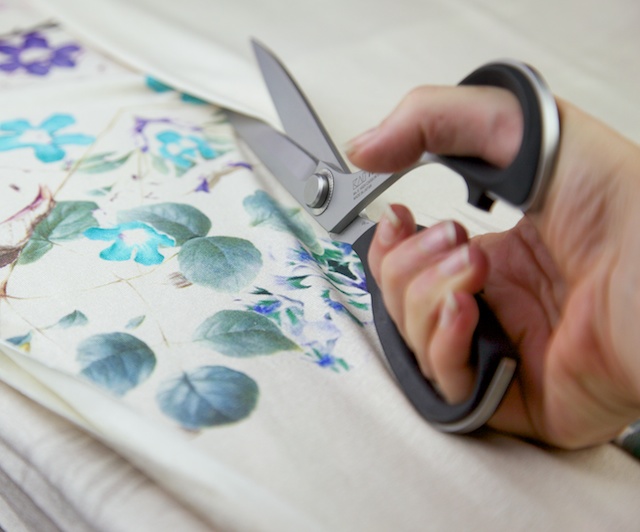
Images shown include examples of true left-handed tailor shears, comparisons of left vs. right designs, and left-handers cutting fabric with proper tools.