





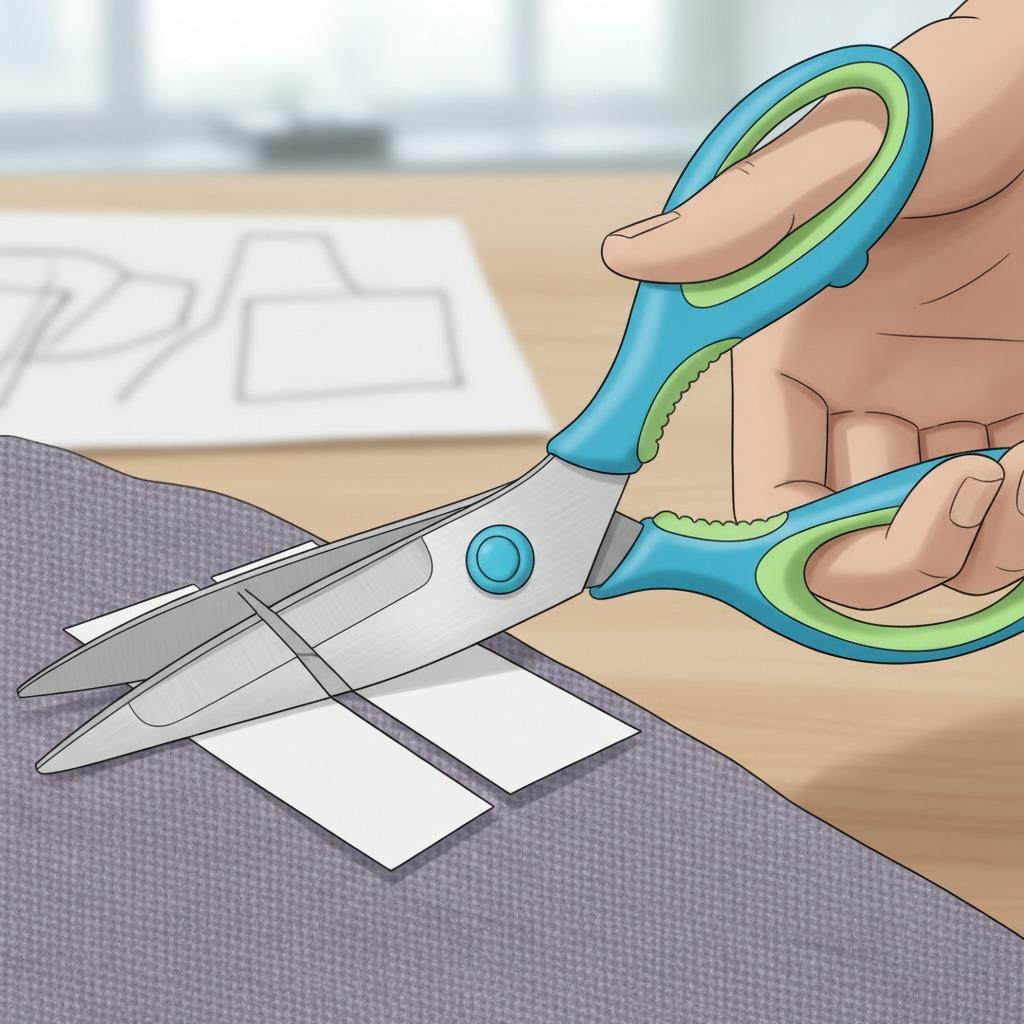
Left-Handed Tailoring: Finding the Perfect Pair of Southpaw Shears
In the world of tailoring, precision is everything. A single clean cut can make the difference between a flawless garment and a frustrating redo. But for the estimated 10-15% of people who are left-handed, finding the right tools has long been a challenge. Enter Southpaw Shears—specialized left-handed scissors designed specifically for the unique needs of left-handed tailors, seamstresses, and hobbyists.
If you've ever struggled with fabric bunching, frayed edges, or hand fatigue after a long cutting session, you're not alone. Standard right-handed scissors force lefties to adapt awkwardly, leading to imprecise cuts and unnecessary strain. In this comprehensive guide, we'll explore why true left-handed shears are a game-changer, compare products and use cases, and help you find the perfect pair for your needs.

![Amazon.com: TONMA True Left Handed Fabric Scissors [Made in Japan] 12 Inch Heavy Duty Sewing Scissors, Industrial Japanese Steel Dressmaker Tailor Shears for Leather Carpet Upholstery Crafting](https://m.media-amazon.com/images/I/51yhzW1loYL._AC_UF894,1000_QL80_.jpg)
Why Southpaw Shears Matter: The Science of Left-Handed Cutting
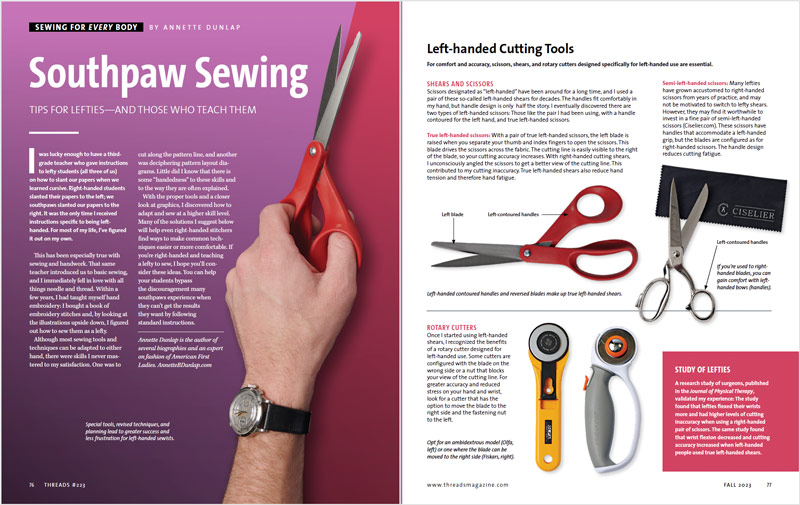
The key difference lies in blade orientation. In right-handed scissors, the right blade sits on top, and the natural squeezing motion of the right hand pushes the blades together for a clean shear. For left-handers using these, the blades actually push apart slightly—causing crushing, fraying, and extra effort.
True Southpaw Shears reverse this: the left blade is on top when held in the left hand. This alignment allows the cutting force to work with your hand, not against it. The result? Straighter lines, better visibility of the fabric edge, and dramatically reduced wrist flexion.
Professional studies and user reports confirm this. Left-handers using proper left-handed scissors show improved cutting accuracy and less strain on the wrist compared to forcing right-handed tools.

Product and Solution Comparison: True Left-Handed vs. "Lefty-Friendly" Options
Not all "left-handed" scissors are created equal. Here's a clear breakdown:
| Feature | True Left-Handed Southpaw Shears | "Flipped" or Universal Scissors | Right-Handed Scissors (Used by Lefties) |
|---|---|---|---|
| Blade Orientation | Left blade on top for left hand | Often just mirrored handles, wrong blades | Right blade on top |
| Cutting Efficiency | Excellent – blades close cleanly | Fair – some resistance | Poor – blades push apart |
| Visibility | Clear view of cutting line | Partial | Blocked by top blade |
| Comfort & Ergonomics | High – contoured for left grip | Moderate | Low – causes hand cramping |
| Best For | Precision tailoring | Casual paper cutting | Right-handers only |
| Price Range | $20–$150+ | $10–$30 | $10–$80 |
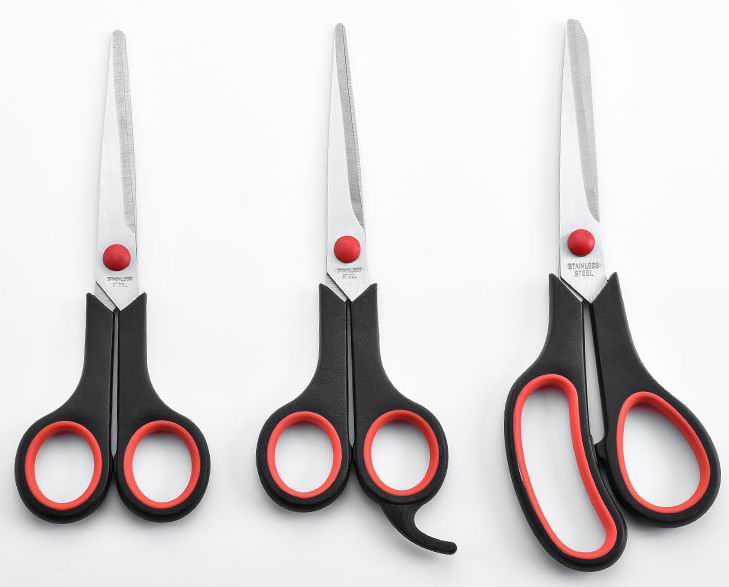
Recommendation: Skip cheap "lefty" imports that are just relabeled right-handed models. Invest in brands like TONMA, LDH Scissors, or Lefty's that offer genuine reversed blades. For a premium solution, look for Japanese steel options with adjustable tension screws.

Applicable Scenarios Comparison: Home, Commercial, and Wholesale
Choosing the right Southpaw Shears depends heavily on how you'll use them. Here's a practical breakdown:
Home / Hobby Use
- Ideal For: Weekend sewists, quilters, and DIY enthusiasts.
- Key Features: Lighter weight (under 200g), 7–9 inch blades, soft-grip handles.
- Pros: Affordable ($25–$60), easy to store, comfortable for shorter sessions.
- Cons: May dull faster on heavy fabrics like denim or leather.
Commercial / Professional Use
- Ideal For: Tailor shops, fashion designers, upholstery studios, and alterations businesses.
- Key Features: 10–12 inch heavy-duty blades, high-carbon or titanium-coated steel, ergonomic bent handles to reduce shoulder strain.
- Pros: Lasts years under daily use, precise on multiple fabric layers, reduces fatigue during 8+ hour days.
- Cons: Higher upfront cost ($80–$200).
Wholesale Procurement
- Ideal For: Sewing schools, large alteration chains, fabric stores, or bulk gifting to left-handed teams.
- Key Features: Cases of 10–50 identical pairs, consistent quality control, volume discounts.
- Pros: Significant cost savings (30–50% per unit), easy inventory management, uniform performance across staff.
- Cons: Less customization per pair; requires storage space.
- Tip: Partner with suppliers offering true left-handed certification to avoid returns from frustrated users.
Professional and Industry Perspectives
Left-handed tailors who switch to proper Southpaw Shears often describe it as "life-changing."
A veteran seamstress from a high-end London atelier shared: "I used right-handed shears for 20 years and thought the pain was normal. After one week with true left-handed ones, my cuts were straighter, and my hand didn't ache at night."
In the fashion industry, where deadlines are tight, pros like those at independent pattern houses swear by Japanese brands (e.g., Yasugi steel Southpaw shears). These tools maintain edge sharpness through hundreds of cuts on silk, wool, and synthetics.
Even in education, left-handed students in fashion design programs report 30–50% faster pattern cutting when equipped correctly—boosting confidence and grades.
The Impact on Scissor Lifespan
Using the wrong-handed scissors doesn't just frustrate—it shortens tool life dramatically.
- Blade Wear: Misaligned force causes micro-gaps, leading to nicks and dulling 2–3x faster.
- Tension Issues: Constant pushing apart loosens the pivot screw, requiring frequent adjustments.
- Hand Strain Feedback Loop: Discomfort leads to tighter gripping, accelerating handle wear and blade fatigue.
In contrast, properly oriented Southpaw Shears distribute force evenly. Users report their shears staying razor-sharp for 2–5 years of heavy use with minimal maintenance (just occasional oiling and professional sharpening).
Real-world data from tailoring forums shows lefties replacing "universal" scissors every 6–12 months, while quality left-handed pairs often outlast three sets of the alternatives.
Adaptability to Different Scissor Materials
Southpaw Shears come in a variety of materials, each suited to specific needs:
- High-Carbon Steel: Offers the sharpest initial edge—ideal for fine tailoring on delicate fabrics. However, it requires more care to prevent rust. Best for pros who sharpen regularly.
- Stainless Steel: The workhorse option. Corrosion-resistant, easy to clean, and holds an edge well for everyday use. Perfect balance for home and light commercial.
- Titanium-Coated or Forged Titanium: Lightweight yet ultra-durable. The coating reduces friction (fabric glides better) and resists sticking on synthetics. Excellent for lefties in humid climates or heavy production.
- Japanese Specialty Steel (e.g., Yasugi): Premium choice for serious tailors. Combines extreme hardness with flexibility—stays sharp longer and feels balanced in the left hand.
Pro Tip: For left-handed users, prioritize materials with smooth, non-serrated blades. Serrations can catch on certain fabrics regardless of hand dominance.


How to Choose and Care for Your Perfect Pair
- Measure Your Needs: 8–9 inches for most home work; 10+ for commercial.
- Test the Grip: Look for contoured, ambidextrous-avoiding handles.
- Check Blade Quality: Hold up to light—seamless alignment is key.
- Maintenance: Wipe after use, oil the pivot monthly, and sharpen professionally every 6–12 months.
With the right Southpaw Shears, left-handed tailoring transforms from a struggle into a joy.
Ready to upgrade? Your hands (and your projects) will thank you.