





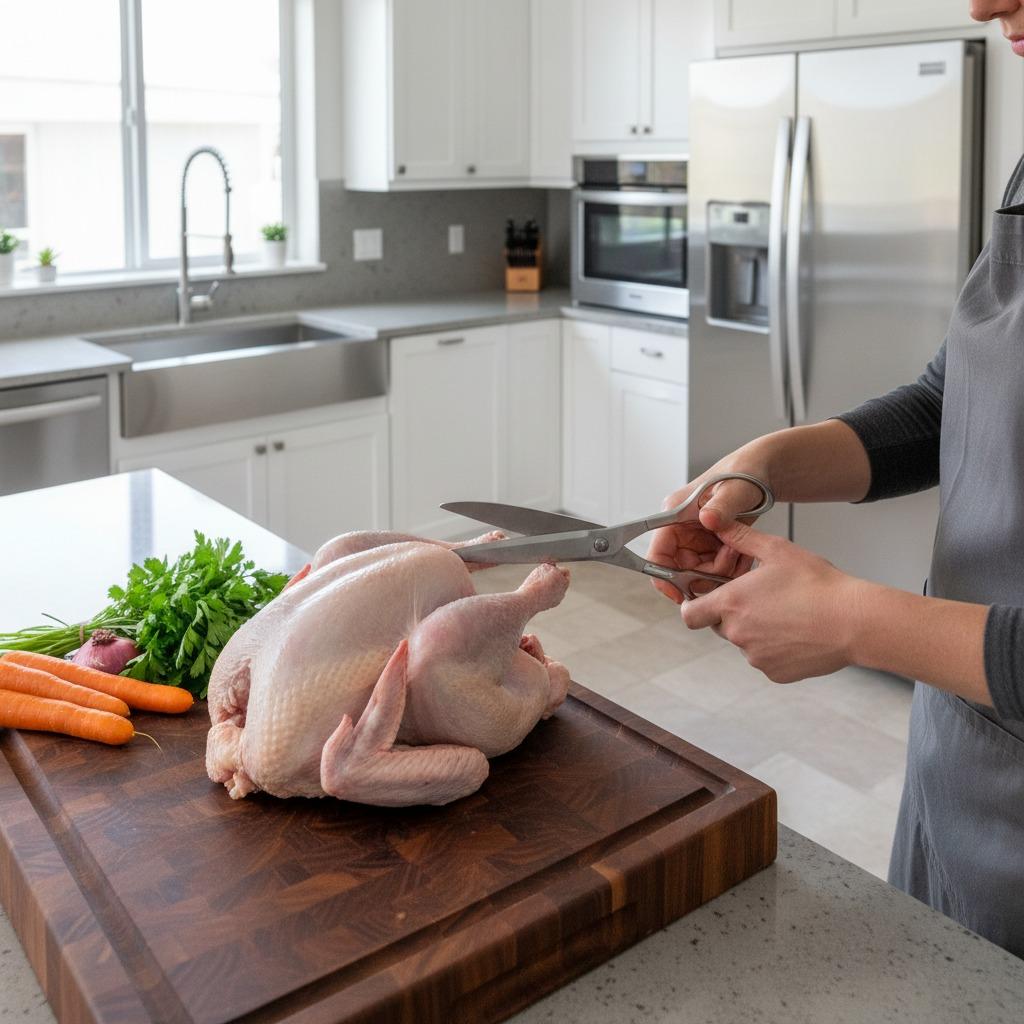
How to Sterilize Kitchen Scissors After Cutting Raw Meat
A Step-by-Step Guide to Safe Kitchen Practices with Kitchen Scissors
Kitchen scissors (also called kitchen shears) are incredibly versatile tools for cutting raw chicken, poultry, beef, pork, herbs, and vegetables. However, after handling raw meat, they can harbor harmful bacteria like Salmonella, E. coli, or Campylobacter. Proper cleaning and sanitizing (often referred to as sterilizing in home kitchens) prevents cross-contamination and keeps your family safe.

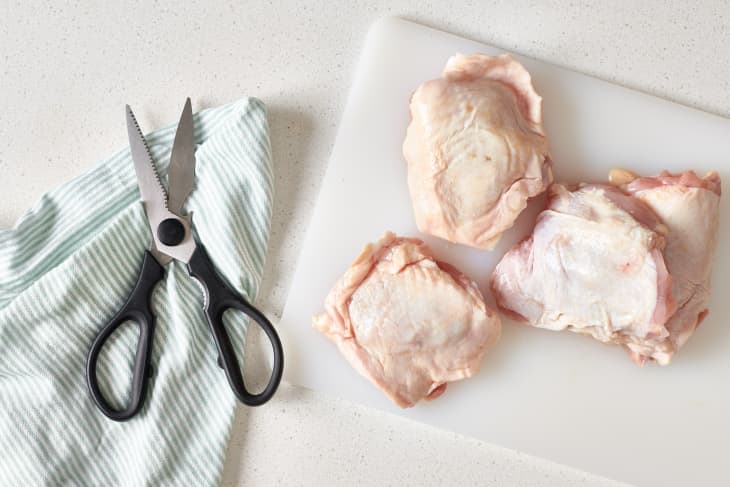
Why It Matters Raw meat juices can leave invisible bacteria on the blades, pivot point, and handles of your kitchen scissors. Simply rinsing them isn't enough. The USDA and food safety experts recommend a two-step process: clean first (remove debris with hot soapy water), then sanitize (kill remaining bacteria). This is far more effective than cleaning alone.
Step-by-Step Guide to Cleaning and Sanitizing Kitchen Scissors
- Immediate Rinse (Right After Use) Rinse your kitchen scissors under hot running water immediately after cutting raw meat. This removes loose particles and prevents residue from drying and hardening.
- Wash Thoroughly Use hot water and dish soap. Open the blades fully and scrub all surfaces, including the pivot joint, serrations, and handles, with a sponge or brush. Pay special attention to crevices where meat juices hide. Rinse well with clean hot water.

- Sanitize Use one of these proven methods:
- Bleach Solution (USDA-recommended): Mix 1 tablespoon unscented liquid chlorine bleach with 1 gallon of water. Submerge open scissors or wipe thoroughly; let sit for 2–10 minutes. Rinse well and air dry.
- Dishwasher (if dishwasher-safe): Place kitchen scissors in the top rack. The high heat and detergent cycle effectively cleans and sanitizes. Always check manufacturer instructions first.
- Alternative Natural Option: Spray with white vinegar followed by 3% hydrogen peroxide (or vice versa). Let sit for 10 minutes, then rinse.
- Dry Completely Pat dry with a clean towel or paper towels, then leave open to air dry fully. Moisture promotes rust or bacterial growth—even on stainless steel.
- Store Properly Keep kitchen scissors in a dry drawer or hanging rack, away from other utensils to avoid damage.
Cleaning Methods Comparison Table
| Method | Best For | Steps Involved | Time Required | Pros | Cons |
|---|---|---|---|---|---|
| Hot Soapy Water + Rinse | Everyday light cleaning | Wash, scrub, rinse | 2–5 minutes | Simple, no chemicals | Does not fully kill bacteria |
| Bleach Sanitizer | After raw meat/poultry | Wash → Soak 2–10 min → Rinse → Dry | 10–15 minutes | Highly effective, inexpensive | Requires rinsing; strong smell |
| Dishwasher (if safe) | Convenient deep clean | Load & run full cycle | 1–2 hours | Hands-off, high heat sanitizes | Not all scissors are safe |
| Vinegar + Hydrogen Peroxide | Natural preference | Spray sequence, wait 10 min, rinse | 12–15 minutes | No bleach, food-safe | Slightly less potent than bleach |
Tips for Maintaining Your Kitchen Scissors
- Choose dishwasher-safe stainless steel kitchen scissors for easier upkeep.
- Avoid soaking for long periods to prevent damage to handles or pivots.
- Sharpen blades regularly (many have built-in sharpeners).
- Use dedicated kitchen scissors for raw meat if possible, or sanitize every time.
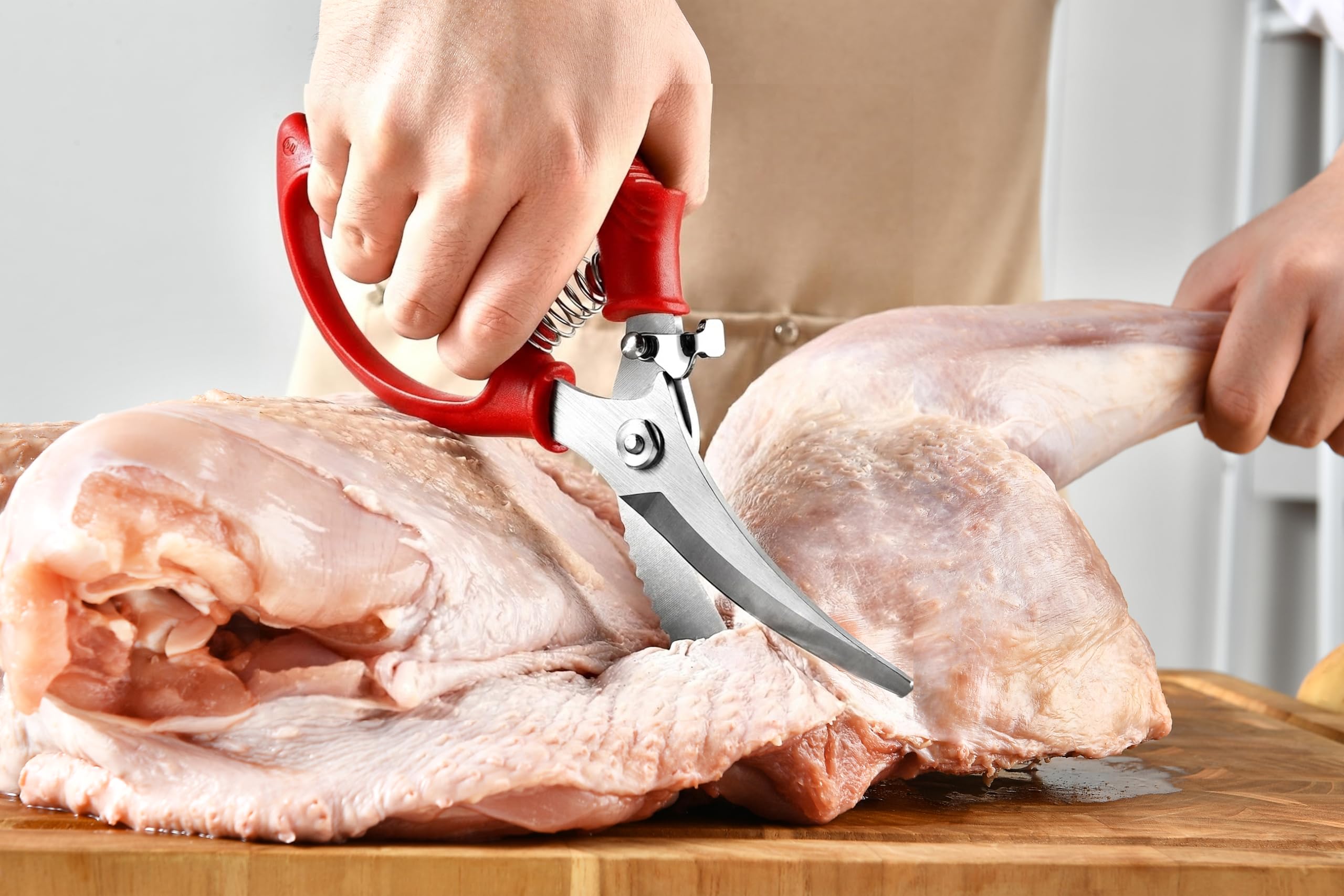
- For heavy-duty poultry shears, the same rules apply—clean the spring-loaded mechanism carefully.
:max_bytes(150000):strip_icc()/sea-williams-sonoma-prep-tools-poultry-shears-ashlee-redger-04-08c6b05ea7704092addeeb6d3447d728.jpeg)
![Amazon.com: TONMA Heavy Duty Kitchen Scissors All Purpose [Made in Japan] Stainless Steel Japanese Multipurpose Kitchen Shears for Herbs, Chicken, Food, Garden, Office, Crafting, Leather, Dishwasher Safe: Home & Kitchen](https://m.media-amazon.com/images/I/61aK80DOy1L._AC_UF894,1000_QL80_.jpg)

Common Mistakes to Avoid
- Skipping the sanitize step after raw meat.
- Using abrasive cleaners that scratch blades.
- Storing wet scissors (leads to rust or bacterial growth).
- Forgetting to clean the pivot point, a common hiding spot for germs.
By following these steps, your kitchen scissors will stay hygienic and last for years. Always prioritize food safety—clean then sanitize is the golden rule after handling raw meat.
Stay safe and happy cooking! If your kitchen scissors have specific care instructions from the manufacturer, follow those first.