





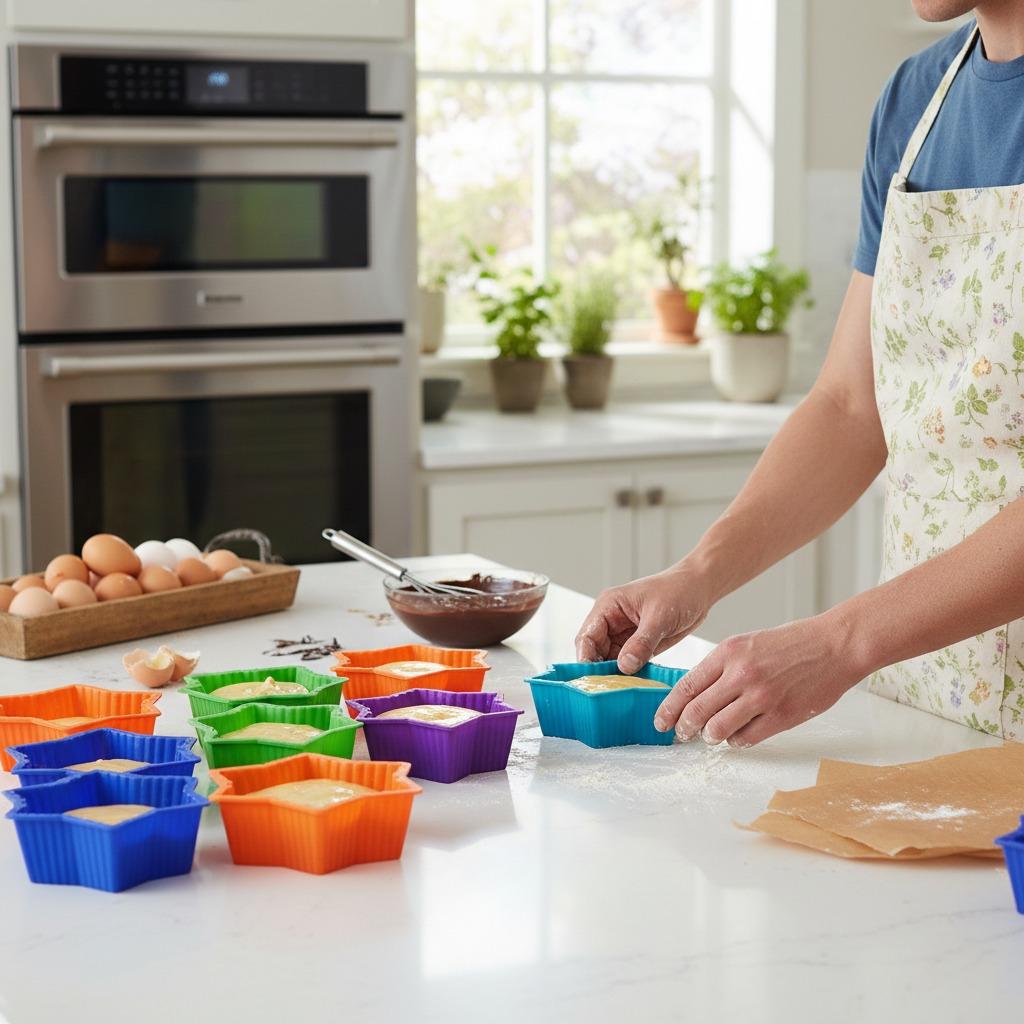
How to Remove White Residue from Silicone Bakeware: Restore Your Kitchen Silicone Tools to Pristine Condition
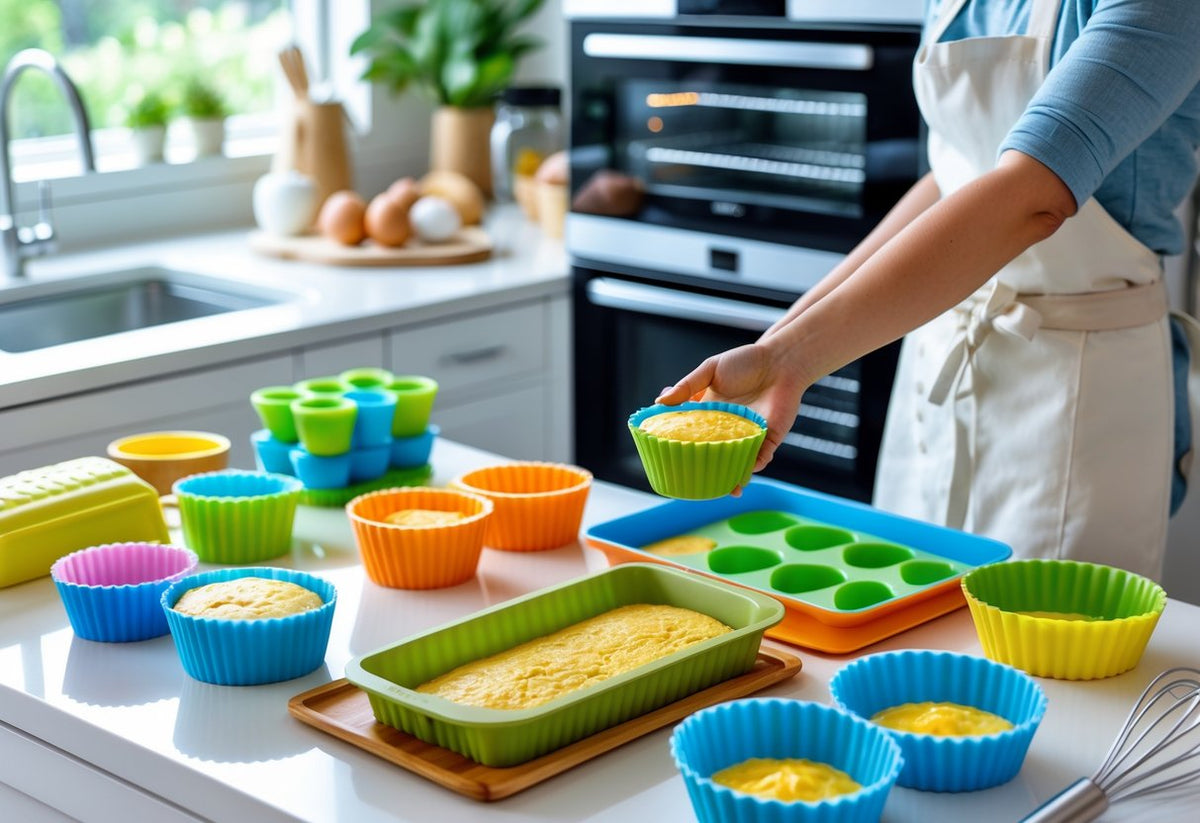
Silicone bakeware has revolutionized home baking—non-stick, flexible, and durable. But over time, many bakers notice an annoying white residue or cloudy film on their kitchen silicone tools, like baking mats, muffin molds, loaf pans, and spatulas. This buildup often appears after repeated use or dishwasher cycles and can make your tools look dull or even affect performance.
The good news? Removing white residue from silicone bakeware is simple, inexpensive, and uses ingredients you likely already have at home. In this guide, we'll cover the causes, proven cleaning methods, a handy comparison table, step-by-step instructions, prevention tips, and real before-and-after visuals to help you revive your kitchen silicone tools quickly and safely.
What Causes White Residue on Silicone Bakeware?
The white film is usually mineral deposits (calcium and magnesium) from hard tap water, leftover soap scum, or detergent residue that wasn't fully rinsed away. Heat from the oven can also cause silicone to absorb tiny amounts of grease or oils, leading to a sticky or cloudy layer over time. It's harmless but unsightly—and luckily, it dissolves easily with acids like vinegar or lemon.
Materials You'll Need for Effective Cleaning
Gather these everyday items before you start:
- White vinegar (or lemon juice as a natural alternative)
- Baking soda
- Mild dish soap
- Soft sponge or non-abrasive brush
- Hot water
- Optional: 3% hydrogen peroxide for stubborn stains
Comparison of Cleaning Methods for White Residue
Here's a quick table comparing the most effective techniques based on common household methods:
| Method | Key Ingredients | Soak/Wait Time | Best For | Effort Level | Results |
|---|---|---|---|---|---|
| Vinegar Soak | White vinegar + hot water | 20–30 minutes | Mineral deposits & hard water film | Low | Excellent, no scrubbing needed |
| Baking Soda + Lemon | Baking soda + fresh lemon | 10 minutes | Grease, stains & odors | Medium | Great shine + fresh scent |
| Baking Soda Paste | Baking soda + water | 10–15 minutes | Light residue | Medium | Good for quick touch-ups |
| Hydrogen Peroxide + Baking Soda | Hydrogen peroxide + baking soda | 24 hours (or overnight) | Cloudy soap scum & food stains | Low | Deep clean for heavy buildup |
These methods are gentle on silicone and won't damage your kitchen silicone tools.
Step-by-Step Guide: How to Remove White Residue
Follow these proven steps for sparkling results every time.
Step 1: Prepare and Pre-Clean Rinse your silicone bakeware under warm water with a drop of mild dish soap to remove loose debris. Avoid harsh scrubbers that could scratch the surface.
:max_bytes(150000):strip_icc()/how-to-clean-a-silicone-baking-mat-5194936-02-f648dd4bfcd34fe8975b81140f780b17.jpg)
Step 2: Choose and Apply Your Method
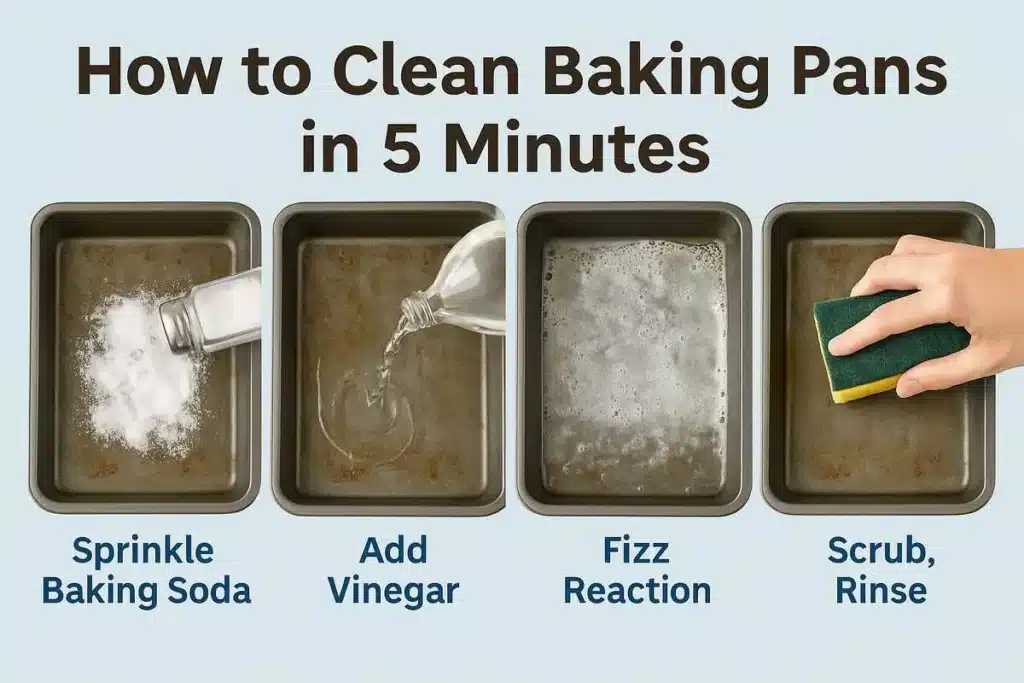
- Vinegar Soak (Recommended for Most Cases): Fill a sink or large bowl with hot water and add 1–2 cups of white vinegar. Submerge your kitchen silicone tools and let them soak for 20–30 minutes. The acid breaks down minerals instantly.
- Baking Soda + Lemon Scrub: Sprinkle baking soda generously over the surface, then squeeze fresh lemon juice over it to create a fizzy paste. Let it sit for 10 minutes, then gently scrub in circular motions.
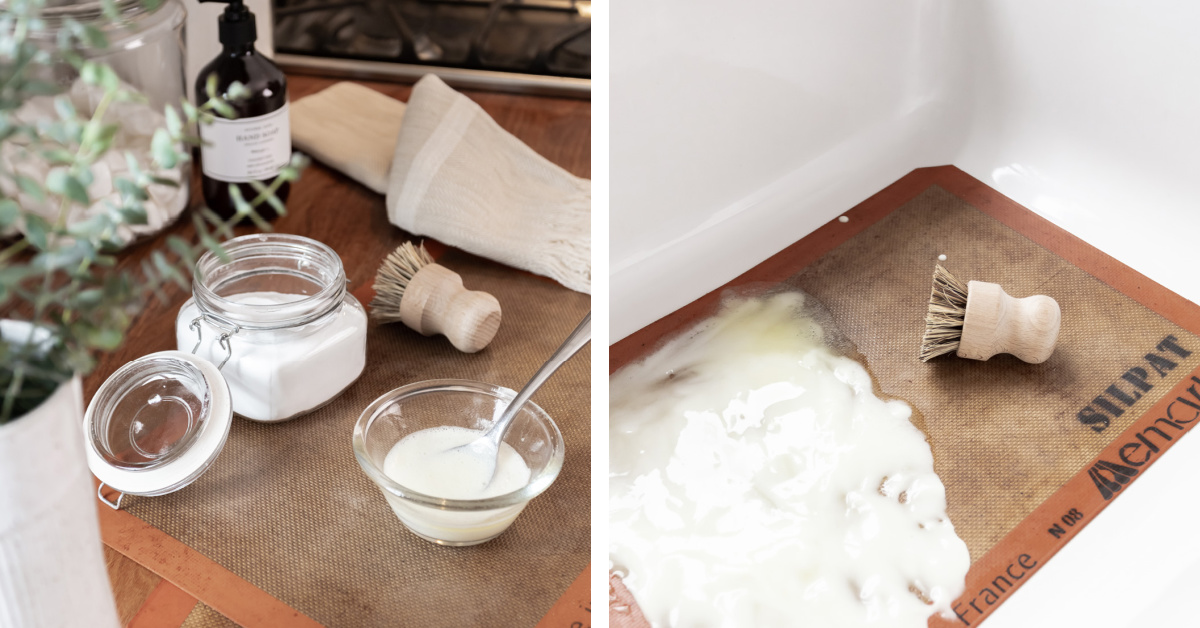
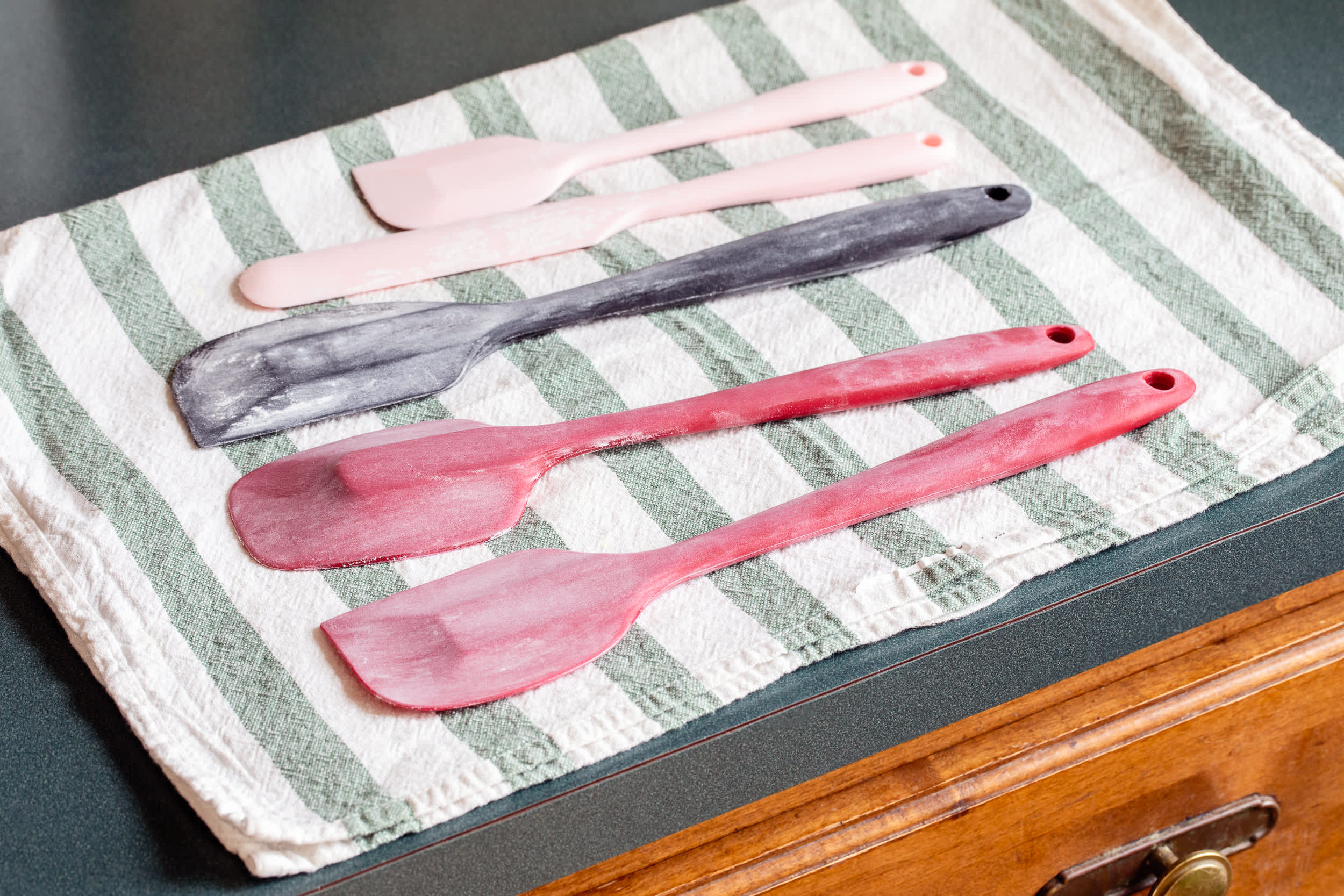
Step 3: Rinse and Dry Thoroughly Rinse everything under running hot water until no residue or scent remains. Air-dry completely on a clean towel or rack—never store damp silicone, as moisture can lead to new buildup.
:max_bytes(150000):strip_icc()/how-to-clean-silicone-5073237-04-2b6b28ff281e4e518506e0927e3f7921.jpg)
Step 4: Deep Clean (If Needed) For stubborn oily residue, place the bakeware on a baking sheet in a 450°F (230°C) oven for 1 hour (until it stops smoking), then wash immediately with soap and water.
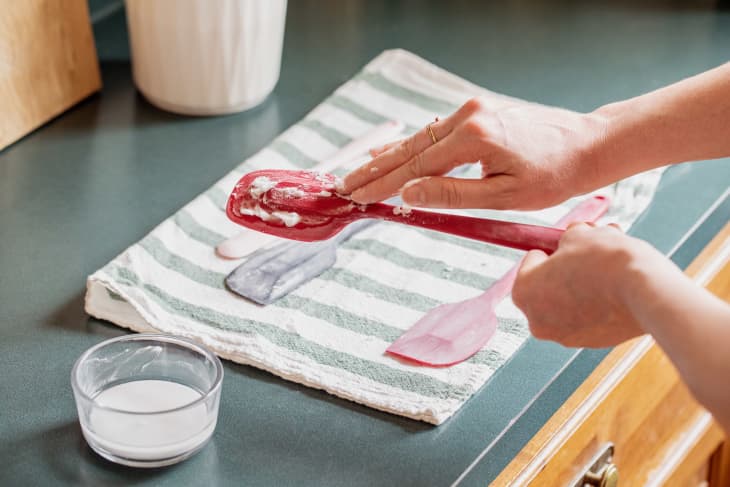
Before-and-After Example See the transformation? That cloudy white film vanishes, leaving your kitchen silicone tools flexible, non-stick, and ready for your next bake.
Prevention Tips to Keep Your Kitchen Silicone Tools Residue-Free
- Hand-wash when possible instead of using the dishwasher (which can leave mineral deposits).
- Rinse thoroughly after every use—soap scum is a major culprit.
- Add a splash of vinegar to your dishwasher rinse cycle if you must machine-wash.
- Store flat or rolled (never folded) in a dry cabinet.
- Deep-clean every 4–6 weeks proactively with the vinegar or lemon method.
Final Thoughts
Your kitchen silicone tools are an investment in effortless baking—don't let white residue shorten their lifespan! With these easy, natural methods, you can remove buildup in under 30 minutes and enjoy spotless, high-performance bakeware for years. Try the vinegar soak first; it's the most reliable fix for mineral deposits.
Have you dealt with white residue on your silicone mats or molds? Share your favorite cleaning hack in the comments below. Happy baking—and happy cleaning! 🍋