






Heavy Duty vs. Lightweight: Choosing Your Plastic Cutting Board
When it comes to kitchen essentials, few tools are as fundamental as a plastic cutting board. Whether you're a home cook prepping weeknight dinners or a professional chef handling high-volume tasks, the choice between a heavy duty plastic cutting board and a lightweight plastic cutting board can dramatically impact your efficiency, safety, and long-term satisfaction. In this guide, we'll break down the key differences to help you pick the perfect cutting board for your needs.

What Is a Heavy Duty Plastic Cutting Board?
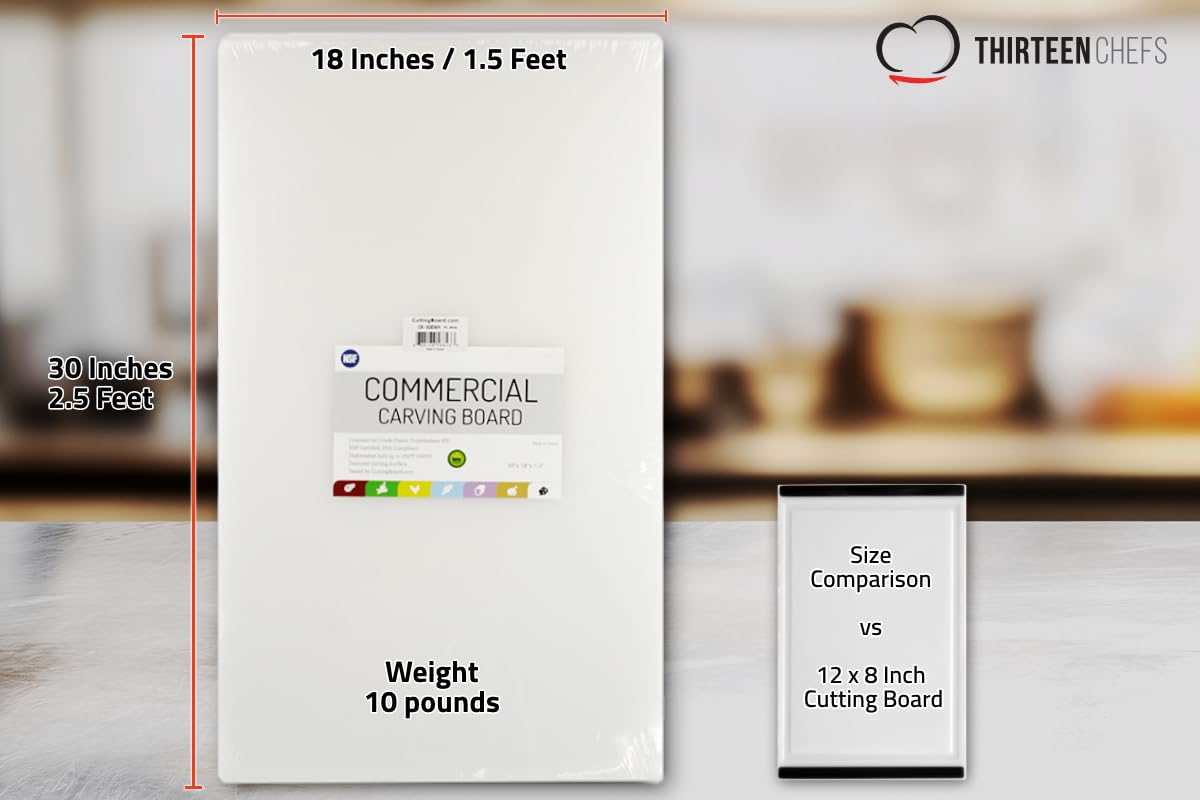
Heavy duty plastic cutting boards are built like tanks—thick, rigid, and designed for serious chopping. Made from high-density polyethylene (HDPE) or similar commercial-grade materials, these cutting boards often measure ½ inch or thicker and can weigh 5–10 pounds or more. They're the go-to choice for butcher shops, restaurants, and serious home cooks who tackle tough meats, large vegetables, or daily meal prep.
Pros:
- Exceptional durability and resistance to deep knife marks
- Stable on countertops (minimal slipping)
- Easy to sanitize and maintain for food safety
- Long lifespan, even with heavy use
Cons:
- Bulky and harder to store or carry
- Higher price point
- Can feel cumbersome for quick, light tasks
What Is a Lightweight Plastic Cutting Board?
Lightweight plastic cutting boards are slim, flexible, and ultra-portable. Often just ⅛ inch thick or less, these cutting boards are made from polypropylene or similar materials and usually weigh under 2 pounds. They're perfect for apartments, camping, or anyone who values convenience over brute strength. Many come in colorful sets with fun food icons for easy identification (meat vs. veggies).
Pros:
- Super easy to store, wash, and transport
- Flexible design lets you bend and pour ingredients directly into pans
- Affordable and often sold in multi-packs
- Great for smaller kitchens or occasional use
Cons:
- Prone to warping, slipping, or showing wear faster
- Less stable for heavy chopping
- May require more frequent replacement

Side-by-Side Comparison Table
Here's a clear breakdown to help you compare heavy duty vs. lightweight plastic cutting boards at a glance:
| Feature | Heavy Duty Plastic Cutting Board | Lightweight Plastic Cutting Board |
|---|---|---|
| Weight | 5–10+ lbs (thick and solid) | Under 2 lbs (thin and flexible) |
| Thickness | ½ inch or more | ⅛ inch or less |
| Durability | Excellent – resists deep cuts and warping | Moderate – shows wear over time |
| Stability | High (stays put during heavy chopping) | Lower (may slip; often needs non-slip grips) |
| Portability | Low – best left on the counter | High – ideal for travel or small spaces |
| Price Range | $30–$80+ | $5–$25 (often sold in sets) |
| Best For | Professional kitchens, daily heavy use | Home cooks, quick prep, camping or apartments |
| Maintenance | Dishwasher-safe, highly sanitary | Dishwasher-safe but may need extra care to avoid warping |
Real-World Use: Putting Your Plastic Cutting Board to the Test
No matter which type you choose, the best cutting board is the one that matches your workflow. Heavy duty boards shine when you're breaking down a whole chicken or slicing through dense root vegetables. Lightweight boards excel for everyday tasks like chopping herbs, slicing fruit, or prepping snacks on the go.

:max_bytes(150000):strip_icc()/winco-plastic-cutting-board-grace-kelly-01-a2f64fd497eb4e53b1633aa6e67ea8fc.jpg)
Key Factors to Consider Before Buying
- Your Kitchen Routine – Do you chop for hours or just 10 minutes? Heavy duty for marathon sessions; lightweight for speed.
- Space and Storage – Small kitchens or RVs? Go lightweight.
- Budget – Lightweight options offer great value for beginners.
- Safety & Hygiene – Both types are BPA-free and non-porous, but thicker boards often score higher in commercial food-safety tests.
- Style – Want color-coded sets? Lightweight boards win here.
Final Verdict: Which Plastic Cutting Board Wins?
There’s no one-size-fits-all answer. If durability and stability are your top priorities, invest in a heavy duty plastic cutting board—it’s a kitchen workhorse that lasts years. If convenience, portability, and affordability matter most, a lightweight plastic cutting board will serve you well for everyday use.
Whichever you choose, treat your cutting board right: clean it promptly, avoid extreme temperatures, and replace it when deep grooves appear. The right plastic cutting board doesn’t just make prep easier—it keeps your kitchen safer and more enjoyable.
Ready to upgrade? Search for “heavy duty plastic cutting board” or “lightweight plastic cutting board” today and find the perfect match for your counter!