





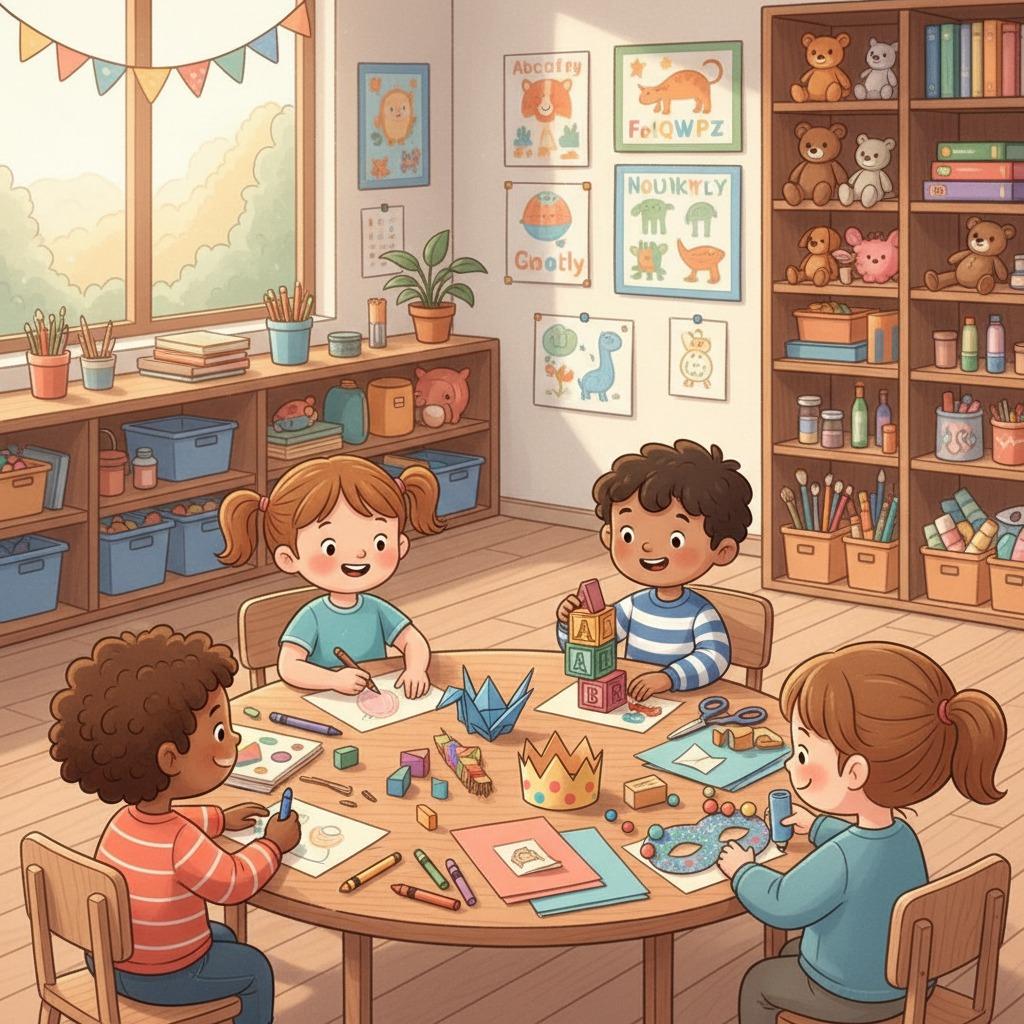
Fine Motor Fun: Why Paper Cutting is Great for Little Hands
Paper cutting is one of the simplest yet most powerful activities you can introduce to young children. It turns ordinary school scissors and colorful paper into a gateway for developing essential fine motor skills. Whether at home or in preschool, this hands-on craft keeps little ones engaged while building the dexterity they need for writing, buttoning clothes, and everyday tasks.


Children as young as 2–3 years old can start with blunt-tipped school scissors designed for safety. The repetitive snipping motion strengthens small muscles in the hands, wrists, and fingers, while improving hand-eye coordination and bilateral coordination (using both hands together).
Why Paper Cutting Boosts Fine Motor Development
Here are the key developmental benefits:
- Finger Strength and Control: Gripping and opening/closing school scissors builds the muscles needed for a proper pencil grip later on.
- Hand-Eye Coordination: Kids learn to align the blades with the line or shape they want to cut.
- Bilateral Coordination: One hand holds the paper steady while the other operates the scissors — a skill that transfers to many daily activities.
- Focus and Patience: Completing a simple cutting project teaches concentration and perseverance.
- Creativity and Confidence: Turning scraps into art gives children a sense of achievement.

Real-life example: A child carefully cutting straight lines or simple shapes with school scissors is practicing the exact motions that will help them write neatly in kindergarten.
Benefits at a Glance

Fun and Easy Paper Cutting Activities for Kids
Start simple and gradually increase difficulty:
- Fringe Cutting — Cut strips along the edge of colored paper (great for beginners).
- Straight Line Cutting — Draw lines with a thick marker and let kids follow them with school scissors.
- Shape Cutting — Cut out circles, squares, or triangles.
- Snowflake Magic — Fold paper and create symmetrical designs (perfect for winter themes).
- Collage Creations — Cut out shapes and glue them into pictures (animals, houses, or abstract art).
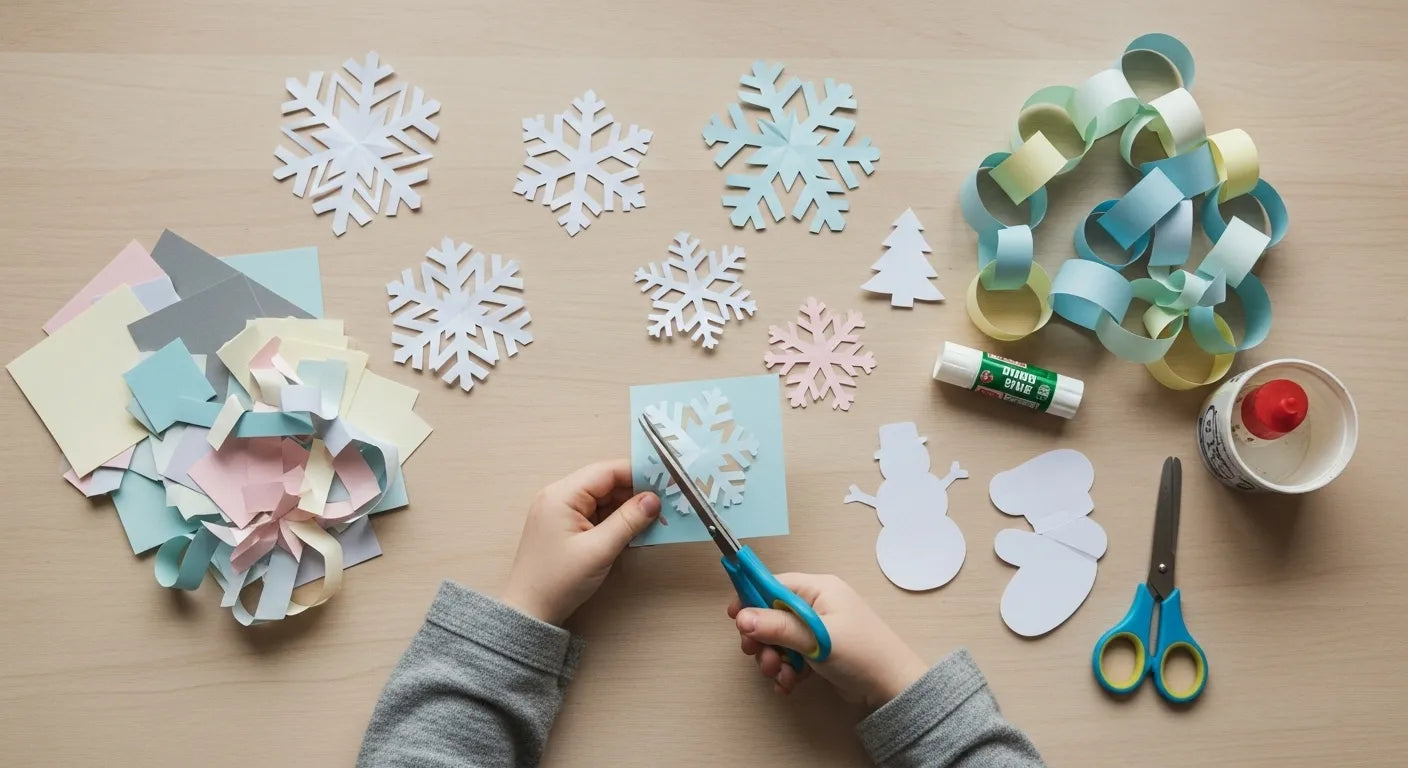
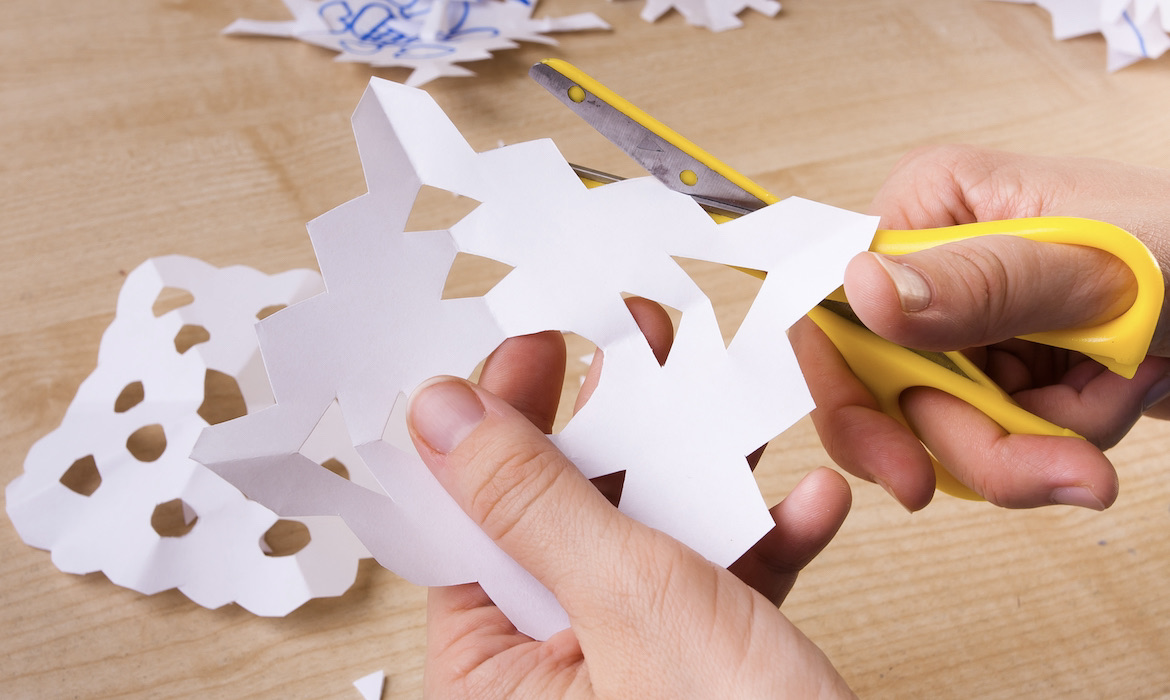
These activities are ideal for home or classroom use and require minimal supplies: child-safe school scissors, construction paper, and optionally glue or markers.
Safety Tips When Using School Scissors
Always supervise young children. Choose school scissors with rounded tips and plastic blades for toddlers. Teach these rules:
- Sit at a table with feet on the floor.
- Hold scissors with the thumb in the small hole and fingers in the larger hole.
- Never run or walk with scissors.
- Pass scissors handle-first to others.

With consistent practice using school scissors, most children show noticeable improvement in fine motor control within just a few weeks.
Final Thoughts
Paper cutting isn't just a fun craft — it's a developmentally rich activity that prepares little hands for school success. The combination of creativity, repetition, and skill-building makes it a favorite among parents and teachers alike.
Next time your child asks for something to do, grab a pair of school scissors and some bright paper. You’ll be amazed at how quickly their little hands gain confidence and control!
What’s your favorite paper cutting activity? Share in the comments below!