





The Hidden Dangers in Your Kitchen: BPA and Microplastics from Plastic Cutting Boards
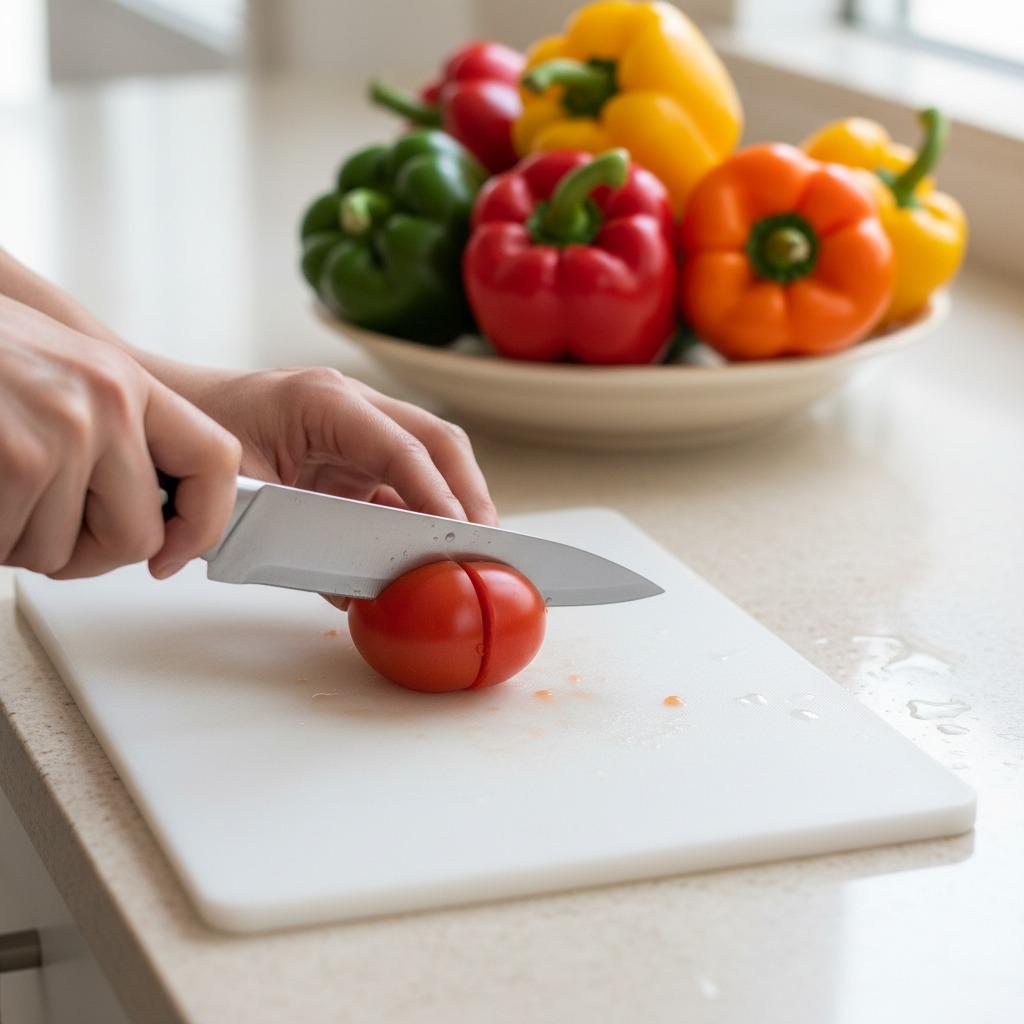
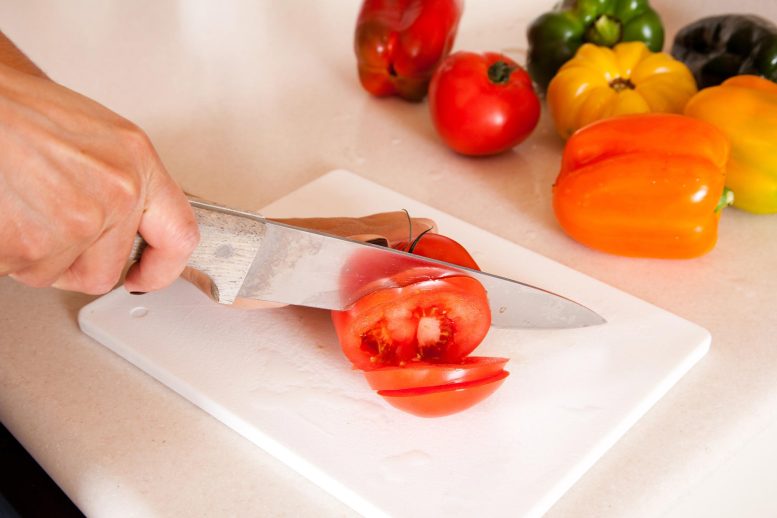
Plastic cutting boards are a kitchen staple — affordable, lightweight, dishwasher-safe, and seemingly hygienic. But recent scientific research reveals a troubling downside: they may be quietly releasing BPA (in some cases) and massive amounts of microplastics into the food you prepare every day. If you chop vegetables, slice meat, or dice onions on plastic, you could be ingesting thousands to millions of tiny plastic particles annually.
This blog breaks down the science, health risks, and what you can do about it.
What Is BPA and Why Does It Matter?
Bisphenol A (BPA) is a synthetic chemical used to make certain hard plastics (like polycarbonate) and epoxy resins. It mimics estrogen in the body and is classified as an endocrine disruptor.
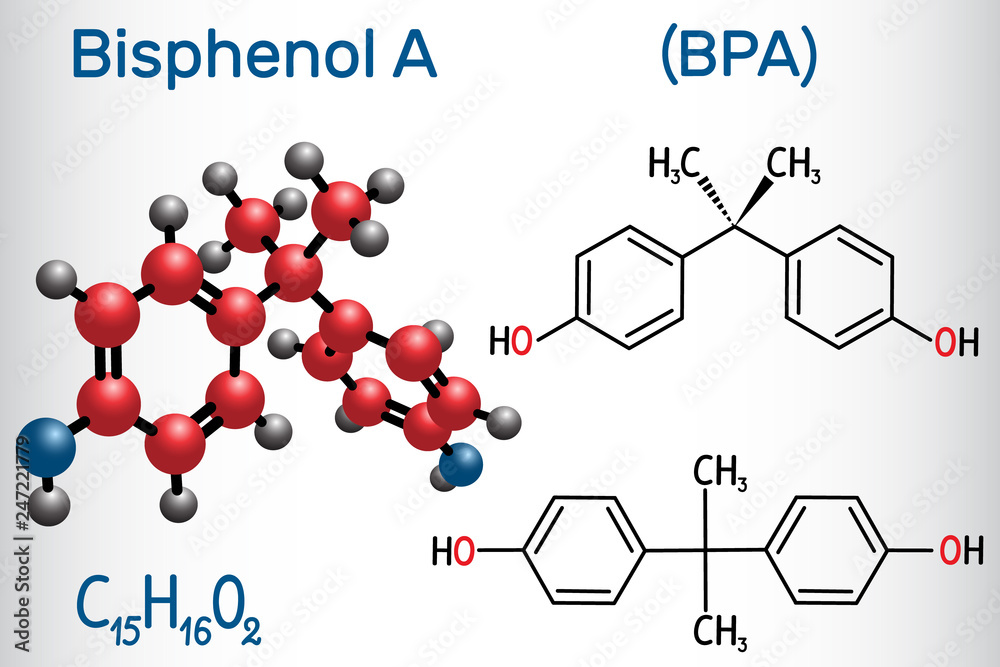
Health concerns linked to BPA exposure include:
- Hormonal imbalances and reproductive issues
- Developmental problems in children
- Increased risk of certain cancers and heart disease
While many modern kitchen cutting boards (especially HDPE or PP types) are now labeled BPA-free, older boards or polycarbonate models may still contain it. Even “BPA-free” plastics sometimes use similar chemicals (like BPS or BPF) with comparable risks.
The Bigger Issue: Microplastics from Everyday Chopping
Even if your board is BPA-free, every knife stroke scratches the surface and releases microscopic plastic particles.
A landmark 2023 study published in Environmental Science & Technology tested two common materials:
- Polyethylene (PE) boards released 7.4–50.7 grams of microplastics per person per year
- Polypropylene (PP) boards released even more (up to ~49.5 g/year in some estimates)
That’s roughly the weight of 10 credit cards annually — just from one cutting board!
Per single cut, you might release 1–15 microplastics that cling to your food. Most particles are tiny (<100 μm) and spherical, making them easy to swallow without noticing.
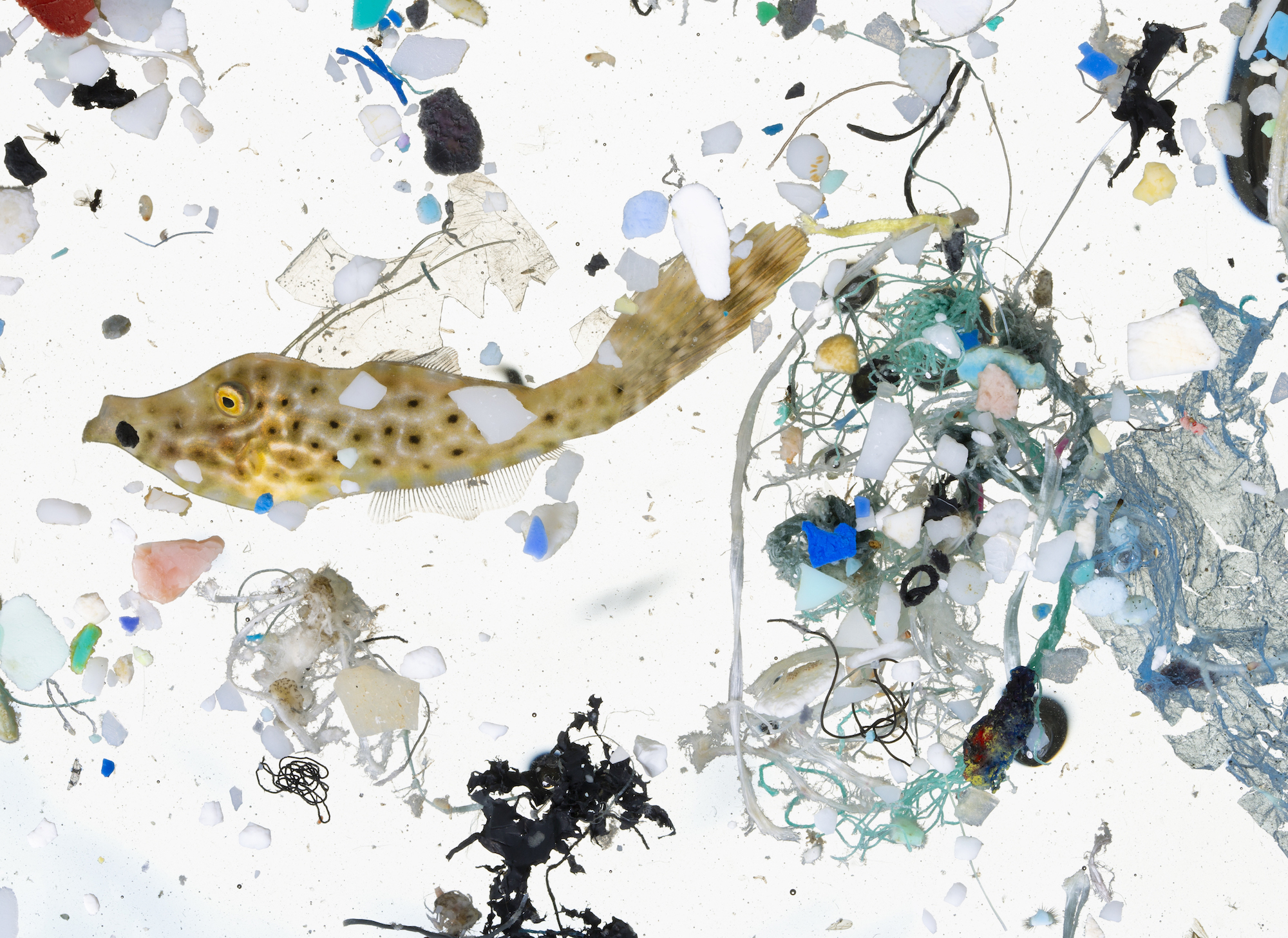
A 2025 mouse study found that food prepared on plastic boards caused intestinal inflammation, changes in gut microbiome, and altered liver metabolism — effects not seen with wooden boards.
Quick Comparison Table: Cutting Board Materials
| Material | Annual Microplastic Release (g/person) | BPA Risk | Other Pros & Cons | Best For? |
|---|---|---|---|---|
| Polyethylene (PE) | 7.4–50.7 | Typically none | Cheap, dishwasher-safe, but sheds plastic | Budget kitchens (short-term) |
| Polypropylene (PP) | ~49.5+ | Typically none | More durable but higher particle release | Avoid if possible |
| Bamboo / Hardwood | 0 | None | Natural antimicrobial, beautiful, lasts years | Daily use (recommended) |
| Glass / Marble | 0 | None | No plastics, but dulls knives quickly | Occasional use only |
Data compiled from 2023 peer-reviewed study and expert reviews.
:max_bytes(150000):strip_icc()/Yes4All-wooden-cutting-board-grace-kelly-03-2c7bb0ab19b54acca22faa8cd81a7d18.jpg)
Health Risks: What We Know (and Don’t Know Yet)
Microplastics can:
- Carry toxic additives into your body
- Trigger inflammation in the gut
- Disrupt hormones and immune function
- Potentially contribute to metabolic disorders
While human studies are still emerging, animal research and the sheer volume of particles (14–79 million per year from boards alone) are raising red flags.
BPA adds another layer: even trace leaching over time can accumulate, especially if boards are scratched or heated.
Safer Alternatives & Practical Tips
Switching to wooden (maple, walnut, or bamboo) or plant-based composite boards eliminates microplastic risk entirely while offering natural antibacterial properties.
Pro tips:
- Replace heavily scratched plastic boards immediately
- Use separate boards for raw meat vs. produce
- Opt for boards labeled “BPA-free” and “food-grade” only as a temporary measure
- Hand-wash wooden boards with mild soap and oil regularly (avoid prolonged dishwasher use)

Final Thoughts: Small Swap, Big Impact
Your cutting board might seem harmless, but science now shows it’s one of the largest overlooked sources of microplastics in home-cooked meals. Ditching plastic for wood or other non-plastic options is an easy, low-cost change that protects your health and reduces plastic pollution.
Next time you’re at the store, skip the plastic aisle and grab a beautiful wooden board instead. Your body — and the planet — will thank you.
What’s on your cutting board right now? Share in the comments and let’s start the conversation!