





Behind the Blade: How Professional Chef Knives Are Crafted
A truly exceptional chef knife is far more than sharpened metal—it's the result of centuries of metallurgical knowledge, precise heat treatment, expert handwork, and obsessive attention to detail. Whether you're a home cook, a restaurant professional, or sourcing in bulk, understanding how these blades are made helps explain why the right one feels like an extension of your hand.
Here's the journey from raw steel to razor edge, complete with real-world comparisons to help you choose wisely.
The Craftsmanship Process: Step by Step
Professional chef knives are typically made via forging (traditional hammering for strength and character) or precision stock removal (CNC grinding for consistency). Premium brands often blend elements of both.
- Selecting Premium Steel Everything begins with high-grade steel—high-carbon stainless (like VG-10 or AUS-10) or pure carbon steel (White #1, Blue #2). The choice determines edge retention, toughness, and corrosion behavior.
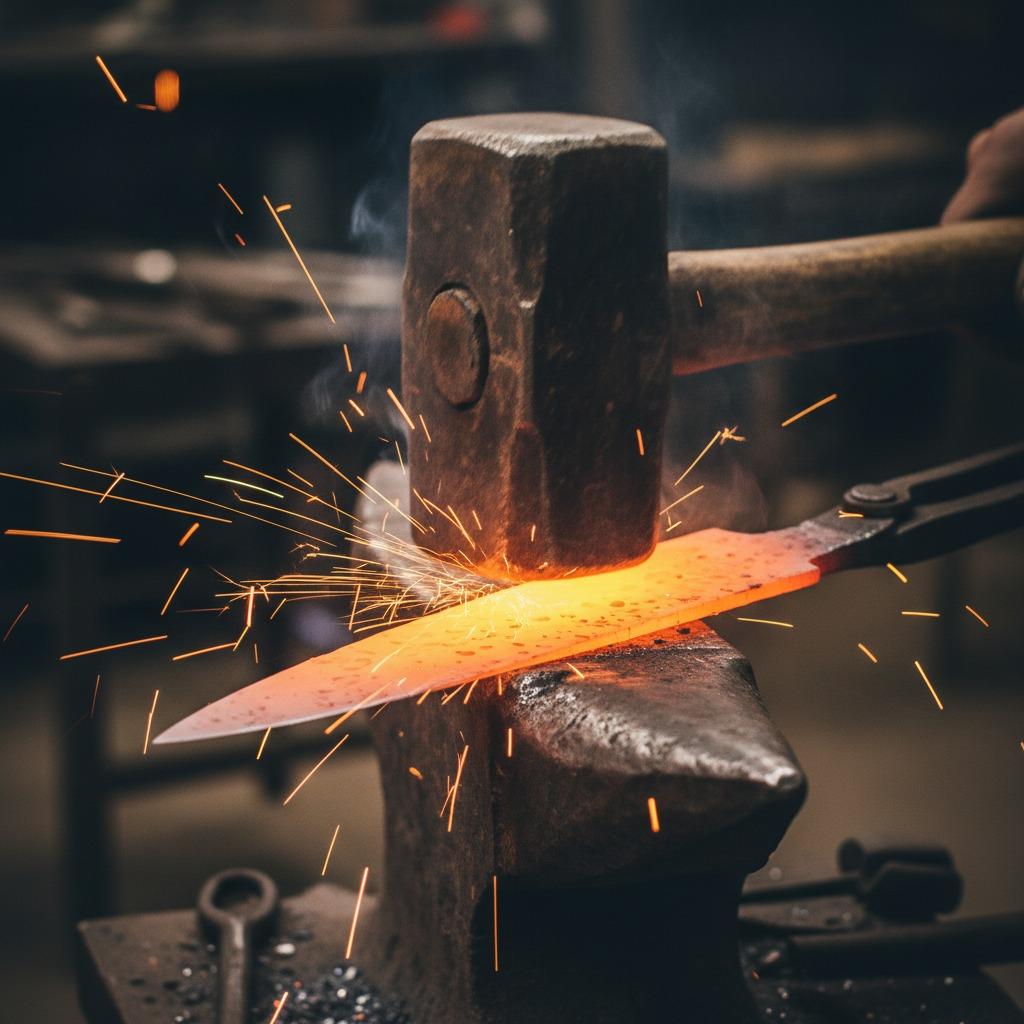
- Forging the Blade The steel is heated to over 1,100°C (≈2,000°F) until glowing bright orange, then hammered—either by hand or mechanical press—to shape the blade and refine its internal grain structure for superior durability.
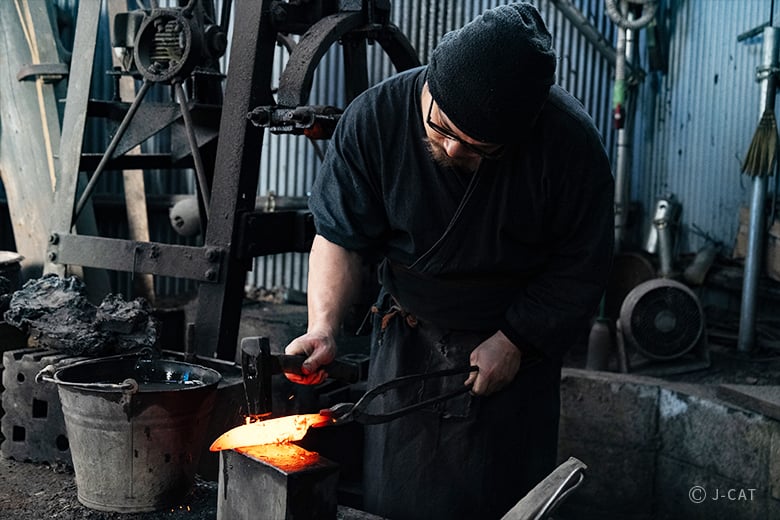
- Critical Heat Treatment This step defines performance: austenitizing (precise high-heat soak), quenching (rapid cooling in oil or air to achieve hardness), and tempering (controlled re-heating to balance brittleness and toughness). Most pro knives target 58–62 HRC.

- Precision Grinding & Edge Geometry The blade is ground to create primary and secondary bevels. Japanese styles often feature acute, thin edges for surgical slicing; Western designs may have more belly curve for rocking cuts.

- Handle Assembly & Finishing Durable handles (pakkawood, Micarta, stabilized wood) are riveted or epoxied on. Final polishing, etching (for Damascus patterns), and hand-sharpening complete the knife.
- Edge Honing & Quality Testing The final edge is refined on whetstones and tested—often by effortlessly slicing paper or ripe tomatoes.
:max_bytes(150000):strip_icc()/faw-product-king-whetstone-starter-set-1000-6000-nsimpson-4110-c9eb3efbdbed469693a44e3baedb3d2f.jpeg)

Product & Solution Comparison: Steel Choices Side-by-Side
Different steels suit different priorities. Here's how the most common professional-grade options compare.


| Steel Type | Edge Retention | Corrosion Resistance | Ease of Sharpening | Toughness / Chip Resistance | Hardness (HRC) | Typical Price Level | Best Suited For |
|---|---|---|---|---|---|---|---|
| VG-10 | Excellent | Good | Moderate | Good | 59–61 | Mid–High | Balanced daily pro use |
| AUS-8 / AUS-10 | Good | Excellent | Easy | Very Good | 57–59 | Mid | Heavy-duty, value-driven kitchens |
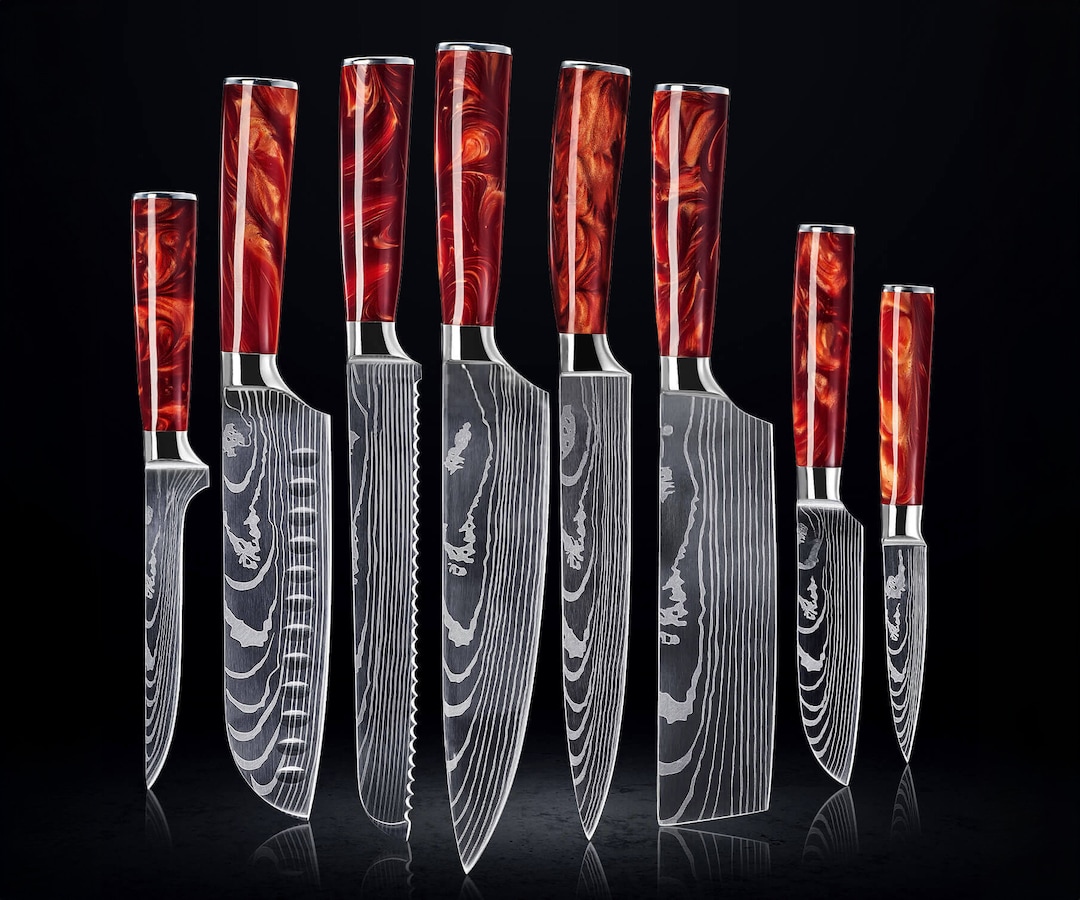
| Damascus (VG-10 core) | Excellent | Good | Moderate | Very Good | 60–62 | High–Premium | Showpiece + performance |
| High-Carbon (Blue #2, White #1) | Outstanding | Poor (needs care) | Very Easy | Good (can be brittle) | 60–63 | Mid–High | Precision-focused sharpeners |

Usage Scenario Comparison
| Scenario | Key Priorities | Recommended Steel / Style | Typical Knife Choice | Maintenance Level |
|---|---|---|---|---|
| Home / Enthusiast | Ease of care, balance, aesthetics | VG-10 or AUS-10 stainless; Japanese gyuto or Western chef's | 8" (20 cm) all-purpose chef's knife | Low–Medium |
| Commercial Kitchen | Durability under abuse, quick sharpening, affordability | AUS-8/AUS-10; forged or heavy stamped | Multiple backups: 8–10" workhorses | Medium |
| Wholesale / Bulk Procurement | Consistency, cost-per-unit, warranty, shared heavy use | Reliable AUS series or VG-10 equivalents; full-tang stamped/forged hybrids | Uniform sets for staff / resale | Low–Medium |
Professional & Industry Perspective
Chefs value:
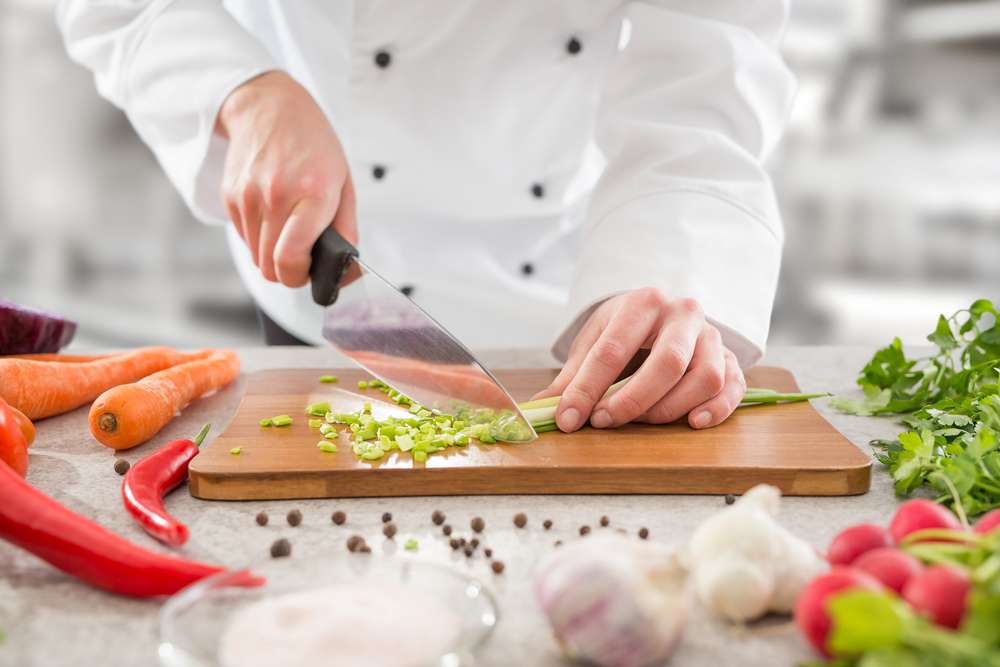
- Perfect balance — so the knife feels weightless during long shifts
- Thin, acute geometry — for clean, effortless cuts through dense produce
- Food release — hammered (tsuchime) or convex finishes reduce sticking
- Sharpening response — steels that take a keen edge quickly on whetstones
Many pros prefer Japanese-inspired blades for precision, while line cooks often favor tougher, more forgiving Western profiles for heavy chopping.
Knife Lifespan & Material Adaptability
With proper care (honing before use, hand-washing, immediate drying, board storage), quality knives last 10–30+ years.
- Stainless (VG-10, AUS series) → Most adaptable: rust-resistant, forgiving for humid kitchens or occasional neglect. Ideal for most homes and busy commercial lines.
- High-Carbon → Ultimate sharpness and sharpening joy, but demands daily wiping/oiling. Best for dedicated enthusiasts.
- Damascus → Stunning looks with strong core performance—great if aesthetics matter, but treat the core steel accordingly.
A professionally crafted chef knife represents decades of refined technique distilled into a single tool. The right one doesn't just cut—it elevates every prep task into something precise and enjoyable.
Ready to own a blade built this way? Browse our hand-selected collection of forged and precision-crafted professional chef knives—engineered to perform for years to come.