





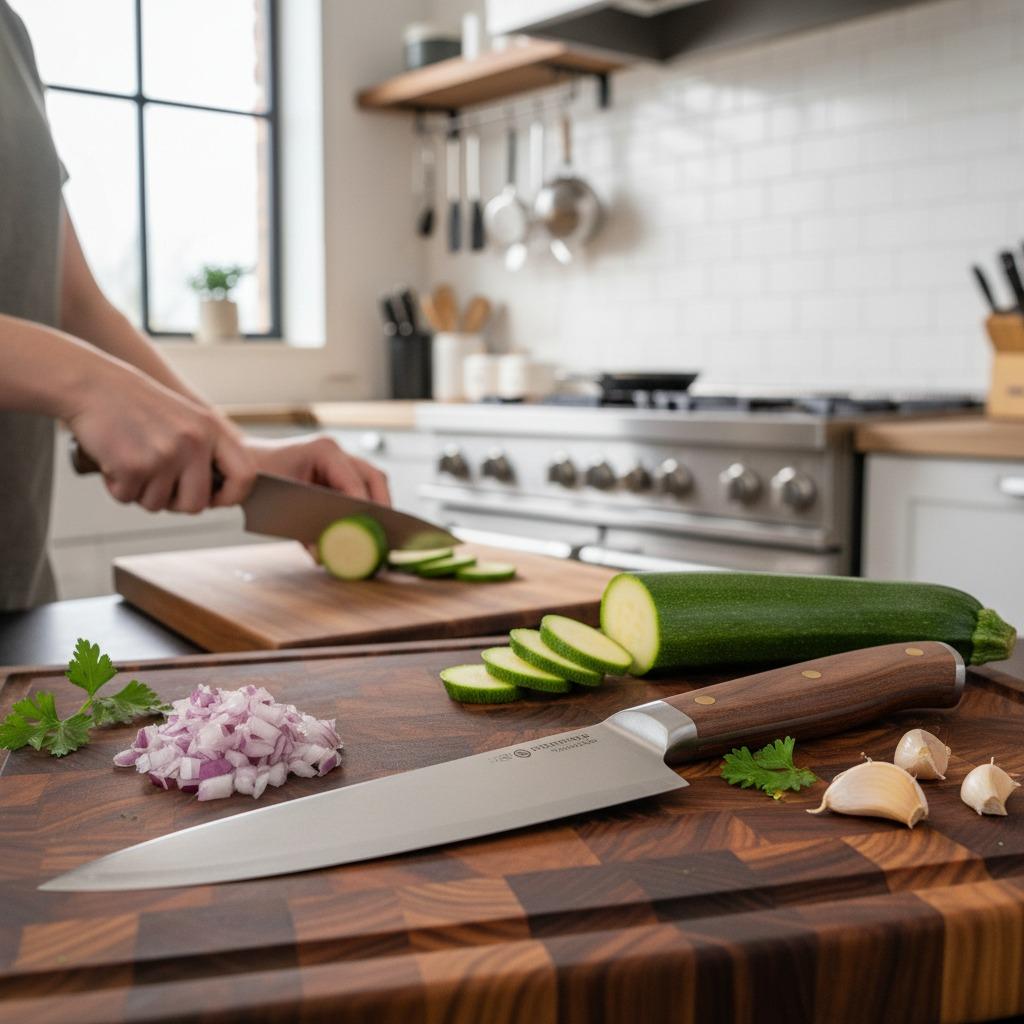
5 Essential Entry-Level Kitchen Knives Every Home Cook Needs
Stepping into the world of home cooking can be both exciting and a little overwhelming. One of the first things you'll encounter is the vast array of kitchen tools, particularly knives. It's easy to get lost in complex sets with dozens of specialized blades you might never use.
The truth is, you don't need a professional chef's arsenal to cook fantastic meals at home. A carefully selected handful of versatile, high-quality knives will serve you far better than a drawer full of mediocre ones. Investing in these core pieces will not only make your prep work more efficient but also safer and more enjoyable.
Here are the five essential entry-level kitchen knives that every home cook needs to confidently tackle almost any recipe.
1. The Workhorse: The Chef's Knife (8-inch)
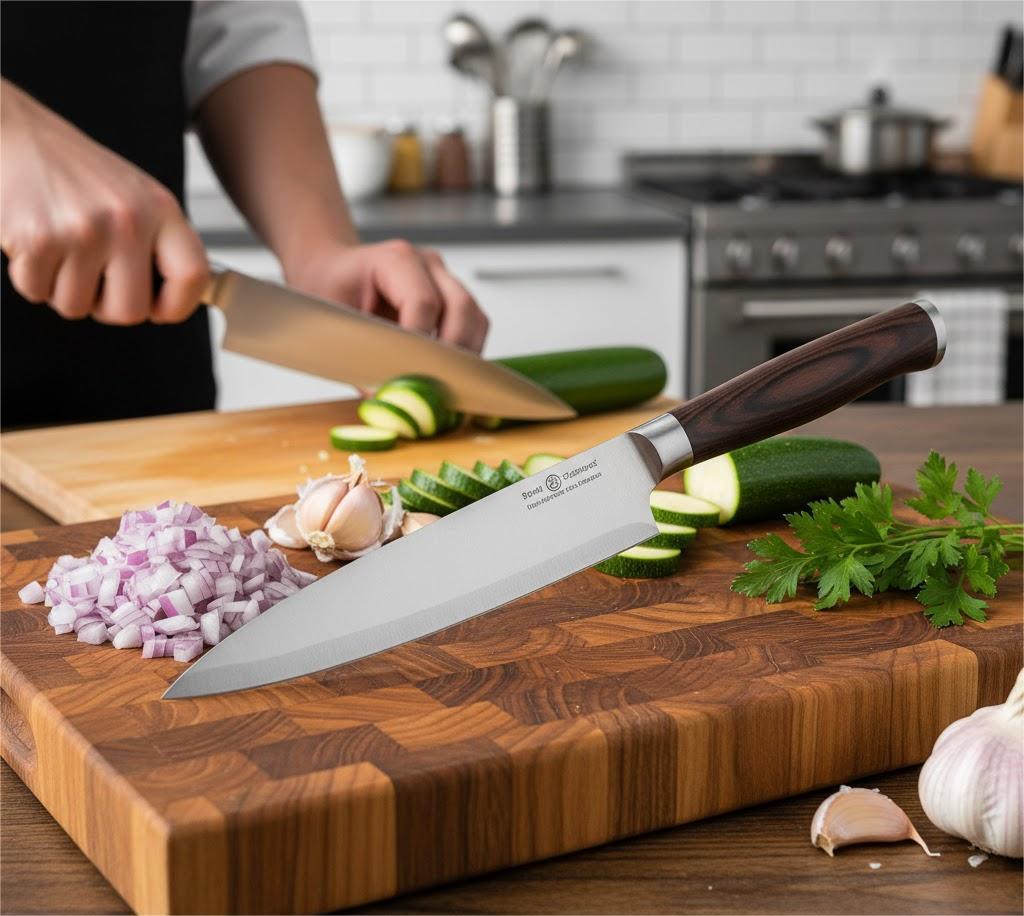
This is the undisputed king of the kitchen. If you buy only one knife, make it a good 8-inch Chef's knife. It's the most versatile tool you'll own.
-
What it is: A robust, broad blade with a distinct curve from the heel to the tip. This curvature allows for a smooth rocking motion during chopping.
-
What it does: Everything from mincing herbs and dicing vegetables to slicing meats and crushing garlic. Its weight and balance make it ideal for tackling larger or tougher ingredients.
-
Why you need it: It's your primary go-to for about 90% of your cutting tasks. An 8-inch blade offers the perfect balance of power and maneuverability for most home cooks.
2. The Detail Specialist: The Paring Knife (3.5-inch)
When a task requires precision and the Chef's knife feels too cumbersome, reach for the agile paring knife.
-
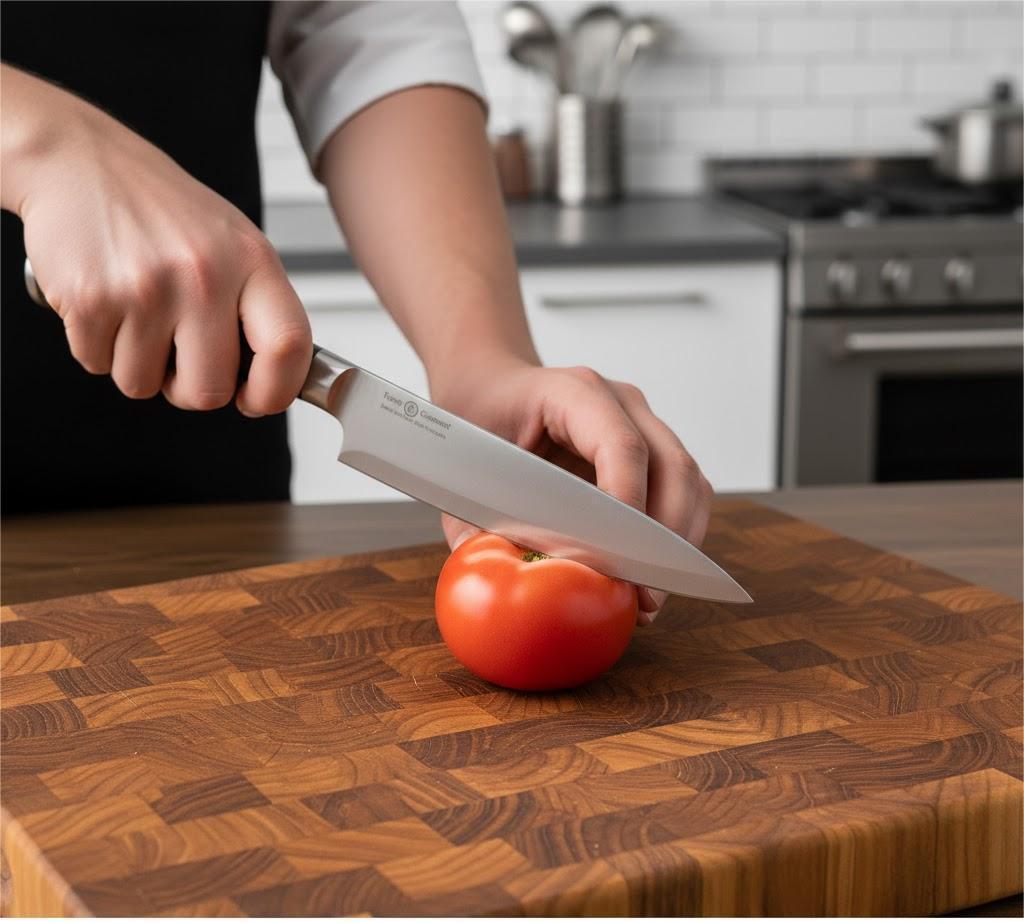
What it is: A small, short-bladed knife, typically with a plain edge and a pointed tip, designed for control.
-
What it does: Ideal for intricate tasks like peeling fruits and vegetables, coring tomatoes, hulling strawberries, trimming small imperfections, or deveining shrimp. Many of these tasks are often performed in hand.
-
Why you need it: Its small size makes it incredibly safe and effective for delicate work that larger knives simply can't handle with the same precision, preventing accidental cuts and wasted food.
3. The Crust Cracker: The Serrated Bread Knife (9-inch)
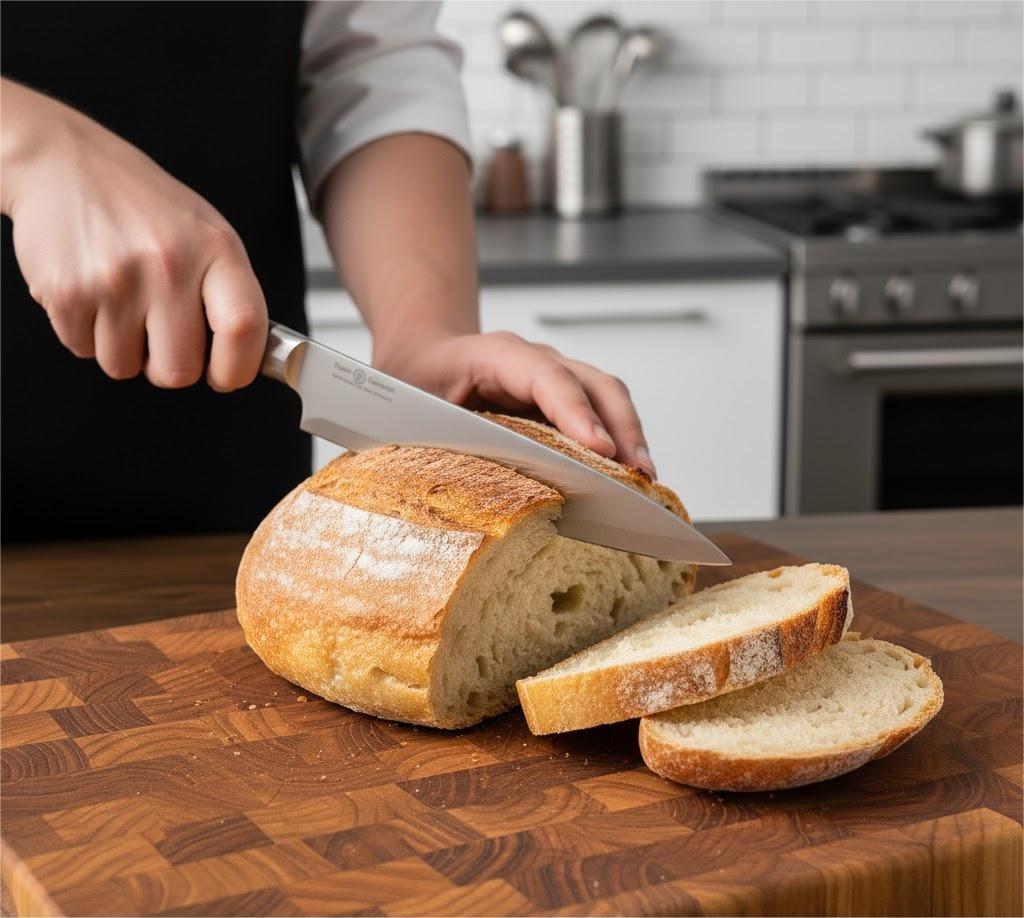
Trying to slice a fresh, crusty loaf of bread with a straight-edged knife is a recipe for disaster (and squashed bread). The serrated knife is your solution.
-
What it is: A long blade with a saw-like, scalloped or pointed edge.
-
What it does: Effortlessly saws through items with a tough exterior and a delicate interior. This includes artisan bread, soft cakes, pastries, and even ripe tomatoes where the serrations grip the skin without tearing.
-
Why you need it: A smooth blade would compress and tear these items. The serrated edge allows you to saw through them cleanly and efficiently, preserving their texture and appearance.
4. The Bridge: The Utility Knife (5-6 inch)
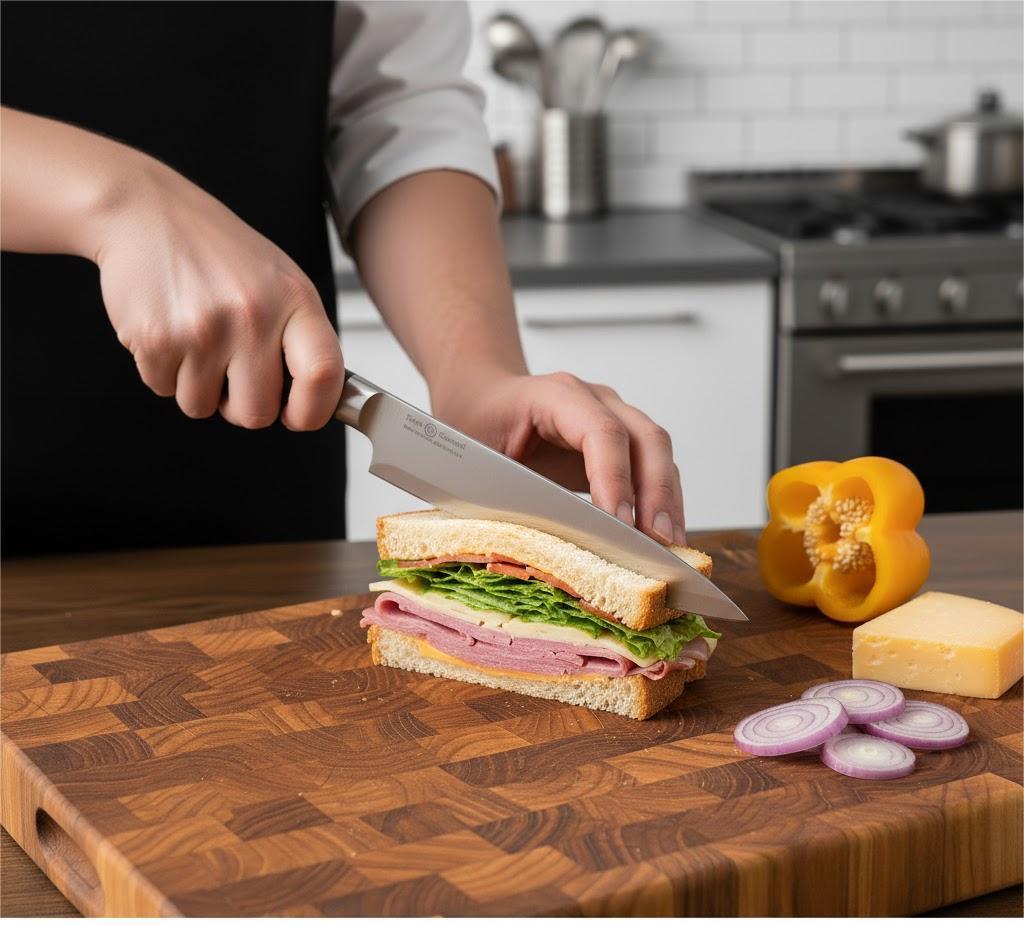
Filling the gap between the small paring knife and the large Chef's knife, the utility knife is a versatile mid-sized option you'll reach for often.
-
What it is: A slim blade, typically 5-6 inches long, that offers more maneuverability than a Chef's knife but more reach than a paring knife.
-
What it does: Excellent for slicing sandwiches, trimming smaller cuts of meat, cutting blocks of cheese, or working with medium-sized fruits and vegetables like apples, bell peppers, or shallots.
-
Why you need it: It provides optimal control for tasks that don't quite warrant the Chef's knife's size but are too large for the paring knife's limited reach. It becomes a fantastic all-rounder for many everyday prep tasks.
5. The All-Arounder: The Santoku Knife (7-inch)
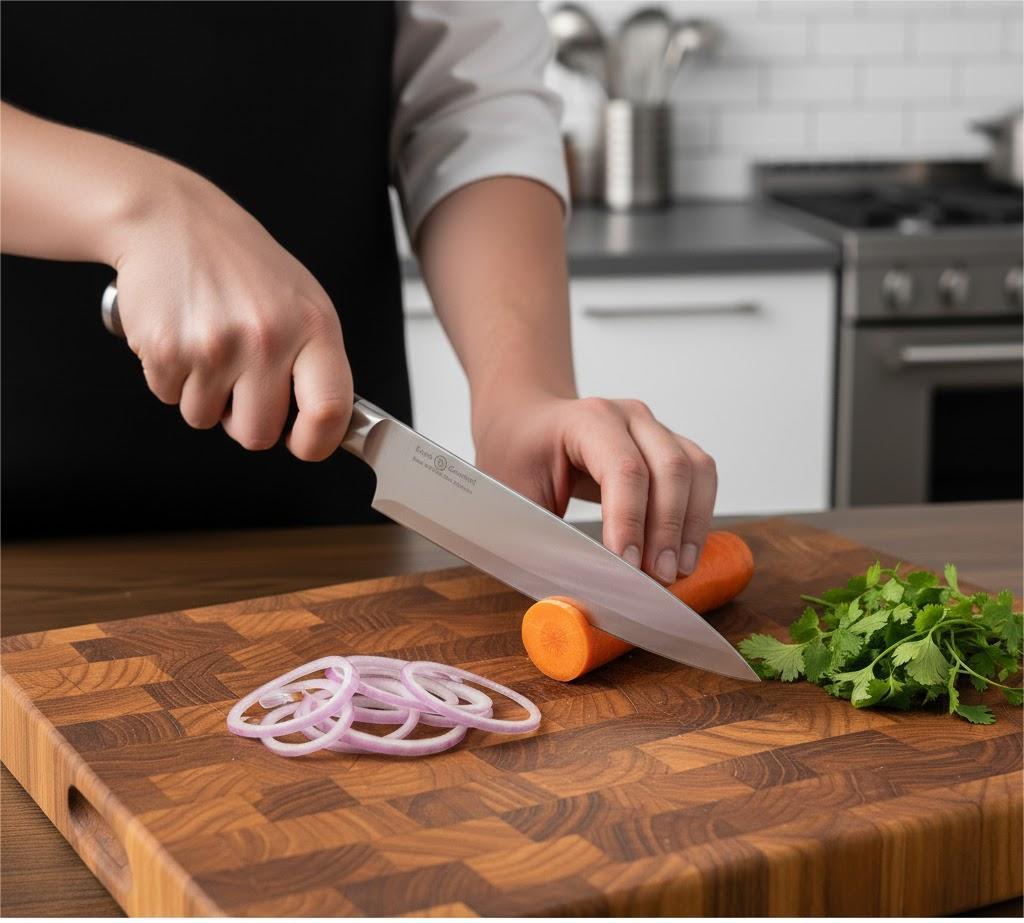
A Japanese-style knife that has gained immense popularity, the Santoku is an excellent complement to, or even an alternative for, the Western Chef's knife, especially for vegetable-heavy cooking.
-
What it is: Santoku means "three virtues" (slicing, dicing, and mincing). It typically has a straighter edge profile than a Chef's knife and often features a "Granton edge" (hollow indentations along the blade) to prevent food from sticking.
-
What it does: Excels at a push-cut motion for quick and efficient slicing, dicing, and mincing, particularly for vegetables. The flatter profile is great for scooping chopped ingredients off the board.
-
Why you need it: Many home cooks find its lighter weight and straighter edge easier to handle for precise, repetitive vegetable preparation. If you find the rocking motion of a Chef's knife awkward, a Santoku might be your preferred workhorse.
Summary and Comparison Table
To help you decide which knives are best for your needs, here's a quick reference guide:
| Knife Type | Common Size | Primary Use | Key Features | Why It's Essential |
| Chef's Knife | 8-inch (20 cm) | Chopping, dicing, slicing, mincing | Broad, curved blade; heavy and balanced | The ultimate multi-tasker; handles most general cutting. |
| Paring Knife | 3.5-inch (9 cm) | Peeling, coring, precise trimming | Small, sharp point; excellent control for delicate tasks. | Indispensable for intricate work where larger knives are too clumsy. |
| Serrated Knife | 9-inch (23 cm) | Slicing bread, cakes, tomatoes | Long, saw-like edge | Cuts through tough crusts and soft interiors without crushing. |
| Utility Knife | 5-6 inch (13-15 cm) | Slicing sandwiches, smaller fruits/veg | Slimmer blade; more maneuverable than a Chef's knife, more reach than a paring. | Fills the gap for mid-sized cutting tasks, offering versatile control. |
| Santoku Knife | 7-inch (18 cm) | Dicing, slicing, mincing (especially vegetables) | Flatter blade; often with Granton edge to prevent sticking. | Great for precise vegetable prep; alternative to a Chef's knife. |
By carefully selecting these five knives, you'll equip your kitchen with the fundamental tools necessary for efficient, enjoyable, and safe cooking. Remember to keep them sharp and clean, and they will serve you well for years to come!