





Ultimate Guide to Kitchen Knife Maintenance: Tips, Comparisons, and Best Practices
Kitchen knives are essential tools in any culinary setup, whether you're a home cook slicing vegetables or a professional chef prepping meals in a bustling restaurant. Proper maintenance not only keeps your blades sharp and efficient but also extends their lifespan, ensuring safety and precision in every cut. In this comprehensive guide, we'll cover the fundamentals of knife care, compare products and solutions, explore applicable scenarios, and delve into professional insights, lifespan impacts, and material adaptability.

The Basics of Kitchen Knife Maintenance
Maintaining your kitchen knives involves a few key steps: cleaning, honing, sharpening, and proper storage. Following these routines can prevent dullness, rust, and damage.
Cleaning Your Knives
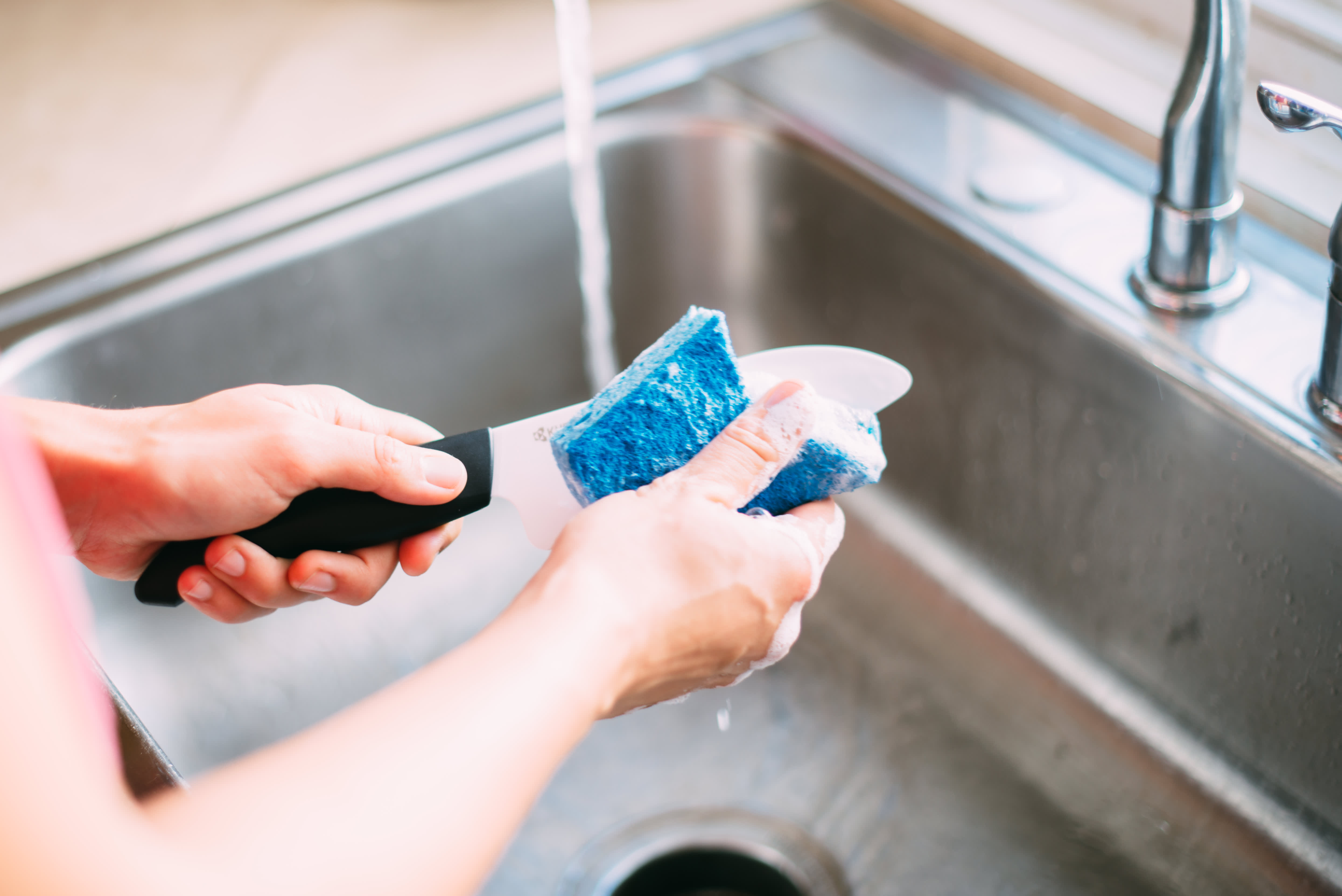
Always clean your knives immediately after use to avoid food residues hardening on the blade. Use warm soapy water and a soft sponge, rinsing under running water. Avoid dishwashers, as the high heat and detergents can cause corrosion or dulling. Dry the knife thoroughly with a soft cloth to prevent moisture-related issues.
Honing for Edge Alignment
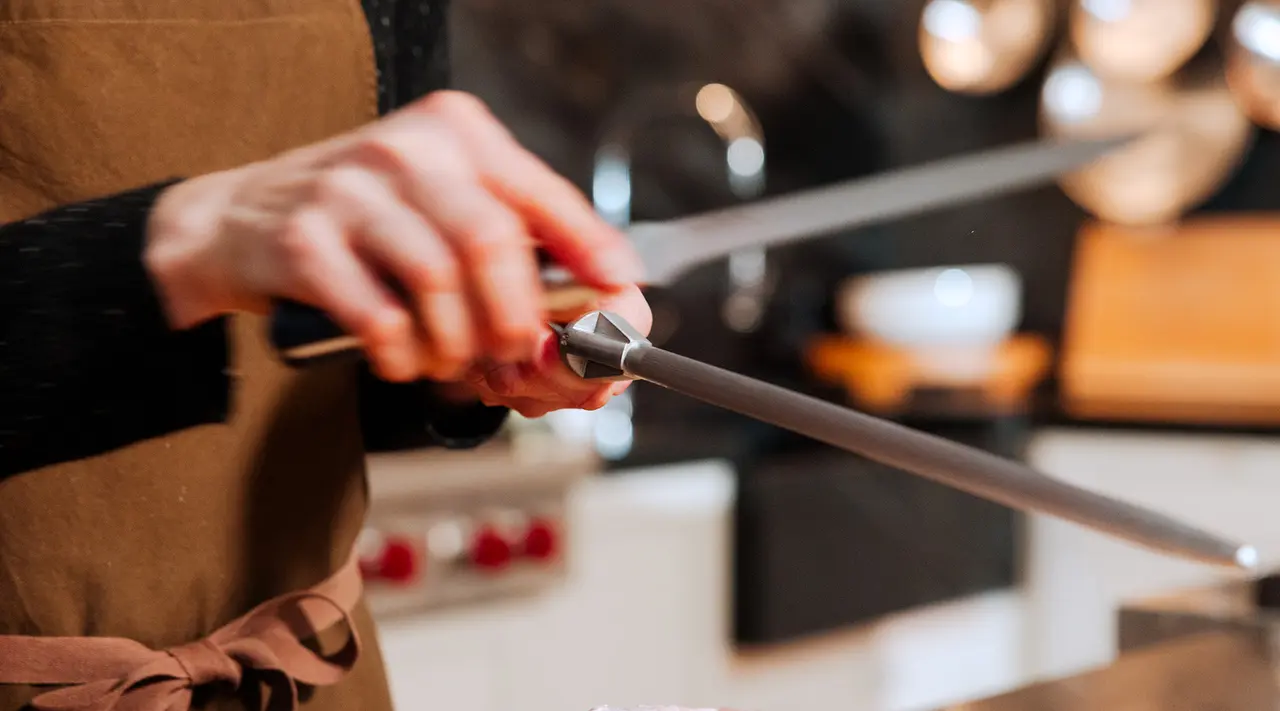
Honing realigns the knife's edge without removing metal. Use a honing steel before or after each use by holding the steel vertically and sliding the blade along it at a 15-20 degree angle. This keeps the edge straight and ready for precise cuts.
Sharpening to Restore Sharpness
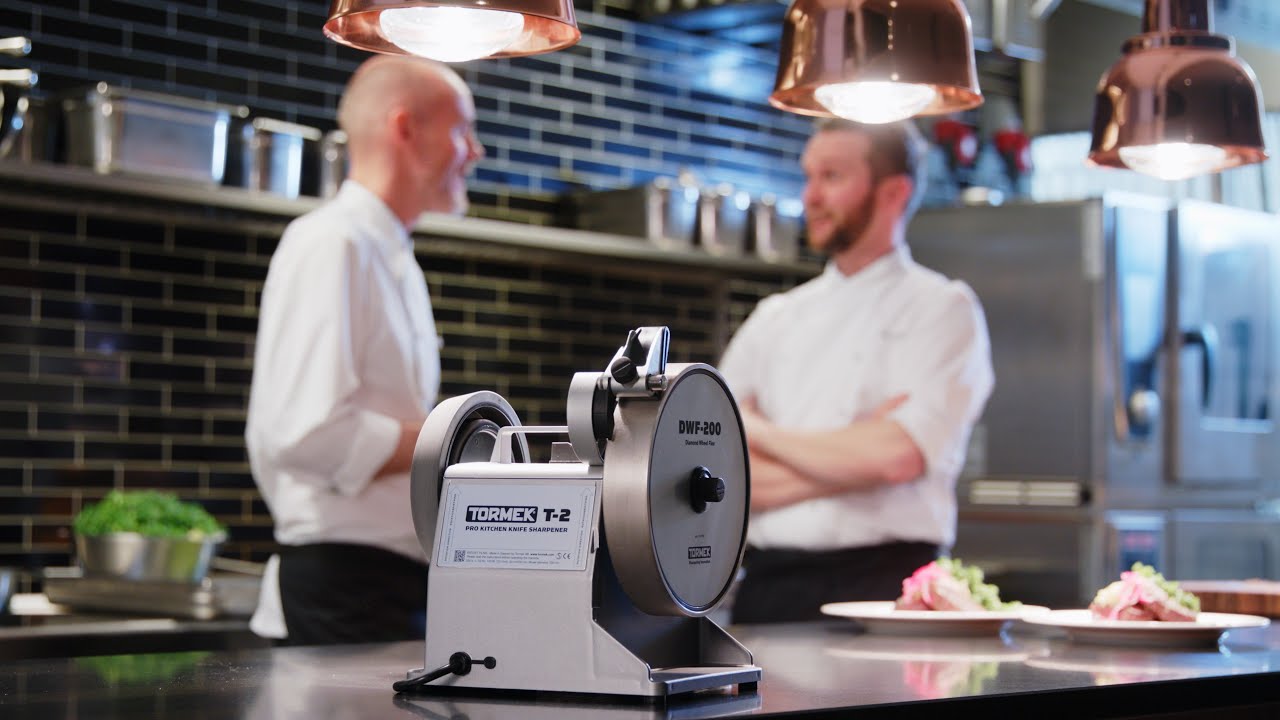
When honing isn't enough, sharpening removes small amounts of metal to create a new edge. Whetstones are ideal for this—soak the stone, then glide the blade across it at the correct angle. Electric sharpeners offer convenience but may be harsher on delicate blades.
:max_bytes(150000):strip_icc()/__opt__aboutcom__coeus__resources__content_migration__serious_eats__seriouseats.com__2010__04__20200220-knife-sharpening-whetstone-vicky-wasik-5c825782502c4a429c08d0039d1df051.jpg)
Proper Storage Solutions
Store knives in a way that protects the edges. Knife blocks, magnetic strips, or sheaths prevent blades from knocking against other utensils, reducing nicks and dulling.

Product and Solution Comparison
Choosing the right maintenance products depends on your needs. Here's a comparison of common sharpening solutions:
| Product/Solution | Pros | Cons | Best For |
|---|---|---|---|
| Whetstone (Manual) | Precise control, cost-effective, suitable for all materials | Requires skill and time | Enthusiasts and professionals seeking custom edges |
| Honing Steel | Quick edge alignment, no metal removal | Doesn't sharpen dull blades | Daily maintenance in busy kitchens |
| Electric Sharpener | Fast and easy for beginners | Can overheat blades, less precise | Home users with limited time |
| Pull-Through Sharpener | Affordable, user-friendly | May damage fine edges over time | Casual cooks or budget-conscious buyers |
This table highlights how manual methods like whetstones offer longevity benefits, while automated ones prioritize convenience.
Applicable Scenarios Comparison
Knife maintenance varies by context. Below, we compare approaches for home, commercial kitchens, and wholesale procurement:
| Scenario | Frequency of Maintenance | Recommended Tools | Key Considerations |
|---|---|---|---|
| Home Kitchen | Weekly honing, monthly sharpening | Honing steel, basic whetstone | Focus on safety and ease; avoid over-sharpening to prevent accidents |
| Commercial Kitchen | Daily honing, weekly sharpening | Professional-grade whetstones, electric sharpeners | High-volume use demands durable tools; prioritize speed to minimize downtime |
| Wholesale Procurement | Bulk inspections and initial sharpening | Industrial sharpeners, storage racks | Cost-efficiency for large quantities; ensure compatibility with various materials for resale |
In home settings, simplicity reigns, while commercial environments emphasize efficiency and durability. Wholesale buyers should invest in scalable solutions to maintain inventory quality.
Professional and Industry Perspective
From a chef's viewpoint, knife maintenance is non-negotiable for performance and hygiene. In professional kitchens, dull knives increase injury risks and slow down operations. Industry standards, like those from culinary associations, recommend regular honing to maintain edge integrity. Chefs often prefer Japanese whetstones for their grit variety, allowing tailored sharpening. In high-end restaurants, dedicated sharpening services ensure blades meet food safety regulations.
Impact on Knife Lifespan
Neglecting maintenance can drastically shorten a knife's life. For instance, improper cleaning leads to rust, while poor storage causes chipping. Regular care, however, can double or triple lifespan— a well-maintained stainless steel knife might last 10-15 years versus 2-5 years if abused. Visual evidence shows the difference: rusty blades become brittle and unsafe, while cared-for ones retain their shine and sharpness.
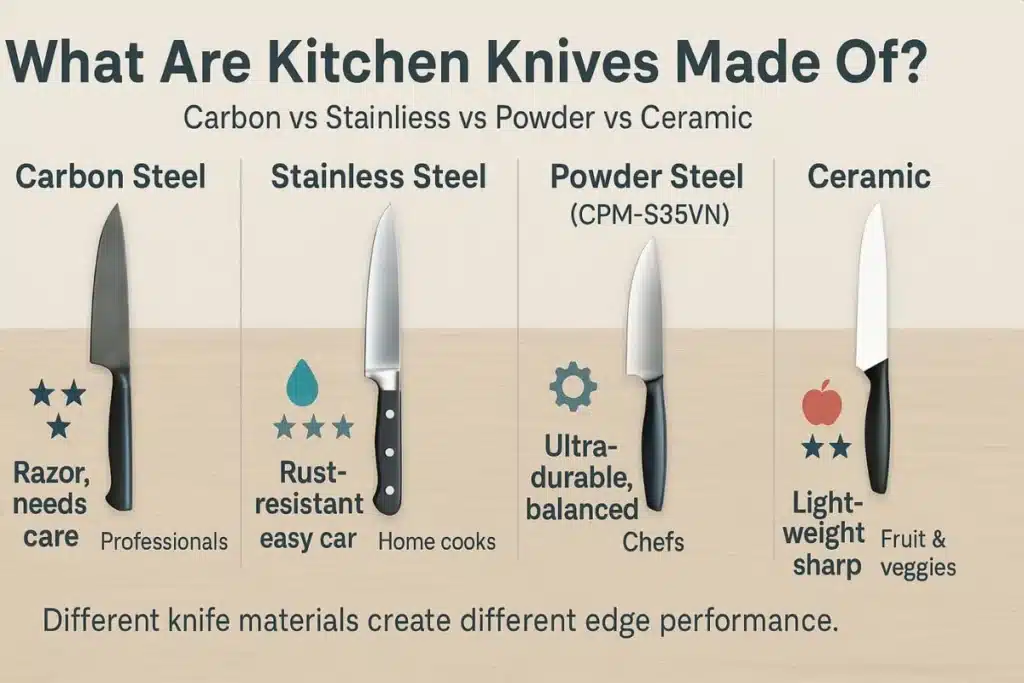
Adaptability to Different Knife Materials
Maintenance must suit the knife's material for optimal results:
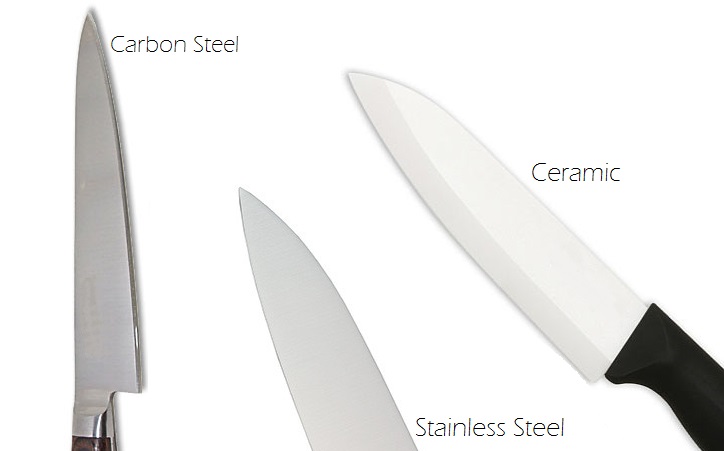
- Stainless Steel: Rust-resistant; hone frequently, sharpen moderately. Avoid harsh abrasives.
- Carbon Steel: Holds a sharp edge longer but rusts easily; dry immediately after cleaning and oil lightly.
- Ceramic: Extremely hard; use diamond sharpeners only, as traditional stones won't work. Fragile, so store carefully.
Each material requires specific techniques to maximize durability and performance.
Conclusion
Investing time in kitchen knife maintenance pays off in safety, efficiency, and cost savings. Whether for home use, commercial operations, or wholesale, tailored approaches ensure your blades stay in top condition. Start with the basics today, and explore our range of knives and tools to elevate your culinary experience.