





The Ultimate Guide to Pinking Shears: Everything You Need to Know
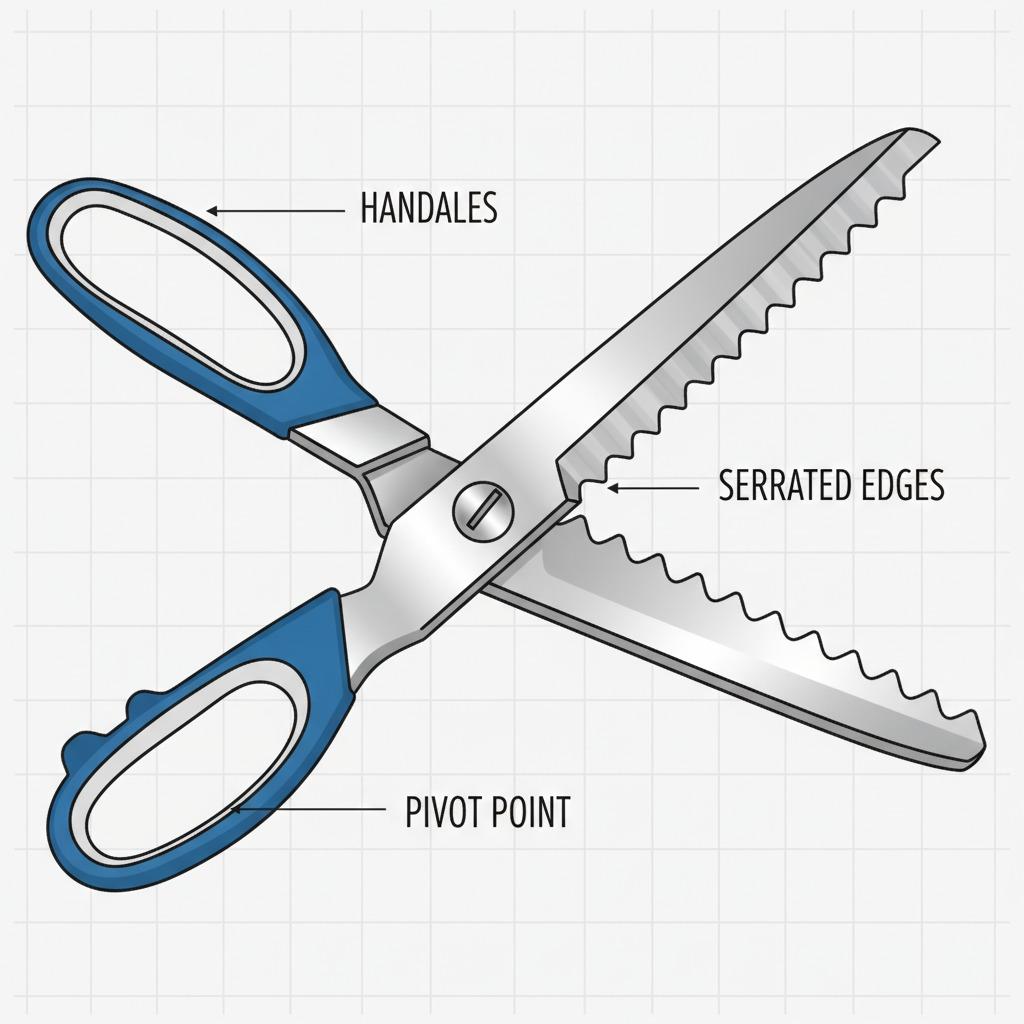
Pinking shears, also known as zigzag scissors, are a staple in the world of sewing and crafting. These specialized scissors feature serrated blades that create a jagged, zigzag edge on fabric, primarily to prevent fraying. Invented in the 1930s, they revolutionized seam finishing before the advent of sergers and overlock machines.

Whether you're a hobbyist quilter, a professional tailor, or sourcing for wholesale, understanding pinking shears can elevate your projects. This guide covers their uses, comparisons, scenarios, and maintenance, drawing from expert insights.
What Are Pinking Shears and How Do They Work?
Pinking shears cut fabric on the bias, creating small V-shaped notches that interrupt the weave and reduce unraveling. They're ideal for woven fabrics like cotton, linen, or wool, but less effective on knits or silks.
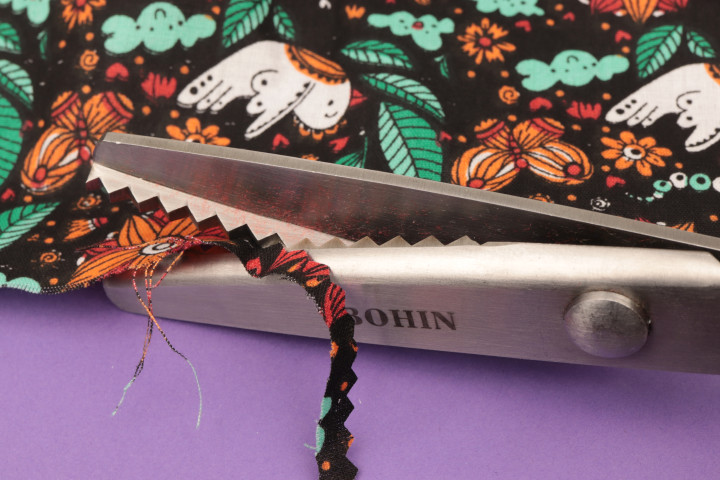
Unlike straight-bladed scissors, the zigzag pattern also serves decorative purposes, adding a textured finish to edges. Key benefits include:
- Fray Prevention: Essential for raw seams in garments or quilts.
- Curve Clipping: Quickly notches curves without multiple snips.
- Speed: Faster than serging for simple projects.
From sources like Kearing and Threads Monthly, pinking shears are recommended for single-layer cuts to maintain even patterns.
Types of Pinking Shears
Pinking shears vary in blade size, handle design, and material. Common types include:
- Standard 8-9 Inch Shears: Versatile for general sewing.
- Heavy-Duty Professional Models: For thick fabrics or frequent use.
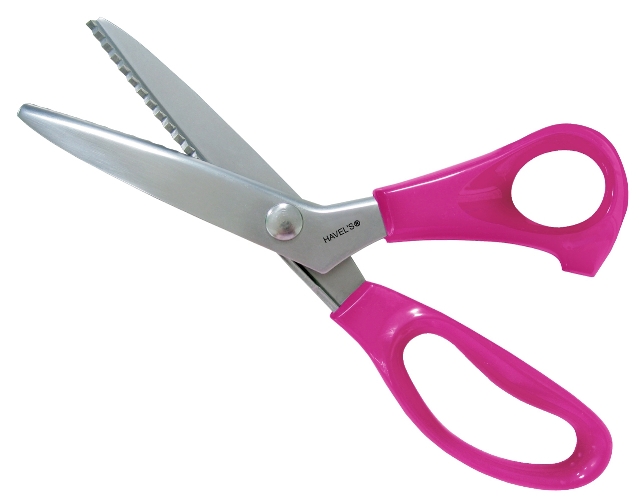
- Ergonomic Handles: Reduce hand strain for extended sessions.
Popular brands like Kai, Gingher, and Kearing offer options with titanium coatings or soft grips.

Product and Solution Comparison
When choosing pinking shears, compare based on features, price, and performance. Here's a table summarizing top models from reliable sources:
| Product | Blade Material | Key Features | Price Range (USD) | Best For |
|---|---|---|---|---|
| Kearing 9″ Pinking Shears | Stainless Steel | Lightweight, 5mm teeth, ergonomic handle | $15-25 | Everyday home sewing, smooth cuts on light fabrics. |
| Kearing Professional 9″ | 420-Grade Stainless Steel with Titanium Finish | Full-metal, durable, precision edges | $30-50 | Professional tailors, heavy use on multiple layers. |
| Kai 8″ Pinking Shears | High-Carbon Steel | Comfortable grip, cuts thick fabrics easily | $20-35 | Quilting and curved seams, long blade for efficiency. |
| Gingher Pinking Shears | Chrome-Plated Steel | Knife-edge blades, corrosion-resistant | $40-60 | High-end sewing, precise zigzag for synthetics. |
| Prym 23cm Pinking Shears | Stainless Steel with Plastic Handle | Affordable, steady cuts | $10-20 | Beginners, basic edge finishing. |
Alternatives like serrated scissors or rotary pinking blades offer solutions for those avoiding traditional shears—rotary options are faster for straight lines but less precise on curves.
Applicable Scenario Comparison: Home, Commercial, and Wholesale Purchase
Pinking shears adapt to different contexts:
- Home Use: Ideal for casual crafters. Lightweight models like Kearing 9″ suit occasional quilting or garment repairs. Focus on comfort and affordability—expect to spend $15-30. They prevent fraying in DIY projects without needing advanced tools.
- Commercial Use: In tailoring shops or design studios, opt for durable options like Gingher or Kearing Professional. These handle high-volume cutting on tough fabrics, with features like ball joints for smooth operation. Cost: $30-60 per pair, emphasizing longevity over initial price.
- Wholesale Purchase: For bulk buyers (e.g., sewing schools or retailers), brands like Fiskars or Kai offer value packs. Consider stainless steel for rust resistance in storage. Wholesale pricing drops to $10-20 per unit in lots of 50+, prioritizing consistency and minimal maintenance. Compare suppliers via platforms like BestChoice.com for bulk deals.
Professional and Industry Perspective
From a tailor's viewpoint, pinking shears are indispensable for quick seam finishes in fashion design.
Professionals like those at HoopTalent emphasize slow, single-layer cuts for even zigzags, especially on bias edges. In quilting communities (e.g., Facebook groups), users praise them for pre-cutting fabrics to reduce fraying during piecing. Industry experts note their role in sustainable sewing by minimizing waste from unraveled edges. For commercial settings, ergonomic designs prevent repetitive strain injuries, as highlighted in sewing blogs.
Impact on Scissors Lifespan
Lifespan varies by usage and care. High-quality shears like Gingher can last decades with proper maintenance—avoid cutting paper, which dulls blades quickly. Factors influencing longevity:
- Frequency of Use: Daily commercial use may require sharpening every 6-12 months; home use extends this to 2-5 years.
- Fabric Type: Thick or synthetic materials wear blades faster than cottons.
- Storage: Keep oiled and in a sheath to prevent rust.
- Sharpening: Professional sharpening is recommended, as DIY methods risk misalignment. Poor maintenance can halve lifespan, leading to stiff cuts or "chewing" fabric.
Adaptability of Different Scissors Materials
Material choice affects performance and suitability:

- Stainless Steel: Rust-resistant, affordable, and adaptable to most fabrics. Ideal for humid environments or beginners (e.g., Prym or Westcott). Drawback: May dull faster on heavy materials.
- High-Carbon Steel: Sharper and more durable for professional use (e.g., Kai). Excels on thick layers but prone to corrosion without care. Best for commercial adaptability.
- Titanium-Coated Steel: Enhances strength and edge retention (e.g., Kearing Professional). Adapts to synthetics without sticking, extending lifespan in wholesale scenarios.
- Chrome-Plated: Offers corrosion protection for long-term storage, suitable for all scenarios but heavier.
Choose based on your primary fabrics—stainless for versatility, carbon for precision.
How to Use and Maintain Pinking Shears
To use: Align teeth with previous cuts for continuity, cut slowly on flat surfaces.

Maintenance tips:
- Clean blades after use.
- Oil pivot points monthly.
- Store dry and separate from other tools.
If stiff, check for debris or consider professional servicing.
Conclusion
Pinking shears are versatile tools that bridge simplicity and professionalism in sewing. By comparing products, scenarios, and materials, you can select the perfect pair for your needs. Invest in quality for longevity, and enjoy fray-free creations! For more sewing essentials, explore brands like those mentioned.