





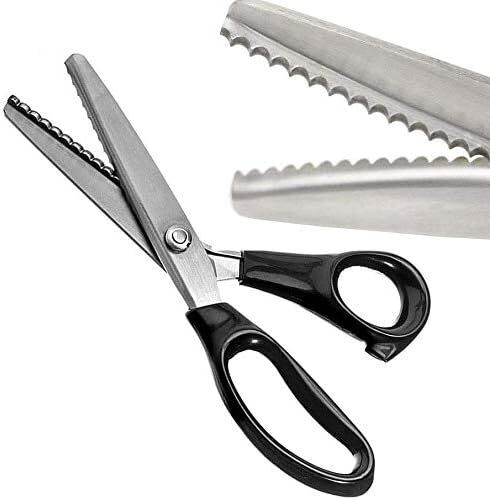
The Ultimate Guide to Decorative Edge Scissors
Decorative edge scissors (also called paper edgers or patterned scissors) are a must-have for crafters, scrapbookers, and anyone who loves adding a touch of whimsy to paper, fabric, or other materials. These specialized scissors feature unique blade designs that create patterned edges like zigzags, waves, scallops, or torn-paper looks—no fancy tools required. Whether you're trimming photos, making cards, or finishing seams in sewing, they turn ordinary cuts into eye-catching details.

A Quick History
Pinking shears (the zigzag type) date back to the 19th century and were originally invented to prevent fabric from fraying. Over time, crafters expanded the concept into fun patterns for paper and mixed media. Today, brands like Fiskars, EK Success, and Mr. Pen offer dozens of designs.
Popular Types of Decorative Edges
Here are some of the most common patterns:
1. Pinking Shears (Zigzag)
The classic choice for fabric to stop fraying, but also great for paper borders.

2. Scalloped
A soft, wavy seashell-like edge—perfect for invitations or feminine projects.

3. Wave or Ripple
Gentle curves that mimic ocean waves or clouds—ideal for beach-themed crafts.

4. Deckle
Mimics the rough, hand-torn edge of old paper—excellent for vintage or elegant looks.
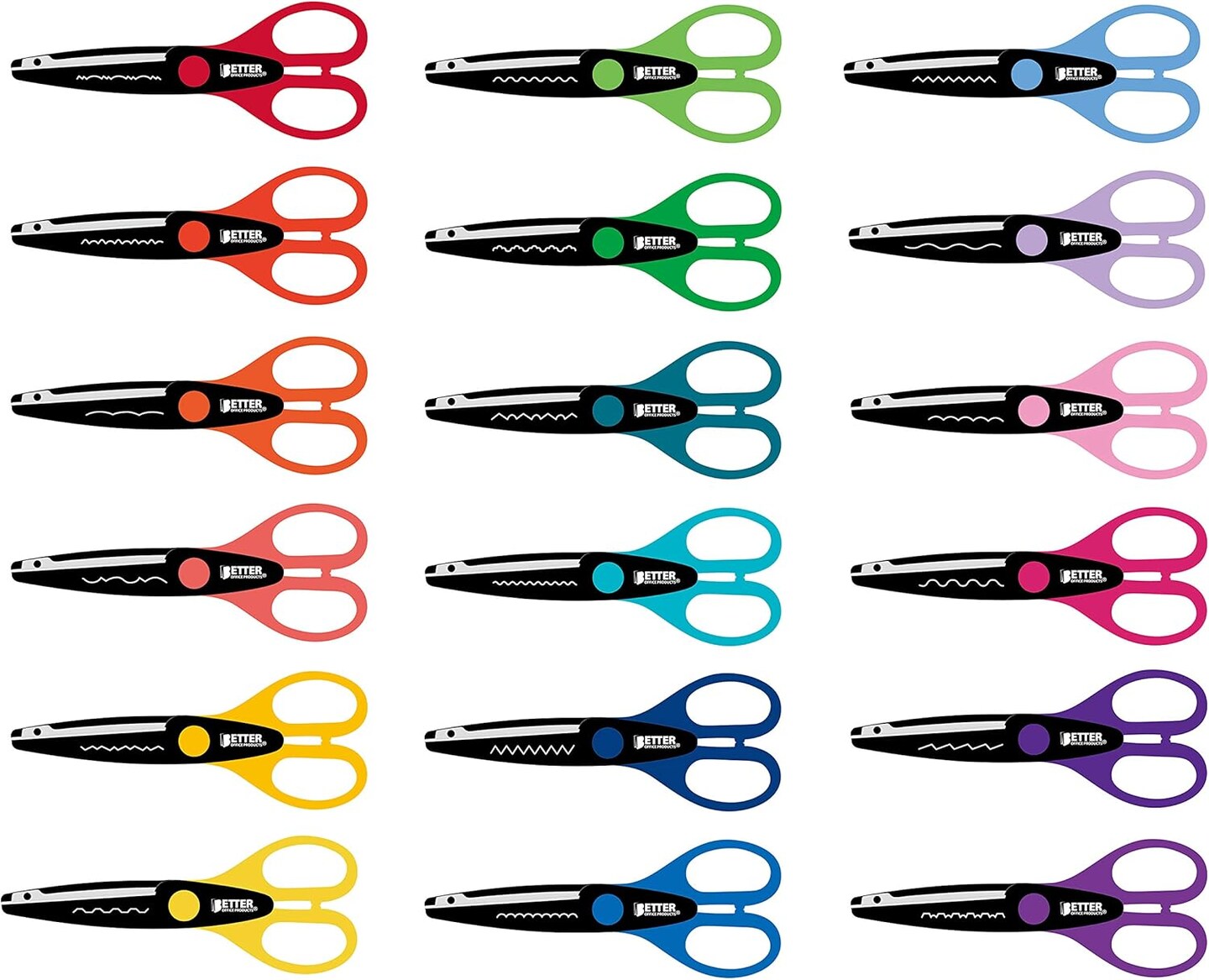
Many sets include multiple patterns, so you can mix and match.
How to Choose the Right Pair
- Material: Look for stainless steel blades for durability.
- Size: Smaller (5-6 inches) for detail work; larger for fabric.
- Grip: Ergonomic handles reduce hand fatigue.
- Set vs. Single: Starter sets (6-12 patterns) offer variety.
- Purpose: Fabric scissors need stronger blades; paper ones are lighter.
How to Use Them Effectively
- Hold the scissors at a 90-degree angle to the material.
- Cut in short, steady strokes—don’t force it.
- For straight lines, use a ruler as a guide.
- On fabric, cut with the grain; on paper, align the pattern for seamless repeats.
- Layer cuts: Trim with one pattern, then offset another for a framed effect.

Tips and Tricks
- Test on scrap paper first to preview the pattern.
- Clean blades with alcohol to remove glue or ink buildup.
- For precise repeats, mark starting points.
- Combine with punches or dies for layered designs.
- Use on photos carefully—some patterns can cut through images oddly.
Maintenance and Care
- Wipe blades after use.
- Oil the pivot occasionally.
- Store in a dry place—avoid dropping.
- Never use on heavy materials if designed for paper.
Creative Project Ideas
- Scrapbook borders and photo mats.
- Handmade cards and gift tags.
- Fabric appliqués or quilt bindings.
- Kids’ art projects (they love the fun patterns!).
- Custom bookmarks or journal pages.
Decorative edge scissors are affordable, versatile, and instantly elevate your projects. Start with a basic set, experiment with patterns, and watch your creativity flourish! What’s your favorite pattern? Share in the comments. Happy crafting! ✂️