





The Ultimate Guide to Choosing the Right Plastic Cutting Board
In every kitchen, a reliable Cutting Board is essential for safe, efficient food preparation. Plastic Cutting Boards have become a favorite among home cooks and professionals alike for their hygiene, convenience, and versatility. Whether you're chopping vegetables, slicing meat, or preparing seafood, selecting the perfect plastic Cutting Board can elevate your cooking experience while keeping your family safe from cross-contamination.
This ultimate guide walks you through everything you need to know — from materials and features to maintenance and comparisons — so you can choose the ideal plastic Cutting Board for your kitchen.
Why Choose a Plastic Cutting Board?
Plastic Cutting Boards offer several advantages that make them a smart investment:
- Hygienic and easy to sanitize: Non-porous surface resists bacteria when properly cleaned.
- Lightweight and portable: Easy to move around or store.
- Knife-friendly: Softer than glass or granite, reducing blade dulling.
- Dishwasher-safe (most models): Quick cleanup.
- Affordable and durable: Great value with proper care.
They’re also color-coded for food safety — a must in busy kitchens.

Color Coding System: Prevent Cross-Contamination
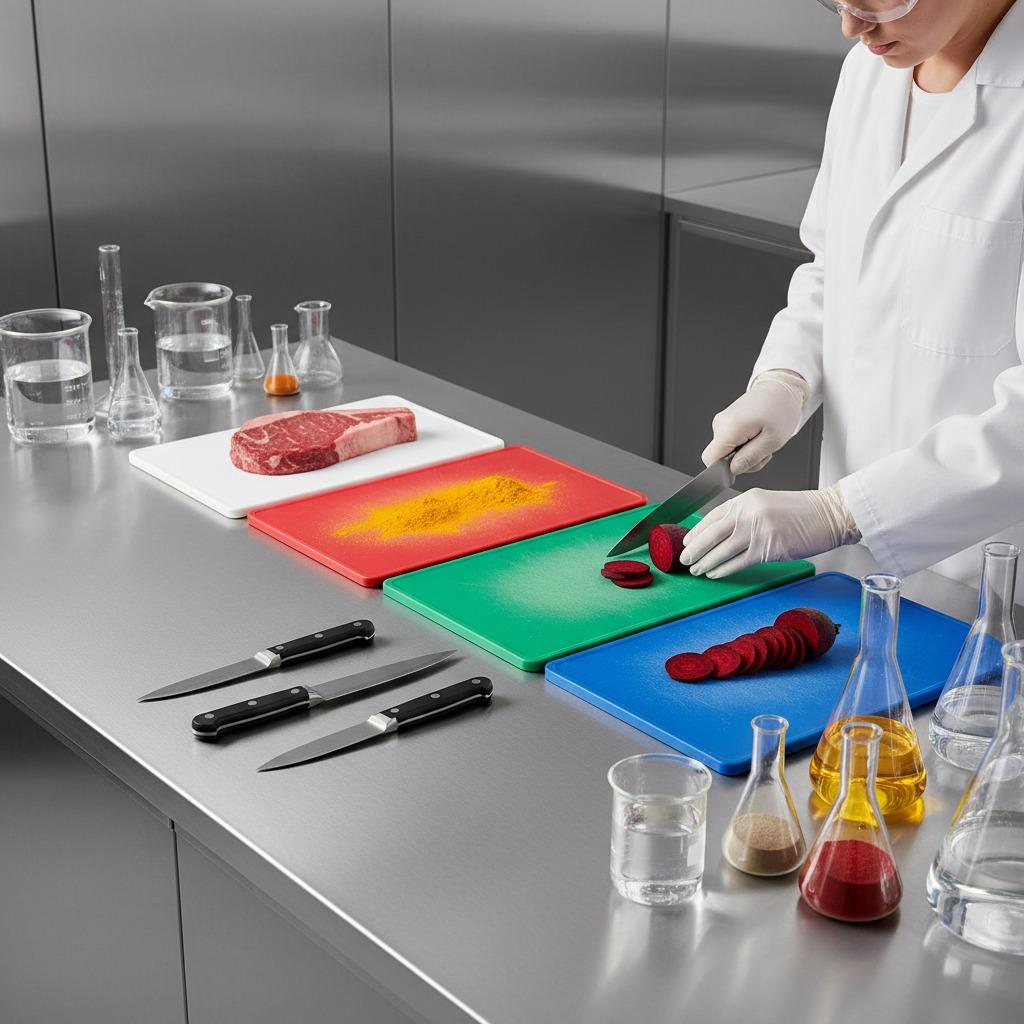
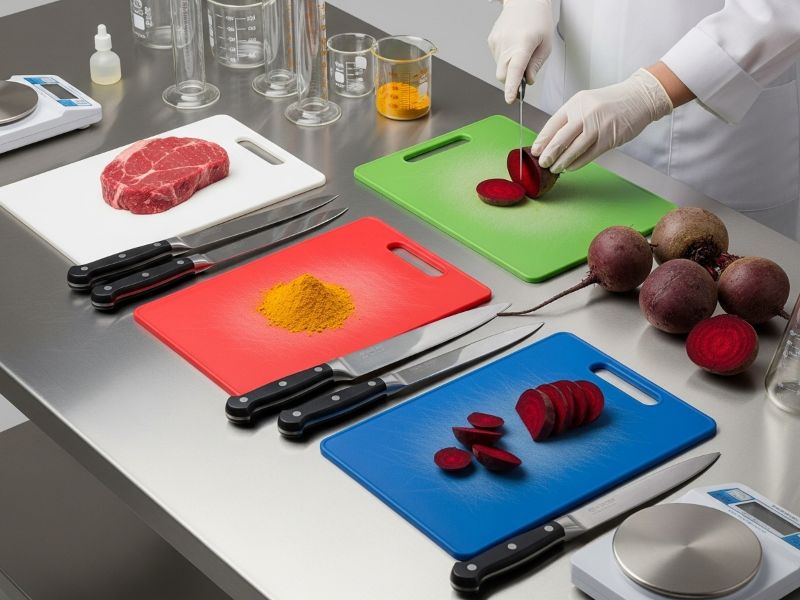
One of the biggest benefits of plastic Cutting Boards is the built-in color-coding system recommended by food safety experts. Assigning a specific color to each food type eliminates the risk of bacteria transfer.
Here’s the standard system:
| Color | Recommended Use |
|---|---|
| Red | Raw meat (beef, pork, lamb) |
| Blue | Raw fish and seafood |
| Green | Vegetables and fruits |
| White | Dairy, bread, and ready-to-eat foods |
| Yellow | Cooked meats or poultry |
Using dedicated plastic Cutting Boards for each category is one of the simplest ways to maintain kitchen hygiene.
Key Factors to Consider When Buying a Plastic Cutting Board
Not all plastic Cutting Boards are created equal. Focus on these features for the best performance:
- Material: High-density polyethylene (HDPE) or polypropylene — both food-safe and BPA-free. HDPE is thicker and more resistant to warping.
- Size & Thickness: At least ½ inch thick for stability; choose 12×16 inches or larger for most home kitchens.
- Non-Slip Base: Rubber feet or textured edges prevent sliding.
- Juice Groove: Essential for meats to catch liquids.
- Handle & Hanging Hole: For easy storage.
:max_bytes(150000):strip_icc()/1500x1000-sea-cuttingboard-update-54c73a77e3e143fe87b27cba1dfe33ac.jpg)
Look for boards labeled “NSF-certified” or “commercial grade” for extra durability.
Proper Usage Tips for Your Plastic Cutting Board
Always use a sharp knife and let the board do the work. Here’s a safe chopping technique on a high-quality plastic Cutting Board:
:max_bytes(150000):strip_icc()/misen-plastic-cutting-board-grace-kelly-01-279028e7d0c54f6eb82bbb9db2744e9f.jpg)
Replace your plastic Cutting Board when deep grooves appear — usually after 1–2 years of heavy use.
Maintenance & Cleaning Guide
Keeping your plastic Cutting Board in top shape is easy:
- Wash immediately after use with hot soapy water.
- Sanitize weekly with a vinegar solution (1:1 ratio) or diluted bleach (1 tsp per quart of water).
- Air-dry upright — never store flat while wet.
- Most are dishwasher-safe on the top rack; check the label.
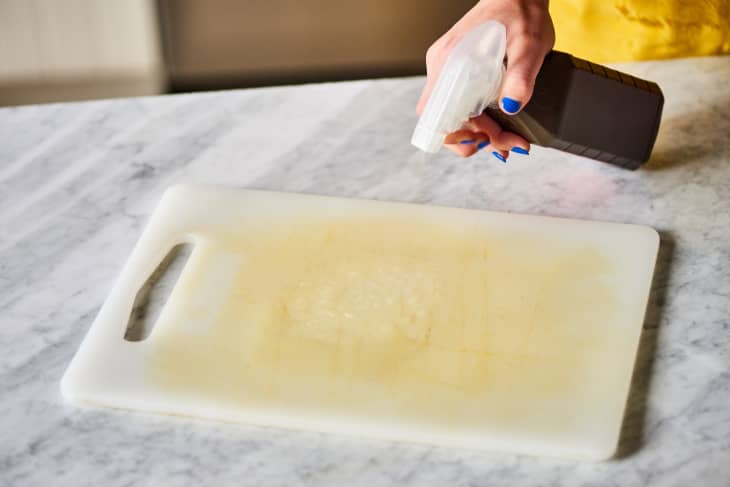
Proper care extends the life of your plastic Cutting Board and keeps it hygienic for years.
Plastic Cutting Board vs. Other Materials
Still undecided? Here’s a quick comparison:
| Feature | Plastic Cutting Board | Wooden Cutting Board | Glass Cutting Board |
|---|---|---|---|
| Hygiene | Excellent (non-porous) | Good (with regular oiling) | Excellent but slippery |
| Knife Friendliness | Very good | Best | Poor (dulls knives quickly) |
| Durability | Good (can scratch) | Excellent | Brittle (can crack) |
| Maintenance | Easy (dishwasher-safe) | Medium (hand-wash only) | Easy |
| Price | Affordable | Moderate to high | Low |
| Eco-Friendliness | Lower (plastic) | High (renewable) | Medium |
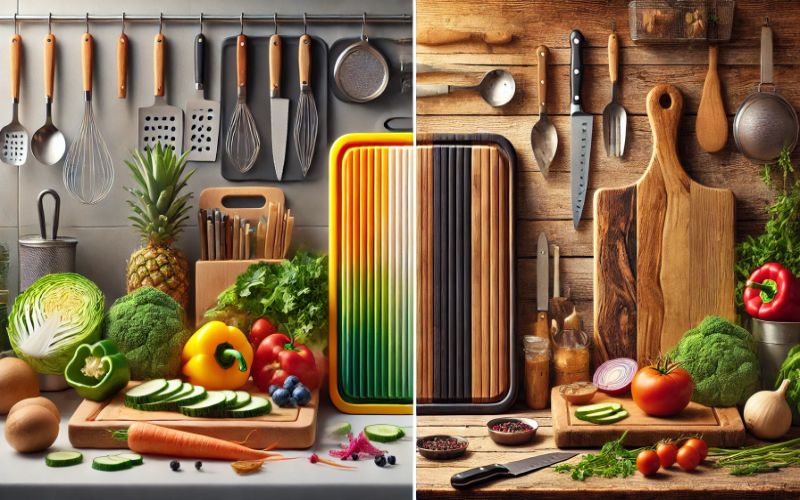
Plastic wins for everyday convenience and safety, especially in households with multiple users.
Final Thoughts: Find Your Perfect Plastic Cutting Board Today
Choosing the right plastic Cutting Board doesn’t have to be complicated. Prioritize food-grade materials, color coding, non-slip features, and proper thickness — and you’ll enjoy a safer, more efficient kitchen for years.
Ready to upgrade? Start with a set of color-coded plastic Cutting Boards and follow the maintenance tips above. Your knives, your countertops, and your health will thank you!
Happy cooking! 🍳