





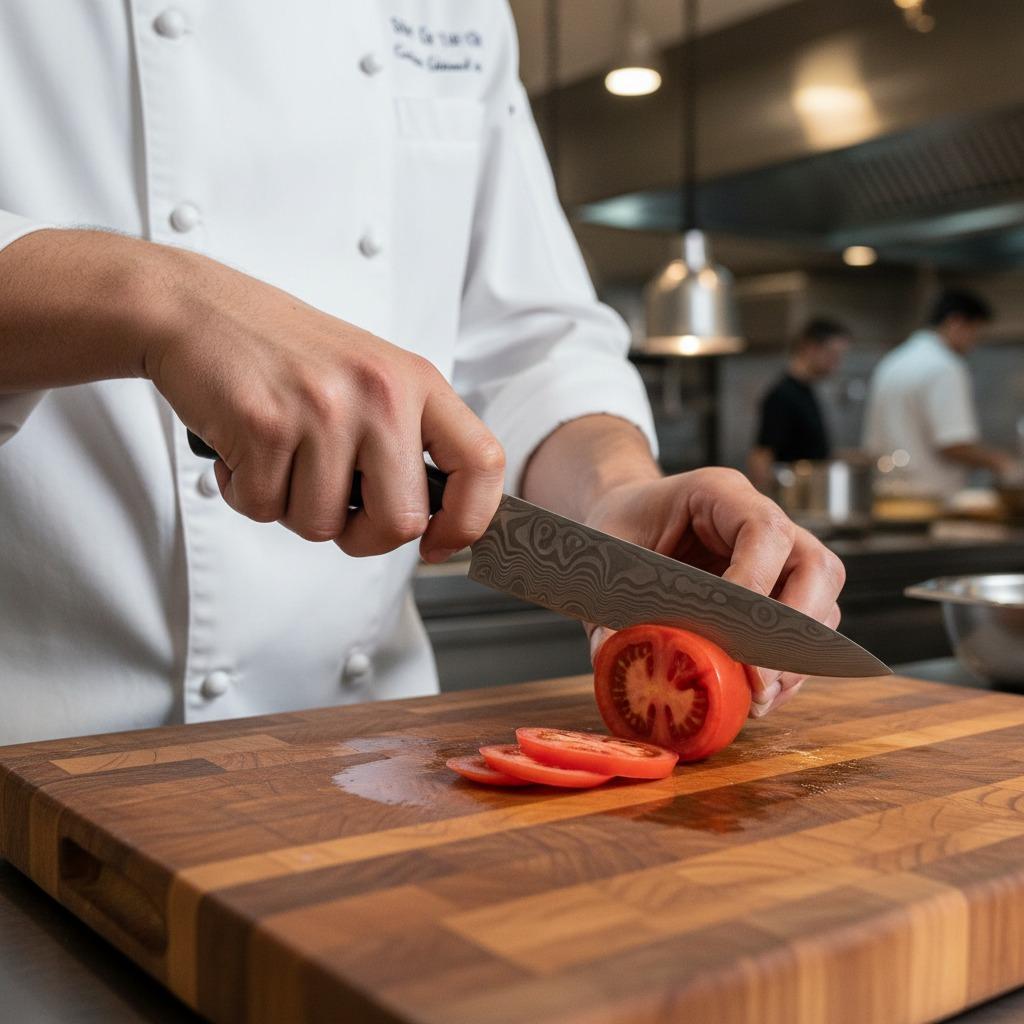
The Mystery of Damascus Steel: Patterns vs. Performance
Damascus steel has fascinated bladesmiths, collectors, and chefs for centuries. Its signature wavy, watery patterns look like flowing rivers captured in metal — but do these stunning visuals actually deliver better performance, or are they just eye candy? Today, we unravel the mystery, focusing especially on how Damascus steel performs in the modern kitchen knife.
The Origins of Damascus Steel: A Lost Legend
True ancient Damascus steel originated from wootz ingots in India and Persia around 300 BC to 1700 AD. Blades forged from this crucible steel were legendary for their sharpness, flexibility, and ability to hold an edge through brutal battles. The patterns weren’t added for decoration — they emerged naturally from the steel’s unique microstructure.
Sadly, the original technique was lost in the 18th century. No one today can exactly replicate that ancient super-steel (though recent research suggests carbon nanotubes and cementite nanowires played a role). What we call “Damascus steel” today is something different — but no less beautiful.

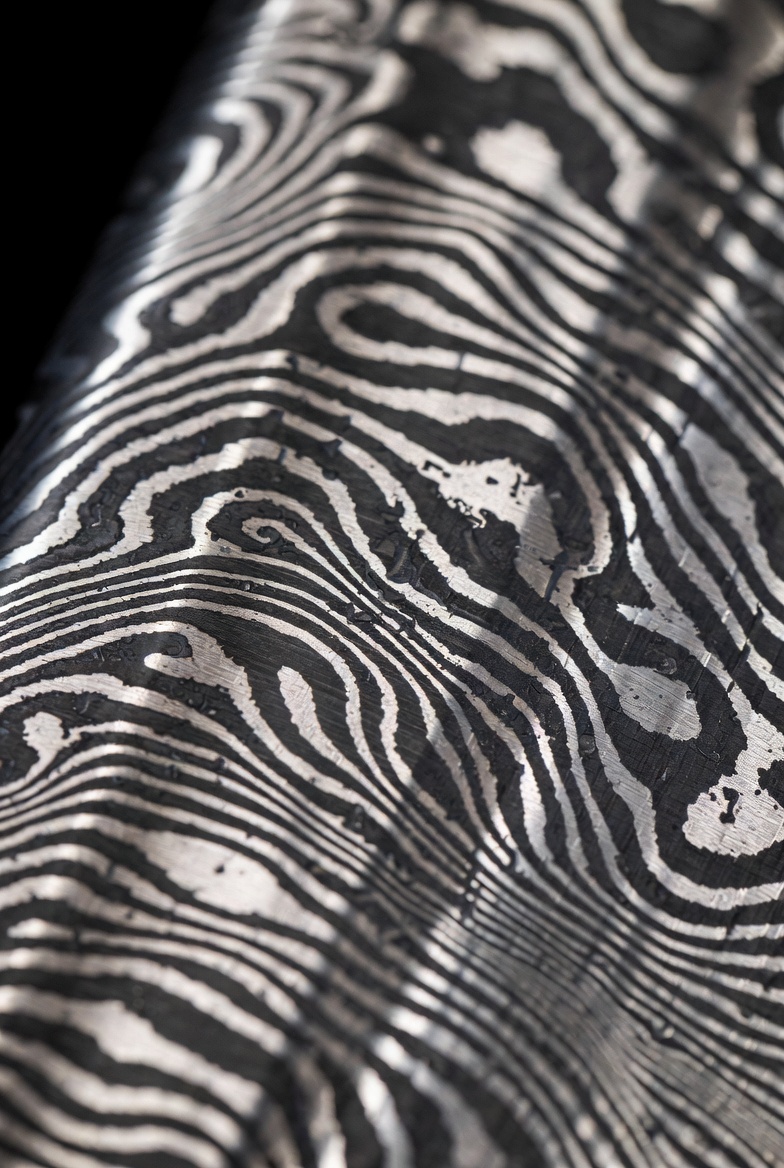
How Modern Damascus Patterns Are Created
Today’s Damascus steel is made by pattern welding: smiths stack and forge-weld alternating layers of high-carbon and low-carbon (or nickel-rich) steels, then twist, fold, and hammer them dozens of times. The blade is ground, polished, and etched with acid to reveal the contrast between layers.
The result? Those hypnotic waves, ladders, or raindrop patterns. But here’s the key point: the pattern itself does not magically improve performance. It’s purely visual. The real performance comes from the base steels chosen, the forging process, and — most importantly — the final heat treatment and tempering.
Patterns vs. Performance: What the Data Says
Many people assume the layering makes Damascus tougher or sharper. In reality, tests show it depends entirely on the maker. Poorly made Damascus can delaminate or underperform. Top-tier Damascus (using steels like 1095 + 15N20 or powdered metallurgy alloys) can match or exceed premium Japanese steels.
Here’s a clear comparison:
| Feature | Pattern-Welded Damascus Steel | High-End Monosteel (e.g., VG-10 or M390) |
|---|---|---|
| Visual Appeal | Exceptional (iconic wavy patterns) | Plain, functional |
| Edge Retention | Excellent (if properly heat-treated) | Excellent |
| Toughness / Chip Resistance | Very good (layering can stop cracks) | Good |
| Corrosion Resistance | Moderate (requires care; some modern versions better) | Excellent (especially stainless) |
| Ease of Sharpening | Good | Good to very good |
| Cost (for a premium kitchen knife) | Higher (labor-intensive forging) | Lower to moderate |
| Kitchen Knife Performance | Stunning looks + razor-sharp edge when done right | Consistent reliability, easier maintenance |
Verdict: Patterns are 90% aesthetic. Performance is 100% about the smith’s skill.
Damascus Steel Kitchen Knives: Beauty Meets Everyday Utility
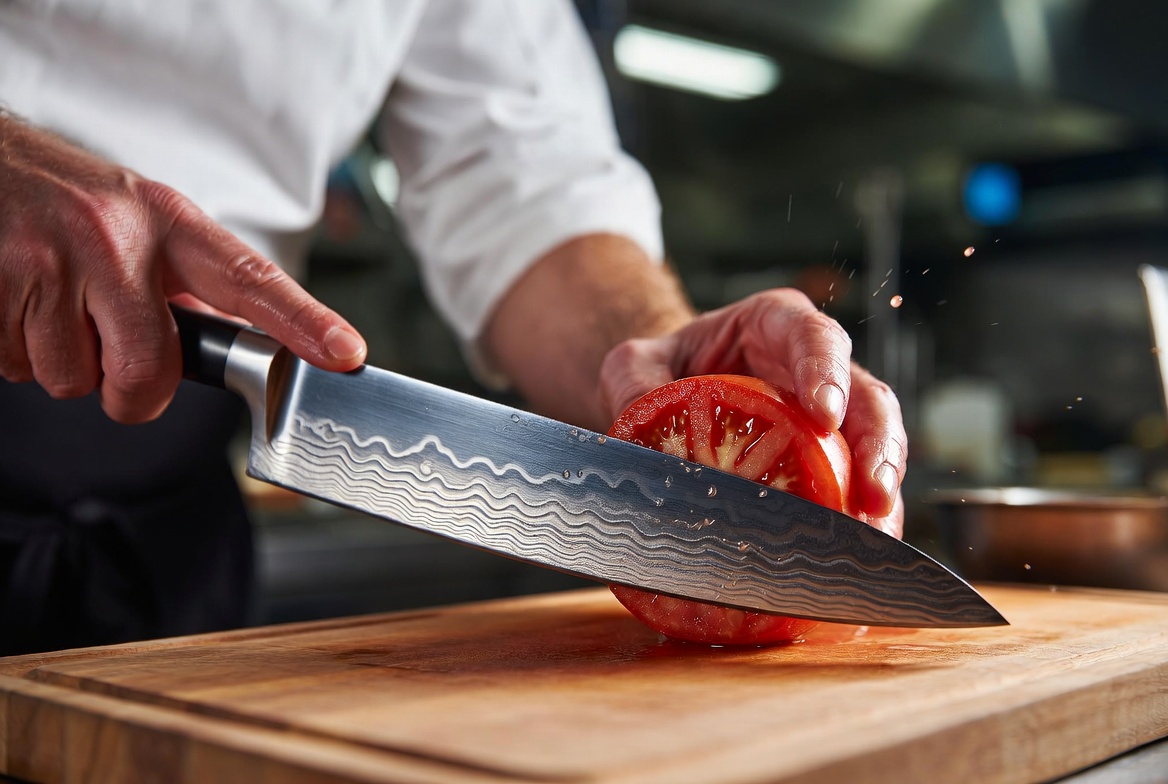
In the world of professional and home cooking, Damascus steel kitchen knives have become a status symbol. Chefs love the way the blade glides through tomatoes, herbs, and tough vegetables without tearing. The layered construction often gives a slight “tooth” to the edge that slices cleanly, and the patterns make every cut feel special.
A well-made Damascus kitchen knife can be lighter and more balanced than many monosteel blades while still delivering pro-level edge retention. However, they do require hand-washing and occasional oiling — beauty has its price.

The Real Mystery Solved
The true mystery of Damascus steel isn’t whether the patterns make it “better” — science and countless cutting tests show they don’t. The mystery is why we still fall in love with it after 2,000 years.
It’s the romance: a blade that tells a story in every swirl, forged by human hands layer by layer, turning raw steel into functional art. For collectors, it’s heritage. For chefs, it’s a kitchen knife that performs as beautifully as it looks.
Next time you pick up a Damascus kitchen knife, enjoy the hypnotic pattern — but remember: the real magic happens on the cutting board, not in the etch lines.
What’s your take — patterns or performance? Have you tried a Damascus kitchen knife yet? Drop your thoughts below! 🔪✨