





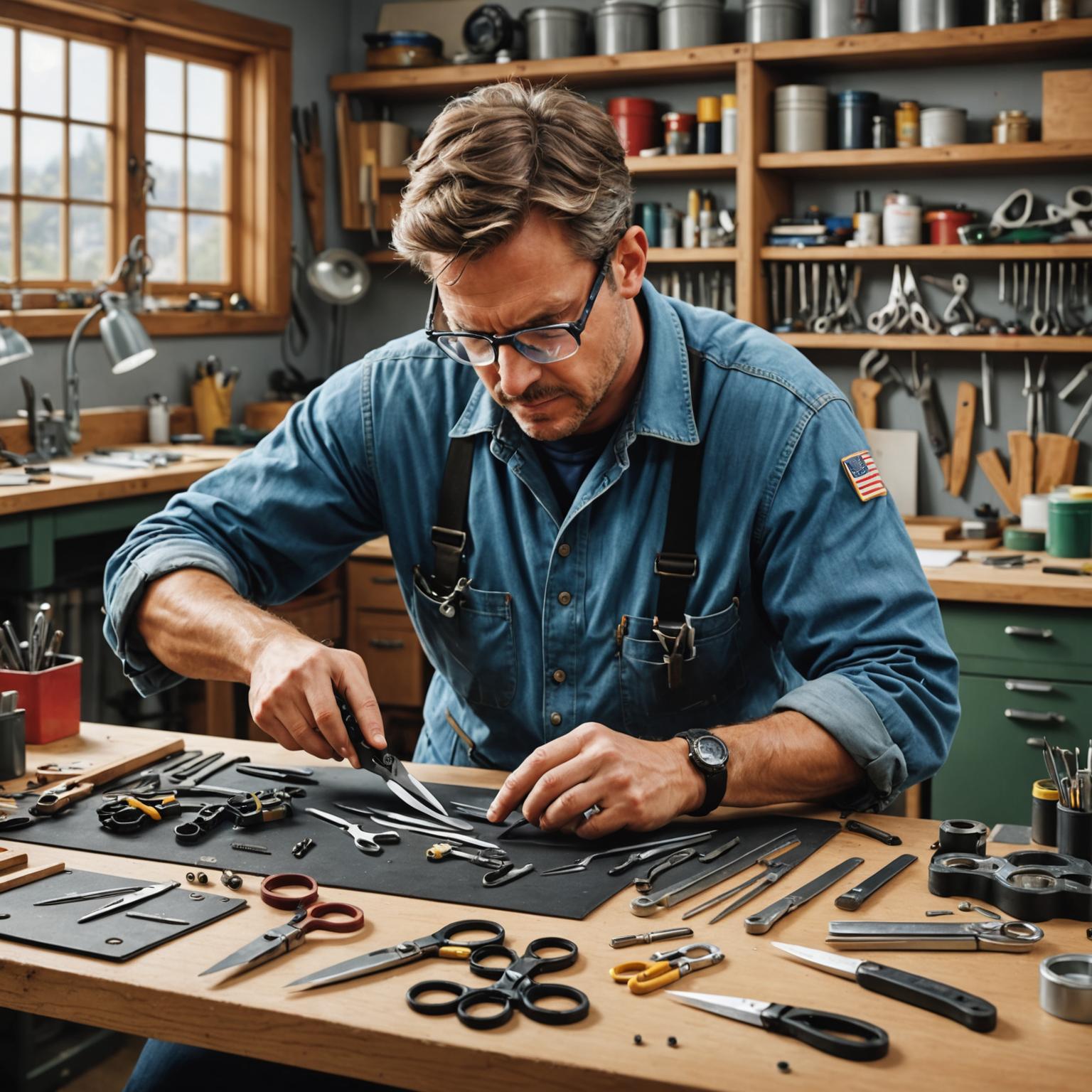
Introduction to the Assembly of Scissors
Scissors are indispensable tools in everyday life, used for cutting a variety of materials, from paper to fabric. Understanding the process of the assembly of scissors reveals the craftsmanship and precision that goes into their production. Whether you're working on creating scissors as a hobby or exploring industrial manufacturing processes, the assembly involves specific techniques and careful attention to detail.
Key Components in Scissors Parts and Assembly
The assembly of scissors starts with understanding their key parts. Typically, scissors consist of two blades, a pivot screw, and handles which may include finger holes for better grip. The blades are made from materials such as stainless steel or carbon steel to ensure durability and sharpness. During scissors parts and assembly, these components are adjusted and aligned meticulously to ensure smooth cutting performance. Proper attention in assembly techniques, such as attaching the blades correctly and securing the pivot screw, helps achieve the desired functionality.
Effective Scissors Assembly Techniques
Techniques used in the assembly process greatly affect the final outcome and quality of scissors. For efficient scissors assembly techniques, ensuring proper alignment and balance between the blades is paramount. Misalignment can result in uneven cuts and reduced efficiency. Modern manufacturing often incorporates advanced machinery for precise assembly; however, hand-assembled scissors often offer superior quality due to the attention given during customization. Inspecting the tension in the pivot screw is also key to optimizing the performance and lifespan of scissors. Whether for personal or industrial purposes, mastering the assembly techniques can significantly elevate the user experience and the longevity of the product.