





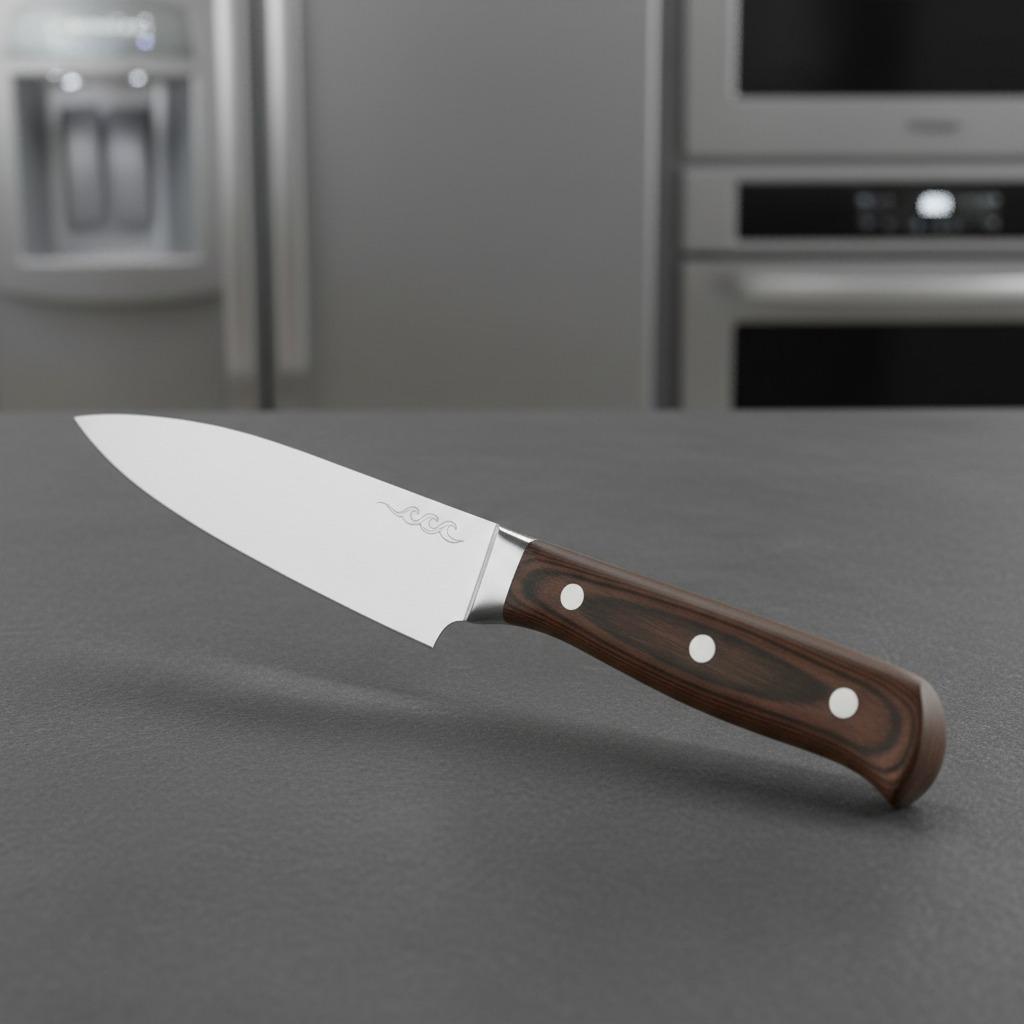
Stainless Steel vs. High-Carbon Steel: Understanding Knife Materials
When choosing a kitchen knife, the blade material is one of the most important factors. The two most common categories are stainless steel and high-carbon steel (often simply called carbon steel in knife contexts). Each has distinct characteristics that suit different users and cooking styles.
Stainless steel contains at least 10.5–13% chromium, which forms a protective oxide layer to resist rust and corrosion. High-carbon steel has a higher carbon content (typically 0.6%–1.5%) but very little or no chromium, resulting in superior hardness and edge performance but requiring more care.
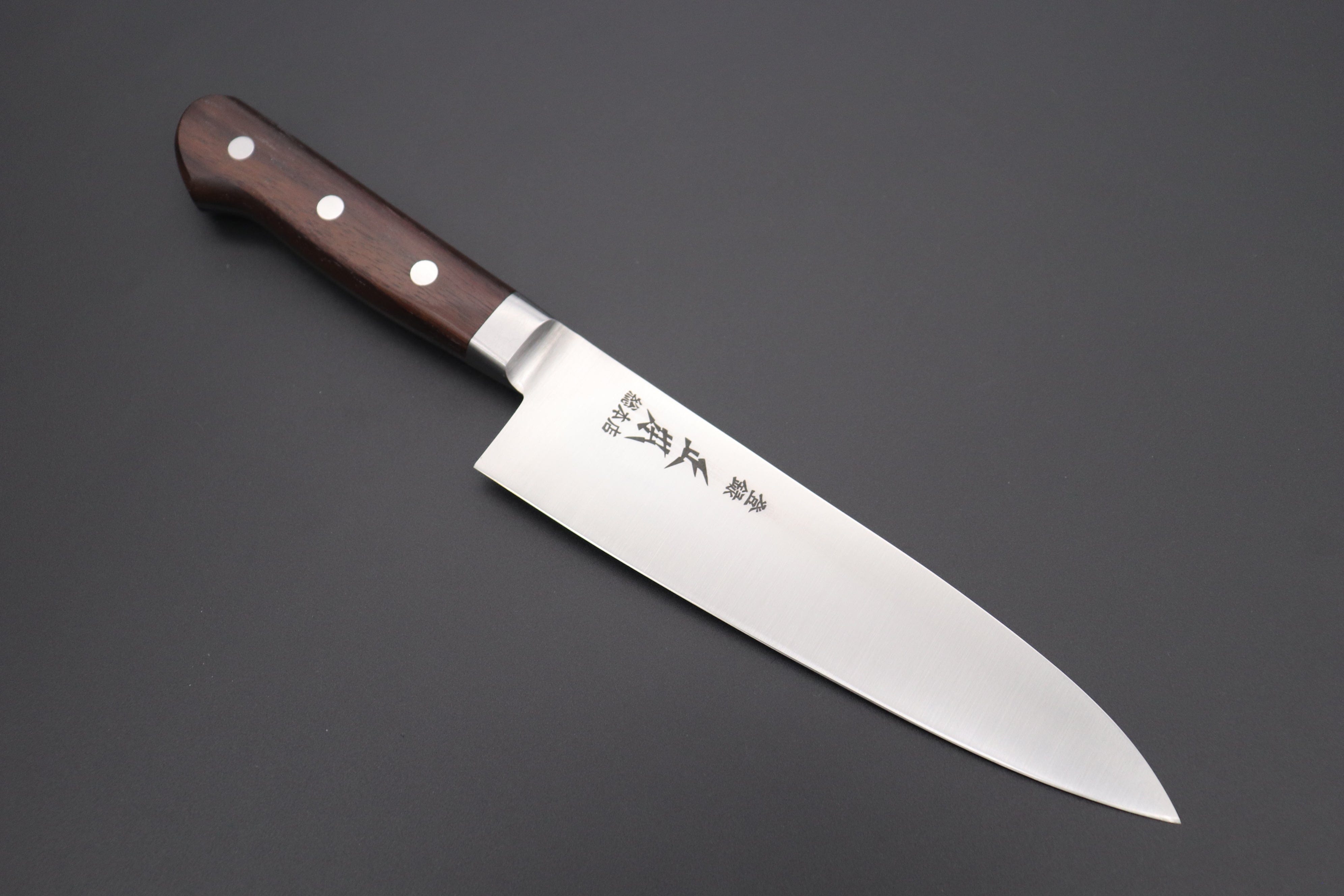
(Above: Left — typical polished stainless steel chef's knife blade; Right — classic high-carbon steel gyuto with a clean, sharp appearance)
Key Comparison Table
| Property | Stainless Steel | High-Carbon Steel | Winner (Typical Preference) |
|---|---|---|---|
| Corrosion Resistance | Excellent (resists rust, stains, acidic foods) | Poor (rusts easily if not dried/oiled) | Stainless Steel |
| Maintenance | Low (wipe & store, often dishwasher-safe) | High (must dry immediately, oil occasionally) | Stainless Steel |
| Edge Sharpness | Very good (can be razor-sharp) | Exceptional (can achieve finer, more precise edge) | High-Carbon Steel |
| Edge Retention | Good (modern steels like VG-10, SG2 hold very well) | Excellent (holds sharp edge noticeably longer in many cases) | High-Carbon Steel |
| Ease of Sharpening | Moderate (harder steels need more effort/time) | Easy (responds quickly to stones, faster to refine) | High-Carbon Steel |
| Toughness / Durability | Better (less brittle, resists chipping) | Good but can be more brittle at very high hardness | Stainless Steel |
| Patina Development | Minimal / none | Develops beautiful protective patina over time | High-Carbon Steel (aesthetic + functional) |
| Best For | Home cooks, beginners, low-maintenance kitchens, humid environments | Professional chefs, enthusiasts who enjoy sharpening & care, precision cutting | Depends on user |
Modern high-end stainless steels (e.g. VG-10, R2/SG2, Elmax) have narrowed the performance gap significantly — many now match or even exceed traditional carbon steels in edge retention while remaining rust-resistant.
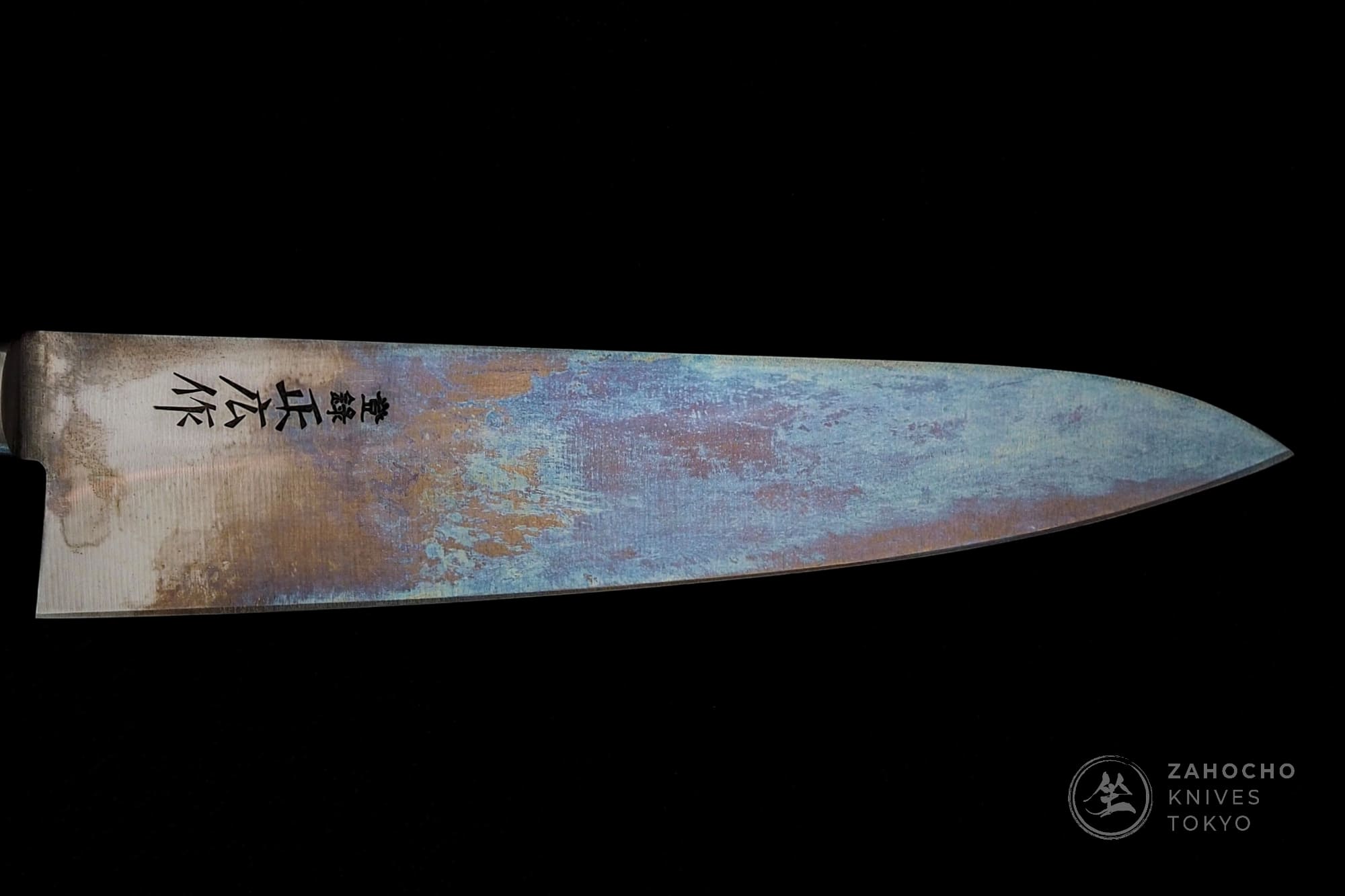

(Above: Examples of patina on carbon steel blades — a thin, protective oxide layer that forms naturally and prevents deeper rust. Note the colorful/blue-gray hues; this is not active red rust)
Quick Decision Guide
- Choose stainless steel if you want:
- Easy daily use with minimal care
- Reliability in wet/acidic conditions (tomatoes, citrus, etc.)
- A low-maintenance “set it and forget it” knife
- Choose high-carbon steel if you want:
- The absolute sharpest possible edge & longest time between sharpenings
- A more responsive sharpening experience
- To develop a unique patina (many chefs love this “lived-in” look)
- Are willing to wipe and dry the blade immediately after use
Neither is objectively “better” — it depends on your habits and priorities. Many professionals still prefer classic carbon steel Japanese knives (e.g. White #1, Blue #2 steel), while home cooks often gravitate toward stainless for convenience.
What kind of knife user are you? Do you enjoy the sharpening ritual, or do you prefer something hassle-free? 😊