





![Amazon.com: TONMA Fabric Scissors [Made in Japan] 12 inch Professional Tailor Sewing Scissors for Fabric Cutting, Commercial Heavy Duty Stainless Steel Dressmaking Shears for Leather Carpet Upholstery Crafting](https://m.media-amazon.com/images/I/516uC716DML._AC_UF894,1000_QL80_.jpg)
Signs Your Tailor Shears Need Professional Sharpening
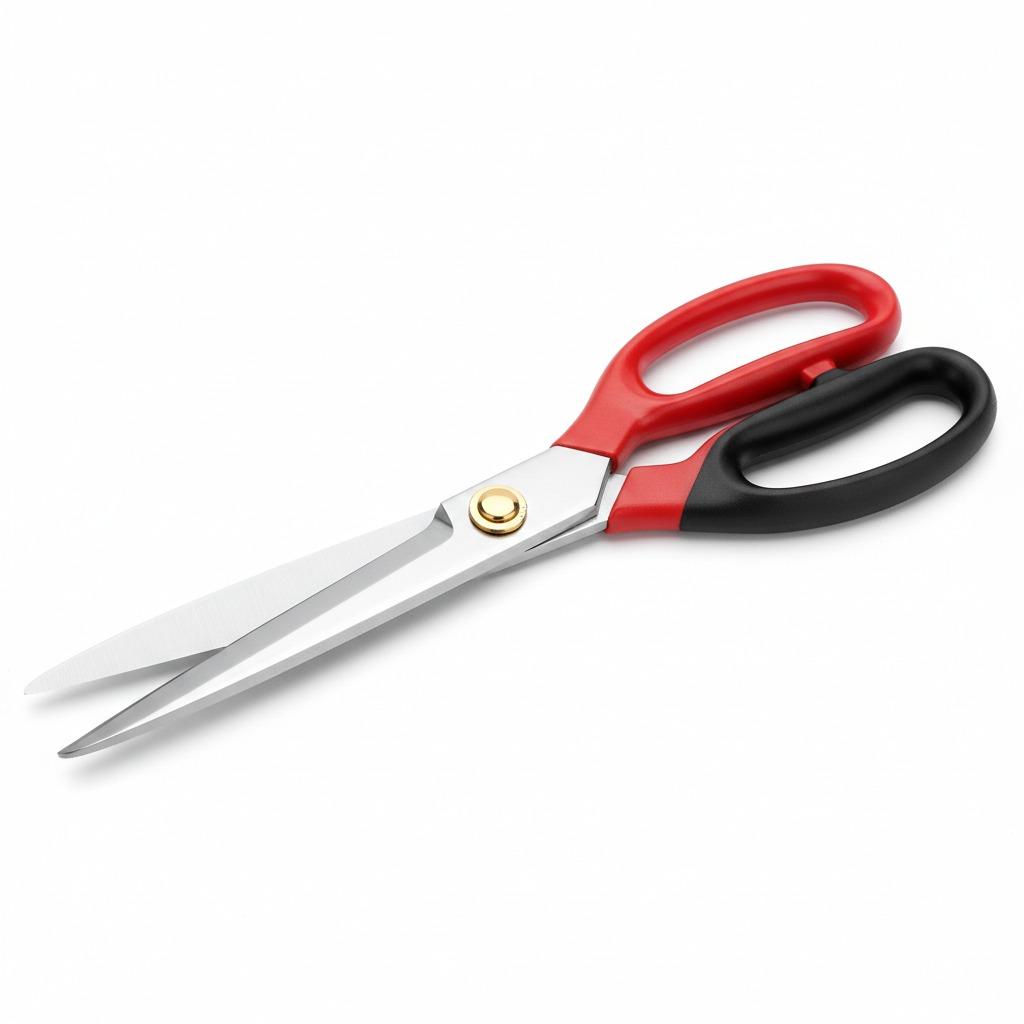
Tailor shears — also known as tailor scissors — are the heart of every sewing and tailoring workshop. These long-bladed precision tools are designed to slice through fabric effortlessly, delivering clean, straight cuts that make garment construction a joy rather than a struggle.
But even the finest Japanese or German steel eventually dulls with heavy use. Continuing to work with blunt tailor scissors leads to frayed edges, wasted fabric, and hours of extra frustration. Here are the clear warning signs that your tailor shears need professional sharpening (not just a quick home honing).
1. Your Fabric Cuts Are Jagged or Frayed
Instead of a crisp, smooth edge, the fabric starts unraveling or looks ragged right after cutting. This is the #1 sign that your tailor scissors have lost their razor-sharp edge.
Compare that to a perfect cut:
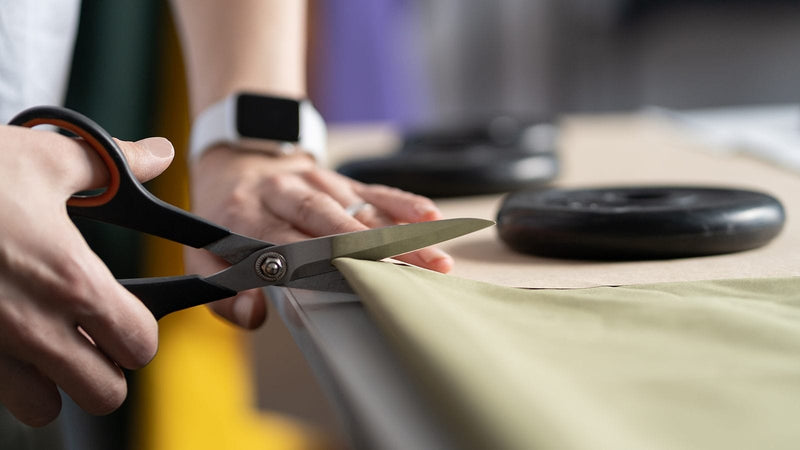
If you see fraying like the first photo, it’s time to stop and book a professional sharpening appointment.
2. You Have to Push or Force the Blades Through Fabric
High-quality tailor shears should glide through cotton, silk, denim, or leather with almost no effort. When you suddenly find yourself applying extra pressure or “pushing” the material aside instead of slicing it, the blades are dull.

3. The Blades Snag, Pull Threads, or Skip Sections
Threads catch on the edge, the cut jumps forward, or you get uneven lengths. These micro-nicks and rounded spots on the blade are invisible to the naked eye but disastrous for clean tailoring work.
4. The Blades Feel Loose, Misaligned, or Don’t Close Flush
Professional tailor scissors should snap shut smoothly with the blades meeting perfectly along the entire length. Any wobble, gap, or resistance when closing means the edge geometry is off and needs expert restoration.
5. Visible Wear or Rounded Edges on Close Inspection
Even if the shears still “work,” a quick macro look reveals the truth:

Sharp edge (what you want) vs. the dull, worn look that develops after months of use.
Quick Reference Table: Signs Your Tailor Shears Need Help
| Sign | What You Notice | Why Professional Sharpening? | Urgency |
|---|---|---|---|
| Jagged/Frayed Cuts | Fabric edges unravel immediately | Restores precise bevel angle | Immediate |
| Extra Force Required | Pushing fabric instead of slicing | Removes rounded edge safely | High |
| Snagging or Skipping | Threads catch; cuts jump | Eliminates micro-nicks | High |
| Loose or Gapped Blades | Wobble when closing | Re-aligns + sharpens in one service | Medium-High |
| Visible Blade Wear | Rounded or pitted edge (macro view) | Prevents further damage | Immediate |
| 6+ Months Heavy Use | No obvious signs but performance down | Preventive maintenance for longevity | Medium |
Why DIY Isn’t Enough for Tailor Scissors
A quick pass on a sharpening stone or honing rod can temporarily improve everyday household scissors. But professional tailor shears have a specific blade angle (usually 15–20°) and hollow-ground design. Only a trained sharpening service with the right equipment can restore that factory precision without removing too much metal or changing the balance.
Real Tailors Know: Don’t Wait Until It’s Too Late
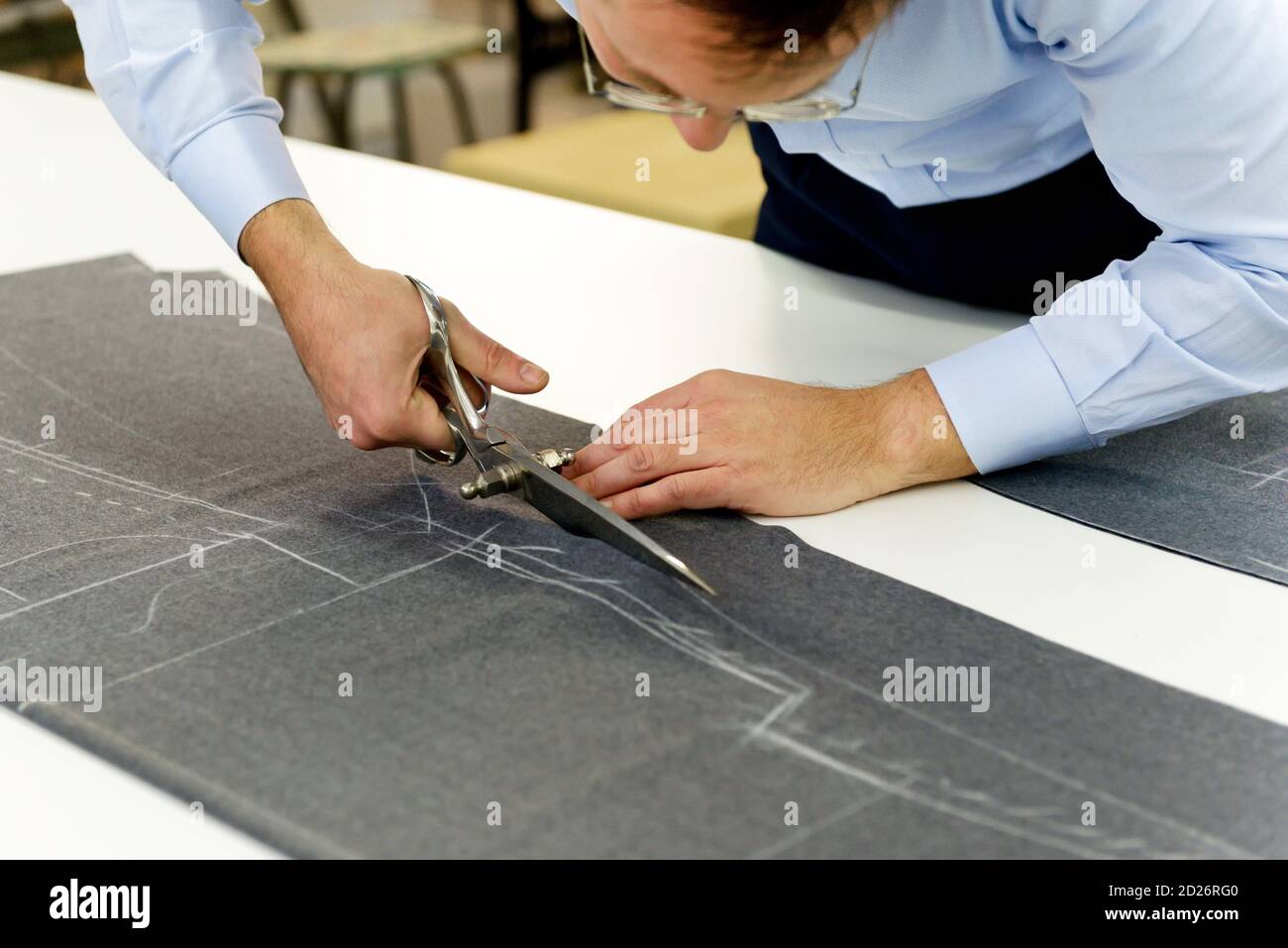
Professional tailors and seamstresses send their shears out for sharpening every 6–12 months (or after 200–300 hours of heavy use). The result? Perfect cuts every time and shears that last decades instead of years.
Final Tip
If any of the signs above sound familiar, search for a reputable “scissor sharpening service” or “tailor shears sharpening” near you (many offer mail-in options). Your tailor scissors will feel brand new again — and your next sewing project will thank you!
Have you noticed these signs with your own tailor shears? Drop a comment below and share your sharpening story! ✂️