





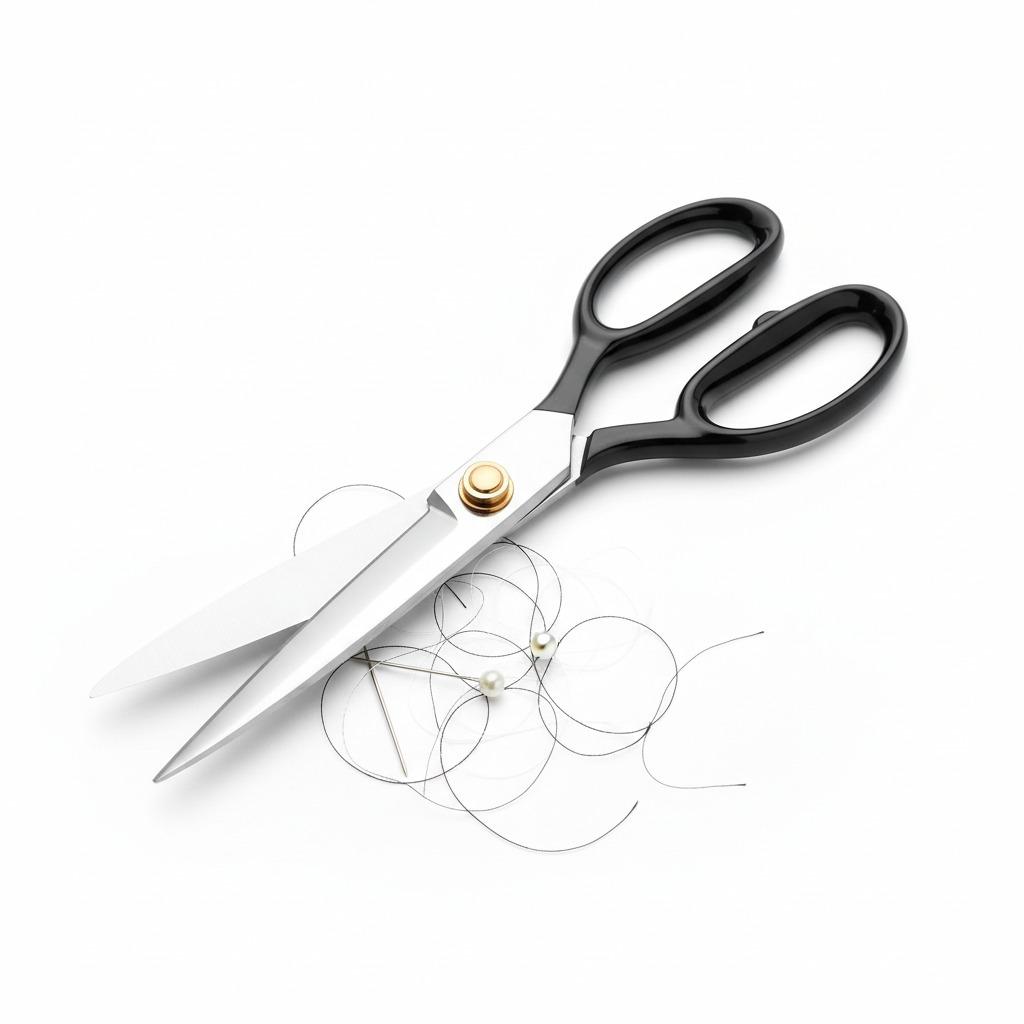
Removing Rust and Preventing Corrosion on High-Carbon Steel: A Complete Guide for Tailor Scissors and Precision Tools
High-carbon steel is prized for its exceptional sharpness and edge retention, making it the go-to material for high-quality tailor scissors, sewing shears, and other cutting tools. However, without proper care, this steel is highly susceptible to rust and corrosion due to its lack of chromium (unlike stainless steel). Exposure to moisture, humidity, or even sweat from your hands can quickly lead to pitting and dulling.
In this illustrated guide, we'll walk through proven methods for removing rust from high-carbon steel and preventing corrosion—with a special focus on tailor scissors. Whether you're a professional seamstress, hobbyist, or tool enthusiast, these steps will keep your blades razor-sharp and rust-free for years.
![Scissors Restoration [Remove Rust With Lemon - Black Handle - Polished Blade] - YouTube](https://i.ytimg.com/vi/UeLnvFei9mI/sddefault.jpg)
Above: A classic example of rust on high-carbon steel tailor scissors. Notice the orange-brown pitting on the blades—this is what happens when moisture attacks unprotected carbon steel.
Step-by-Step: Removing Rust from High-Carbon Steel
Rust removal should be gentle to preserve the temper and sharpness of tailor scissors. Always work in a well-ventilated area and wear gloves.
- Assess the Damage Wipe the blades with a dry cloth. Light surface rust can often be removed mechanically; heavy corrosion may need chemical assistance.
- Mechanical Removal (Wire Brushing or Sanding) Use a soft wire brush or fine steel wool (0000 grade) to gently scrub along the blade grain. Avoid aggressive scrubbing near the cutting edge to prevent micro-damage.
- Chemical Soak (Vinegar or Citric Acid Method) Submerge the affected area in white vinegar or a lemon juice solution for 1–4 hours. The acid dissolves rust without harming the steel if monitored. Rinse thoroughly with water afterward.
- Final Polish and Dry Wipe dry immediately and buff with a microfiber cloth. For stubborn spots, repeat or use a specialized rust remover formulated for carbon steel.

Above: The rewarding result—clean, sharp high-carbon steel tailor scissors ready for precise fabric cutting.
Comparison of Rust Removal Methods
Here's a quick-reference table comparing popular techniques, tailored for tailor scissors and other high-carbon steel tools:
| Method | Time Required | Effectiveness on Light Rust | Effectiveness on Heavy Rust | Safety for Blade Edge | Cost | Best For Tailor Scissors? |
|---|---|---|---|---|---|---|
| Wire Brush / Steel Wool | 10–30 min | High | Medium | High (if gentle) | Low | Yes – quick touch-ups |
| Vinegar Soak | 1–4 hours | High | High | High | Low | Yes – non-abrasive |
| Lemon Juice + Salt | 30–60 min | Medium-High | Medium | High | Low | Yes – natural & safe |
| Commercial Rust Remover | 5–15 min | Very High | Very High | Medium (check label) | Medium | Only if carbon-safe |
| Electrolysis (DIY) | 2–6 hours | Very High | Very High | High | Low | Advanced users only |
Pro Tip: For tailor scissors, always choose methods that avoid harsh abrasives near the pivot and edge. Test on a small area first.
Preventing Corrosion: Keep Your Tailor Scissors Rust-Free
Prevention is easier (and cheaper) than removal. High-carbon steel needs a protective barrier against moisture and oxygen.
- Clean and Dry After Every Use Wipe blades with a dry cloth immediately after cutting. Never store damp tailor scissors.
- Apply a Protective Oil Use food-grade mineral oil, camellia oil, or a dedicated tool oil. A thin coat on the blades and pivot creates a moisture barrier.
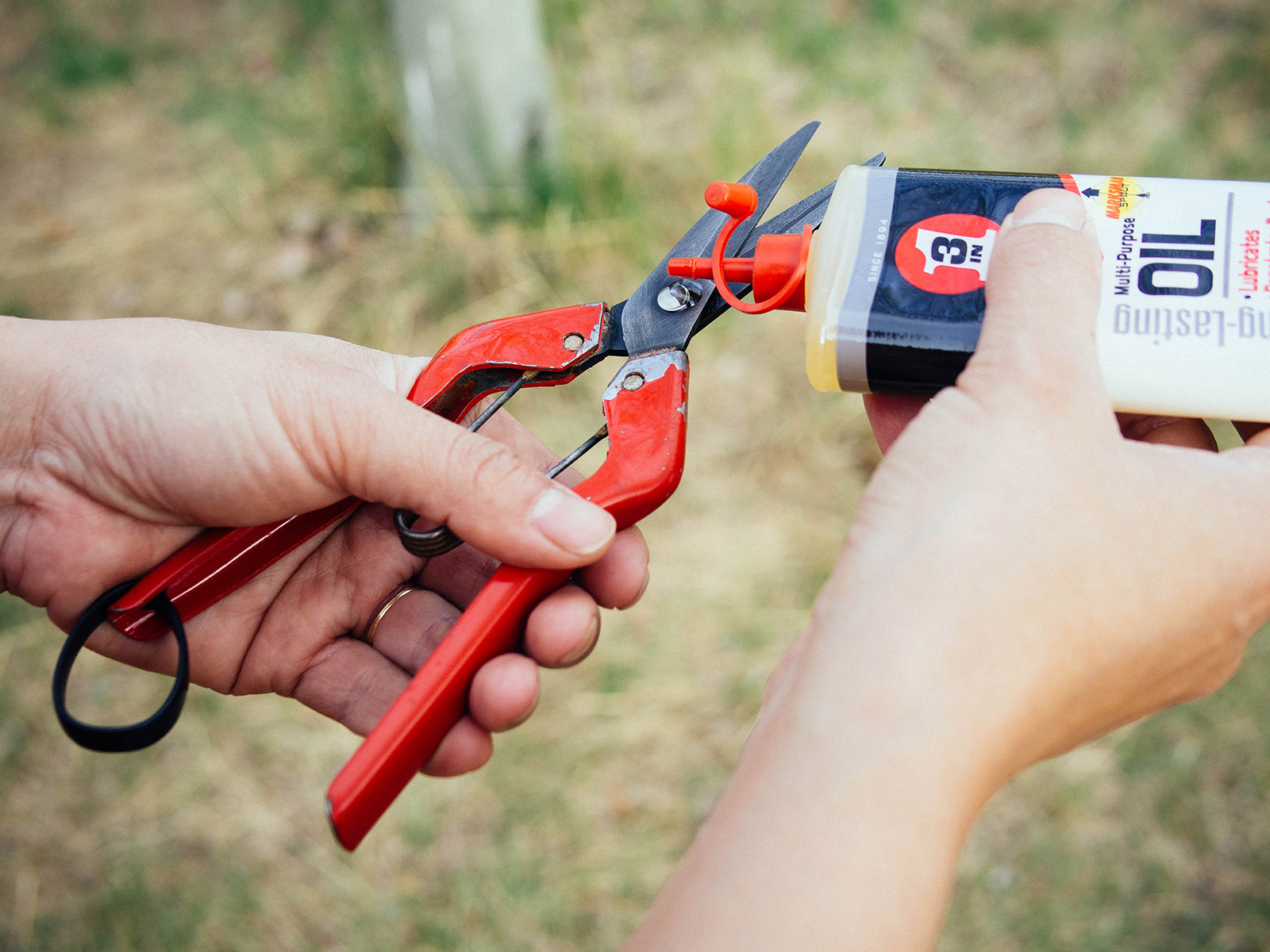
Above: Applying protective oil to high-carbon steel scissors—essential for long-term corrosion prevention.
- Store Properly Keep tailor scissors in a dry sheath, leather case, or dedicated drawer with silica gel packets. Avoid humid environments like bathrooms or basements.
Above: Premium storage in a protective case—ideal for preserving high-carbon steel tailor scissors.
- Regular Maintenance Routine
- Monthly oiling
- Annual professional sharpening (for heavy users)
- Avoid dishwasher cleaning—hand wash only
Above: Well-maintained high-carbon steel tailor scissors in action—cutting fabric smoothly with no rust in sight.
Final Thoughts
With these simple techniques, your tailor scissors and other high-carbon steel tools can stay sharp, rust-free, and reliable for decades. Remember: prevention beats cure every time. A quick wipe and oil after each use is all it takes to protect the investment you made in quality blades.
If your tailor scissors have stubborn rust or you're unsure about a method, consult a professional sharpening service. Happy sewing—and may your edges stay forever keen!
Keywords: Removing Rust and Preventing Corrosion on High-Carbon Steel, tailor scissors
Share this guide with fellow sewers and tool lovers. Your scissors will thank you!