





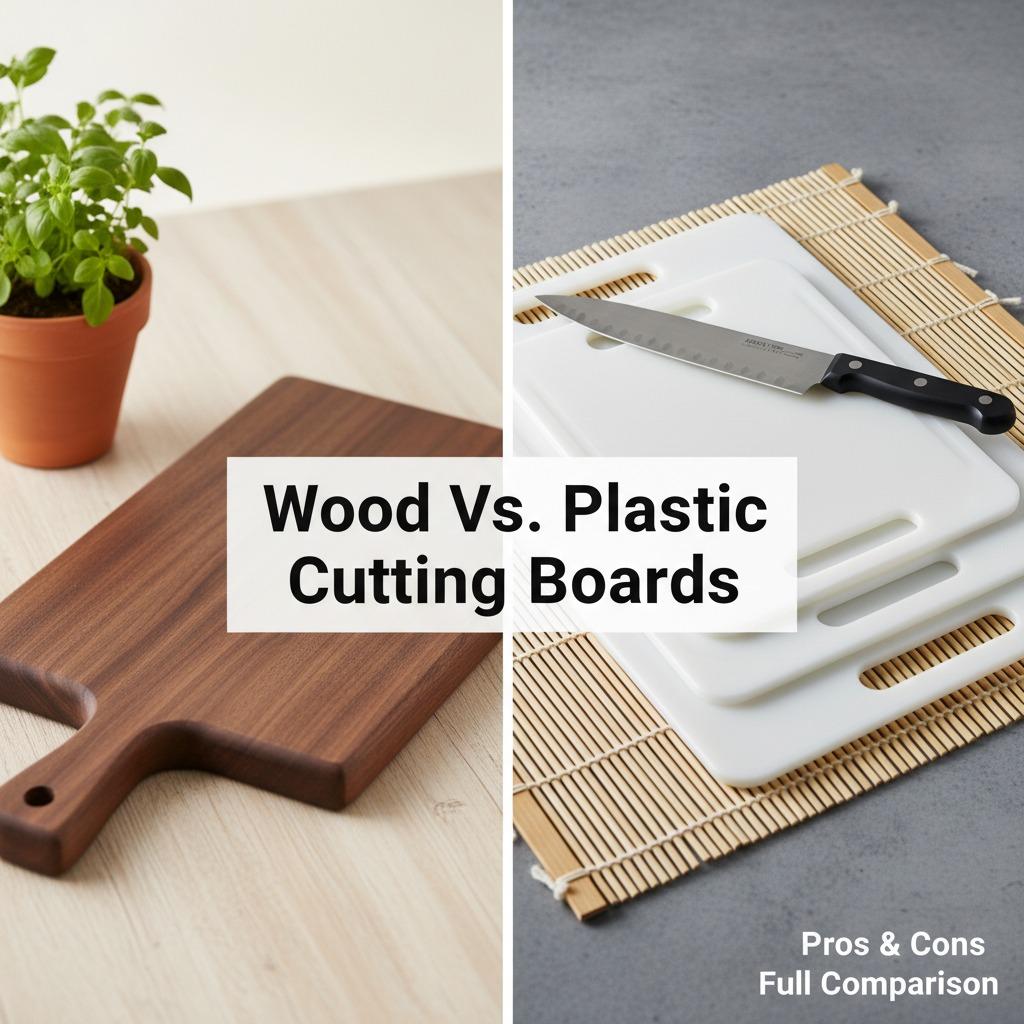
Plastic vs. Wood: Which Cutting Board is Better for You?
Choosing the right cutting board is essential for kitchen safety, knife performance, and long-term durability. The debate between plastic cutting board and wooden options has evolved with new research. Many once believed plastic was more hygienic, but studies show that properly maintained wood can be just as safe—or even safer—thanks to its natural properties.
Both materials have strengths and weaknesses. Here's a detailed, illustrated comparison to help you decide.

Quick Visual Comparison: Plastic vs. Wood Cutting Boards
:max_bytes(150000):strip_icc()/sea-tier-3-primary-plastic-cutting-boards-nsimpson-336-b01e9c61520b4d7eb5f4923273feea7b.jpeg)

Left: A selection of colorful plastic cutting boards. Right: A beautiful natural wooden cutting board.
Pros and Cons at a Glance
| Aspect | Plastic Cutting Board | Wood Cutting Board |
|---|---|---|
| Hygiene | Easy to sanitize; dishwasher-safe. However, deep knife grooves can trap bacteria if not replaced regularly. | Naturally antimicrobial—bacteria often die off when the board dries fully. Studies show wood can reduce bacteria more effectively than plastic in some cases. |
| Durability | Affordable but scars easily; grooves harbor bacteria over time. | More durable long-term; can be sanded and restored. Lasts years with care. |
| Knife Friendliness | Can dull knives faster due to harder surface. | Gentler on knife edges—helps keep blades sharp longer. |
| Maintenance | Low effort: wash by hand or dishwasher. | Requires regular oiling (food-grade mineral oil) to prevent drying/cracking. Hand wash only. |
| Aesthetics & Feel | Functional and colorful (great for color-coding raw meat vs. veggies). | Warm, natural look; ideal for serving or charcuterie. |
| Cost | Cheaper upfront. | More expensive initially but often lasts longer. |
| Best For | Raw meats, heavy use, dishwasher convenience. | Vegetables, bread, cheese; overall home cooking with proper care. |
Sources: Multiple studies and expert reviews confirm wood's antimicrobial edge when dried properly, while plastic excels in convenience.
Hygiene: The Surprising Truth
Old advice favored plastic cutting boards because they are non-porous and easy to clean. However, research (including from the Journal of Food Protection) shows that bacteria applied to wood often get absorbed into the fibers and die off—sometimes over 99% reduction within hours—while they can survive and multiply on scratched plastic surfaces.
Deep grooves in worn plastic create hiding spots for bacteria that even dishwashers may not fully eliminate. Wood, when hand-washed with hot soapy water and allowed to dry completely upright, performs excellently.
Tip: Use separate boards or color-coded plastic cutting boards for raw proteins to avoid cross-contamination, regardless of material.

Infographic showing how wood naturally traps and kills bacteria better than plastic when maintained.
Durability and Knife Performance
Plastic cutting boards are lightweight and portable but show wear quickly from knife marks. Over time, they need replacement to stay hygienic.
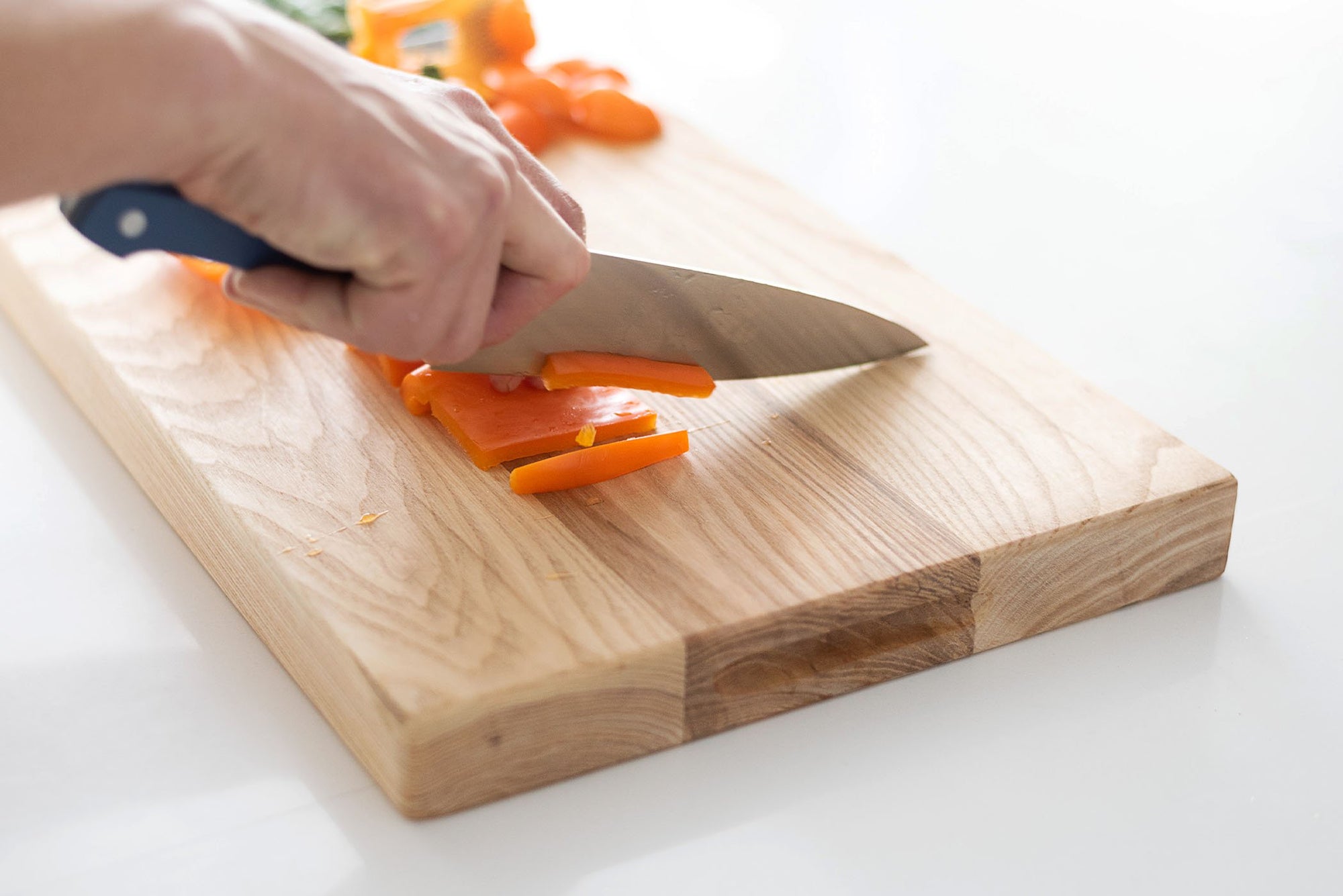
Wooden boards (especially hardwoods like maple or walnut) resist deep scarring better in daily use and are kinder to your knives. Many chefs prefer wood for this reason.

Maintenance Tips for Both
For Plastic Cutting Board:
- Wash with hot soapy water or run through the dishwasher.
- Sanitize occasionally with a diluted bleach solution (1 tbsp bleach per gallon of water).
- Replace when heavily grooved.

Cleaning a plastic cutting board under running water.
For Wooden Cutting Boards:
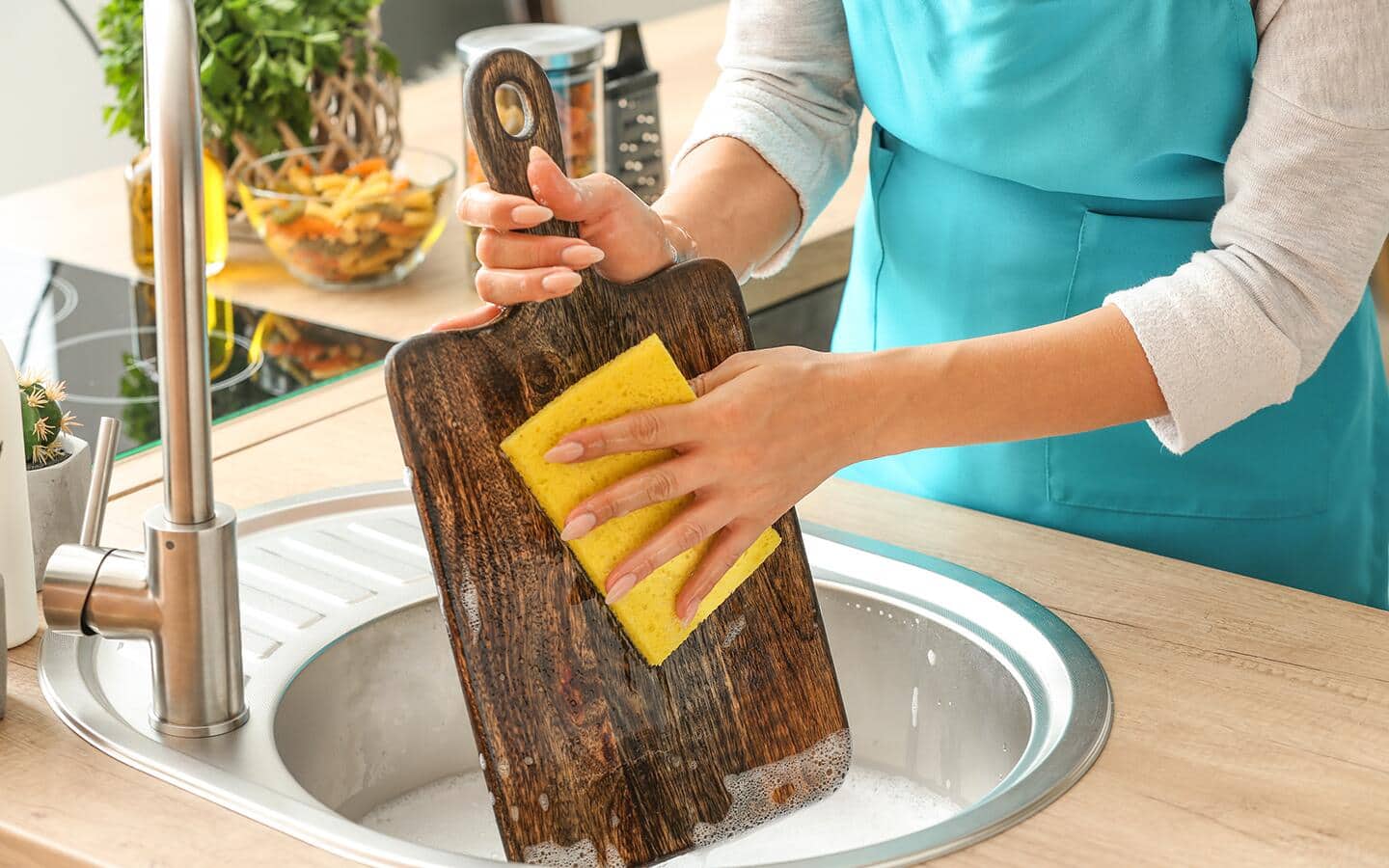
- Hand wash only with mild soap and warm water—never soak or dishwasher.
- Dry upright immediately.
- Oil regularly with food-grade mineral oil or board cream to seal the wood and prevent cracking.
- Sand lightly if grooves appear.
:max_bytes(150000):strip_icc()/clarks-cutting-board-organic-soap-lifestyle-058c3dcae3bf4dafa96e39f29aa4d0e8.jpg)
Left: Washing a wooden board. Right: Scrubbing and maintaining wood with proper tools.
Which One Should You Choose?
- Choose Plastic if you want low-maintenance, dishwasher safety, and color-coding for food safety. Great for busy kitchens or raw meat prep. Plastic cutting board options are widely available and budget-friendly.
- Choose Wood for better knife care, natural antimicrobial properties, and a premium feel. Ideal if you're willing to invest a little time in maintenance.
- Best of Both Worlds: Many home cooks use a plastic cutting board for messy/raw tasks and wood for everyday produce and serving.
Ultimately, proper cleaning and drying matter more than the material itself. Both can be safe when cared for correctly.
:max_bytes(150000):strip_icc()/sea-tier-3-primary-wooden-cutting-boards-nsimpson-337-1-16a927e52855443d88fc9e06c9b78543.jpeg)
A beautiful assortment of wooden cutting boards ready for use.
Ready to upgrade your kitchen? Consider your cooking habits, maintenance willingness, and knife collection. Whichever you pick, replace or restore boards when they become too scarred—your health and meals will thank you!