





How to Tell High-Quality Silicone from Cheap Fillers
A Complete Guide for Safe and Durable Kitchen Silicone Tools
In today's kitchens, kitchen silicone tools like spatulas, spoons, tongs, mats, and brushes have become essentials. They’re nonstick, heat-resistant, and easy to clean—making them a go-to replacement for plastic or wooden utensils. But not all silicone is created equal. Many budget options are loaded with cheap fillers (like precipitated silica, calcium carbonate, or plasticizers) that can leach chemicals into your food, degrade quickly, or even release odors when heated.
High-quality, food-grade silicone (often platinum-cured and certified FDA or LFGB) is 100% pure, safe for direct food contact, and built to last. Learning to spot the difference protects your health and saves money in the long run. This guide walks you through simple, at-home tests—no lab required—so you can confidently choose the best kitchen silicone tools for your home.

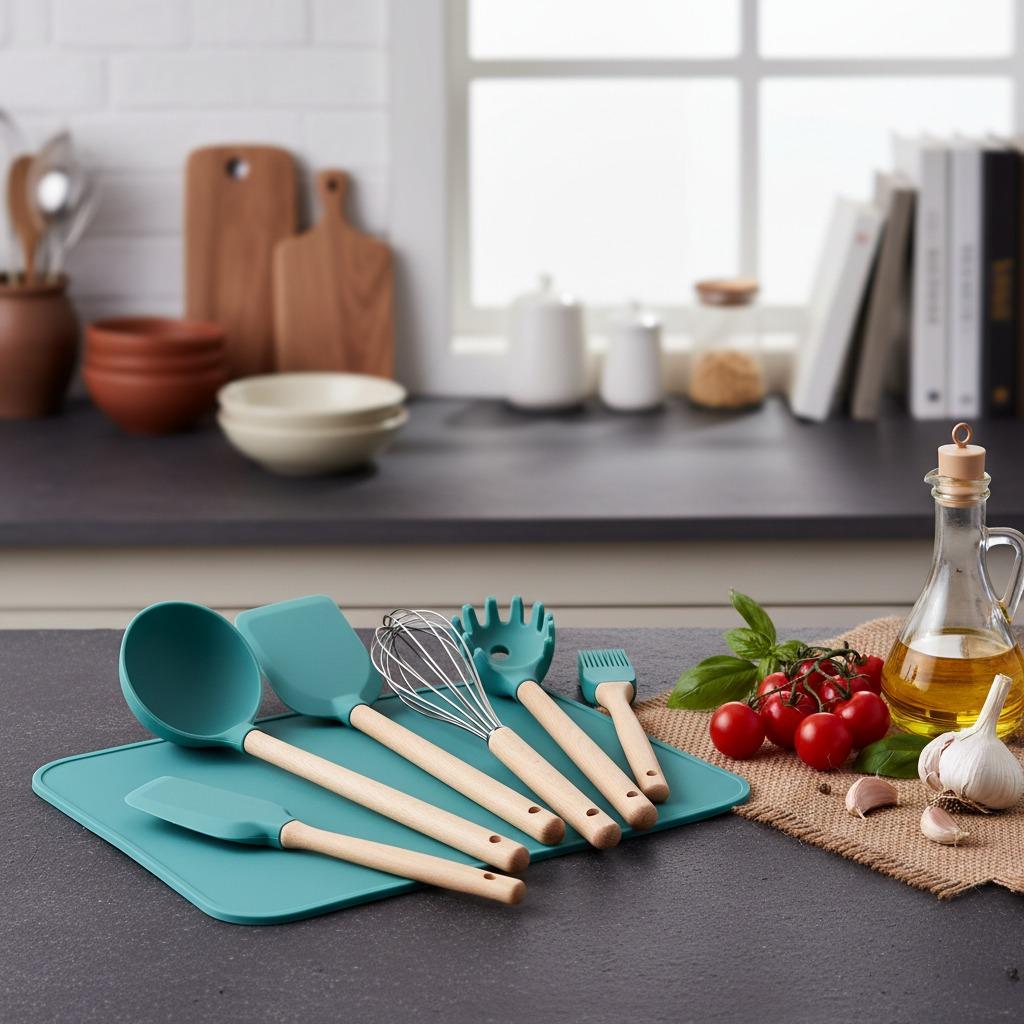
Premium high-quality kitchen silicone tools with wooden handles—smooth, flexible, and built to last.
1. The Pinch (or Stretch) Test – The #1 Quick Check
This is the most popular consumer test for kitchen silicone tools. Simply pinch, twist, or pull a flexible part of the utensil (like the head of a spatula or edge of a mat).
- High-quality silicone: Stays the same color—no white streaks or “strain whitening.” It feels soft yet springs back instantly to its original shape.
- Cheap fillers: Turns white in the pinched area. This indicates fillers that weaken the material and may not be food-safe.
Pro tip: Test multiple spots. Even colored silicone should pass. If it fails, put it back on the shelf.
:max_bytes(150000):strip_icc()/20220811-siliconspatulas-amanda_suarez-00-40e1e622b0e0449aac4f558ff2bb1a08.jpeg)
Side-by-side view of various high-quality silicone spatulas—notice the smooth, consistent finish and flexibility.
2. The Smell Test
Pure food-grade silicone is completely odorless, even when new or heated.
- High-quality: No scent at all (or a very faint, neutral silicone smell that disappears quickly).
- Cheap fillers: Strong chemical, rubbery, or plastic odor—especially when you rub it or run it under hot water. This often means residual curing agents or fillers that can migrate into food.
Never ignore a bad smell in kitchen silicone tools—it’s a red flag for long-term safety.
3. Flexibility & Recovery Test
Bend or stretch the tool and release.
- High-quality: Super flexible, returns to perfect shape in under 3 seconds, no creases or cracks.
- Cheap fillers: Stiff, slow to recover, or shows permanent dents. Over time these tools crack, flake, or lose their nonstick properties.
4. Visual & Tactile Inspection
Run your fingers over the surface and inspect closely:
| Feature | High-Quality Silicone | Cheap Fillers Silicone |
|---|---|---|
| Surface | Smooth, uniform matte finish, no bubbles | Uneven texture, shiny spots, visible defects |
| Color | Consistent, vibrant or clear | Cloudy, discolored, or fades quickly |
| Edges | Clean, even | Rough or sharp |
| Label/Certification | Clearly states “100% food-grade,” FDA, LFGB, BPA-free, platinum-cured | Vague claims like “silicone” with no proof |
| Price | Higher (worth it for safety) | Suspiciously cheap |
Look for certifications on the packaging—these are your best guarantee of purity.
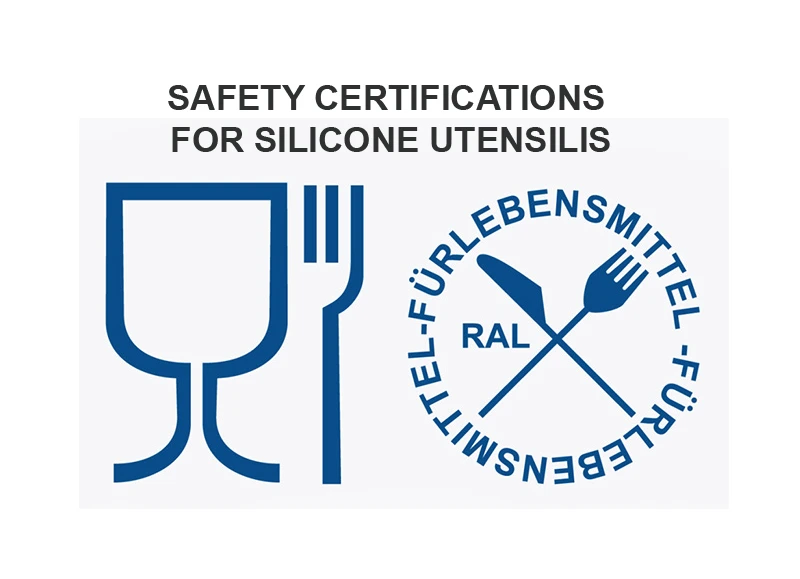
Safety certifications (FDA/LFGB) are the gold standard for trustworthy kitchen silicone tools.
5. Heat Resistance Test (Optional but Revealing)
Place a small piece (or the whole tool if you’re testing a cheap one) in boiling water for 10 minutes or near a hot pan.
- High-quality: Stays firm, no softening, no weird smells, handles up to 500°F (260°C) safely.
- Cheap fillers: Softens, deforms, emits odors, or even melts—ruining your meal and potentially releasing toxins.
Quick Comparison Table: High-Quality vs. Cheap Fillers
| Test / Feature | High-Quality Pure Silicone | Cheap Silicone with Fillers |
|---|---|---|
| Pinch/Stretch Test | No white color change | Turns white (strain whitening) |
| Odor | Completely odorless | Chemical or rubbery smell |
| Flexibility | Soft, bounces back instantly | Stiff, slow recovery, may crack |
| Heat Performance | Withstands high temps, no leaching | Softens, smells, or melts |
| Durability | Lasts years without staining or breaking | Degrades quickly, flakes, or discolors |
| Safety for Food Contact | FDA/LFGB certified, non-toxic | Risk of chemical migration |
| Best For | Everyday cooking, baking, baby food | Avoid—save for non-food use only |
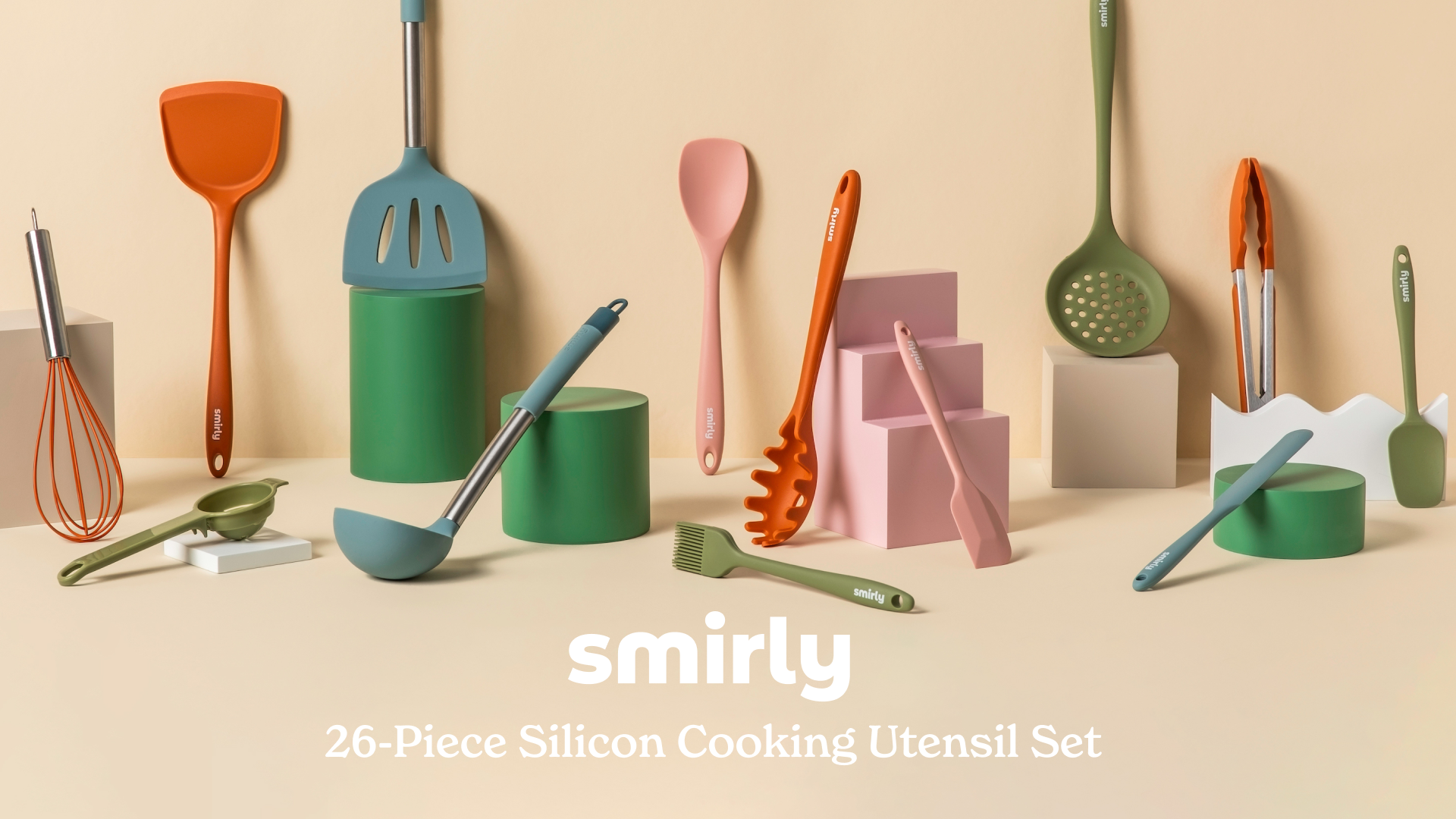
A beautiful high-quality silicone utensil set—perfect example of what to aim for in your kitchen.
Final Tips for Shopping the Best Kitchen Silicone Tools
- Buy from reputable brands that openly share certifications.
- Platinum-cured silicone is generally the safest and most durable.
- Avoid ultra-cheap no-name imports unless they pass every test above.
- Once you have quality kitchen silicone tools, they’ll pay for themselves: no melting, no odors, and easy cleanup for years.
Investing in pure silicone isn’t just about performance—it’s about peace of mind for you and your family. Next time you’re in the store or shopping online, do the pinch test and smell check. Your kitchen (and your health) will thank you!
Happy cooking with safe, high-quality kitchen silicone tools!
:strip_icc()/bhg-silicone-kithcen-tools-GettyImages-1413104337-cc08807ed7294b5486b164213f9816da.jpg)
Stylish and safe kitchen silicone tools ready for daily use.