





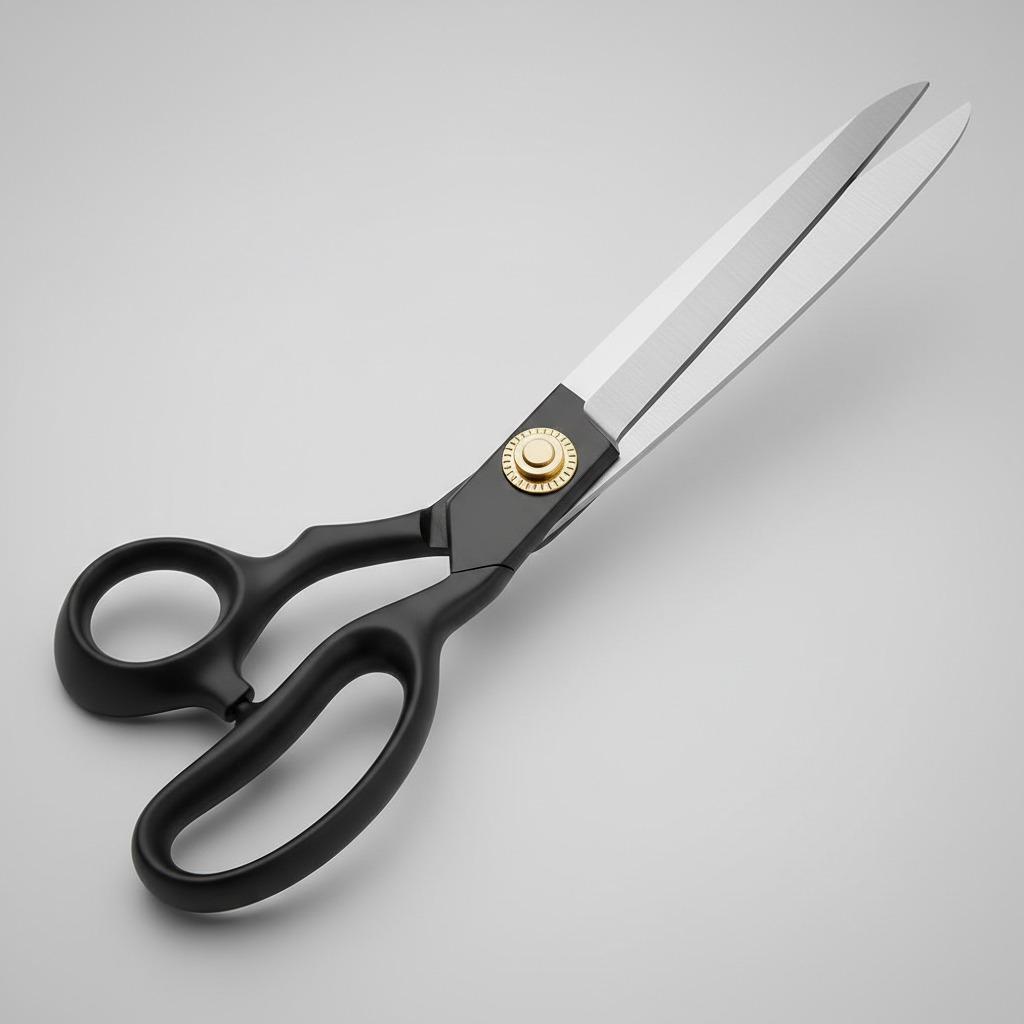
How to Sharpen Your Tailoring Shears at Home: A Comprehensive Guide
Tailoring shears, also known as large sewing scissors, are essential tools for anyone involved in sewing, crafting, or fabric work. Over time, their blades can dull from repeated use, leading to jagged cuts and frustration. While professional sharpening services exist, learning how to sharpen them at home can save time and money. This guide will walk you through simple, effective methods using household items or affordable tools, ensuring your shears stay razor-sharp.

Why Sharpen at Home?
Sharpening at home is convenient, cost-effective, and empowers you to maintain your tools without relying on external services. Dull shears can damage fabrics, cause uneven cuts, and increase the risk of hand strain. Regular maintenance extends the life of your shears, especially high-quality ones made from stainless steel or carbon steel.
Materials You'll Need
Before starting, gather these items:
- A whetstone (sharpening stone) with medium and fine grit sides.
- Aluminum foil (for a quick fix).
- Sandpaper (medium grit, around 200-400).
- Clean cloth or paper towels.
- Optional: Lubricating oil for the pivot point.
:max_bytes(150000):strip_icc()/faw-product-king-whetstone-starter-set-1000-6000-nsimpson-4110-c9eb3efbdbed469693a44e3baedb3d2f.jpeg)
Step-by-Step Guide to Sharpening
Follow these methods based on what you have available. Always work in a well-lit area and wear protective gloves if needed.
Method 1: Using a Whetstone (Recommended for Best Results)
- Soak the whetstone in water for 5-10 minutes if it's a water stone.
- Disassemble the shears if possible by removing the screw at the pivot.
- Hold one blade at a 10-15 degree angle against the coarse side of the stone.
- Slide the blade along the stone in a smooth motion, from base to tip, applying light pressure. Repeat 5-10 times.
- Flip to the fine side and repeat for a polished edge.
- Reassemble and test on scrap fabric.
This method provides a precise, professional-like edge.
Method 2: Using Aluminum Foil (Quick and Easy)
- Fold a sheet of aluminum foil into 6-8 layers.
- Cut through the folded foil multiple times (10-20 cuts) with the full length of the blades.
- Wipe the blades clean to remove any residue.

This hack removes minor burrs but isn't a substitute for proper sharpening.
Method 3: Using Sandpaper (For Moderate Dullness)
- Fold sandpaper in half with the gritty side out.
- Cut through the sandpaper 10-15 times, ensuring the blades engage fully.
- Alternatively, lay the sandpaper flat and rub each blade against it at the correct angle.
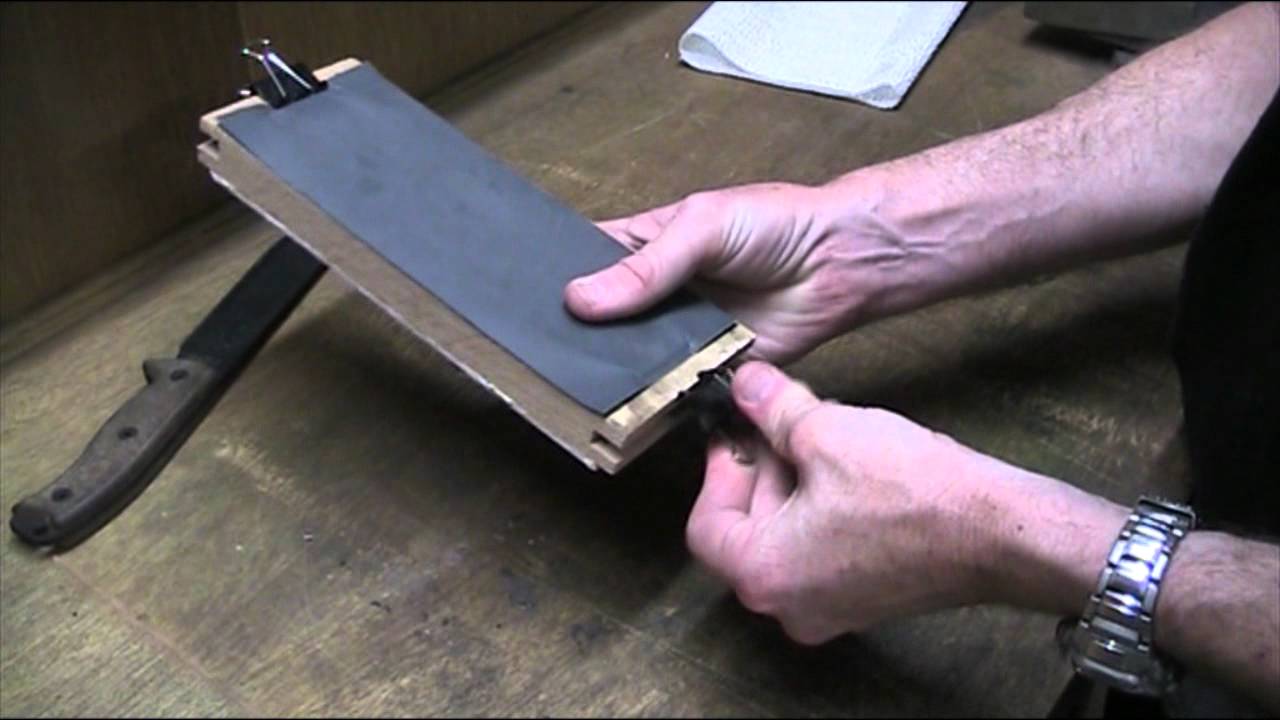
After any method, wipe the blades and apply a drop of oil to the pivot for smooth operation.
Product and Solution Comparison
When choosing a sharpening method or product, consider factors like cost, effectiveness, and ease of use. Below is a comparison of home solutions versus dedicated products.
| Aspect | Aluminum Foil Method | Sandpaper Method | Whetstone | Professional Scissor Sharpener Tool |
|---|---|---|---|---|
| Cost | Free (household item) | Low ($1-5) | Medium ($10-30) | Higher ($20-50) |
| Effectiveness | Low (temporary fix for light dullness) | Medium (good for moderate edges) | High (precise, long-lasting) | Very High (consistent results) |
| Ease of Use | Very Easy | Easy | Moderate (requires technique) | Easy (guided slots) |
| Durability Impact | Minimal | Moderate | High | High |
| Best For | Quick touch-ups | DIY enthusiasts | Regular maintenance | Frequent users |
For dedicated tools, a professional scissor sharpener like a handheld clamp-style device offers guided angles, making it foolproof.

Applicable Scenario Comparison
Sharpening needs vary by context. Here's how home sharpening fits into different scenarios:
| Scenario | Home Sharpening | Commercial Sharpening | Wholesale Purchase Considerations |
|---|---|---|---|
| Family/Home Use | Ideal for occasional sewing projects. Cost-effective and simple methods like foil or sandpaper suffice for 1-2 pairs of shears. | Rarely needed unless shears are heavily used. | Buy affordable bulk packs (e.g., 5-10 pairs) from suppliers like Amazon for family crafting kits. Focus on stainless steel for rust resistance. |
| Commercial Use (e.g., Tailor Shops) | Suitable for quick fixes, but not for high-volume. Use whetstones for better control. | Preferred: Use electric machines for efficiency on multiple tools daily. Reduces downtime. | Purchase in lots of 50+ from manufacturers for cost savings. Opt for durable carbon steel models that hold edges longer. |
| Wholesale Procurement | Home methods can maintain stock before sale, but test sharpness on samples. | Essential for quality control in bulk operations. Invest in industrial sharpeners. | Source from factories in bulk (100+ units). Compare suppliers based on material quality and edge retention; e.g., Japanese brands for precision. |
In commercial settings, a sharpening machine ensures consistency across many shears.
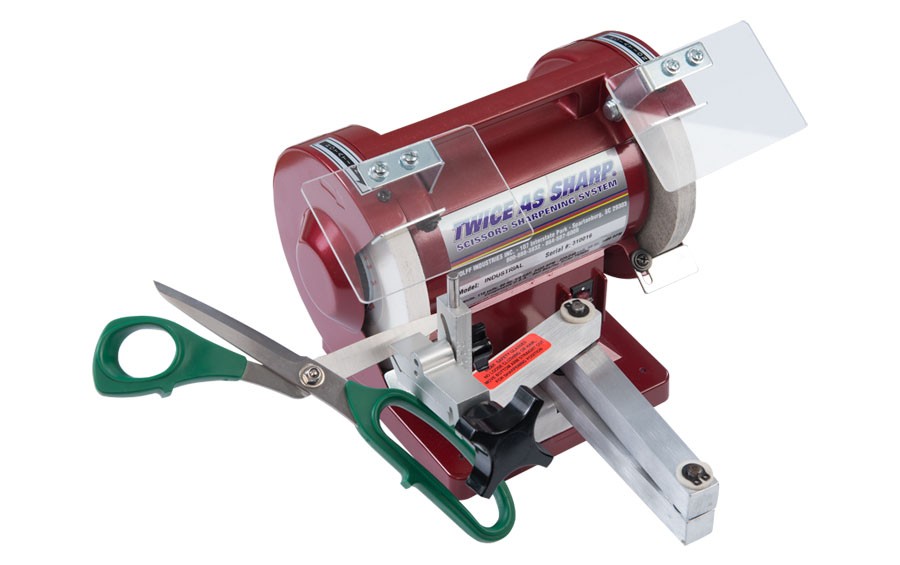
For wholesale, bulk purchases often include pre-sharpened shears, but knowing home methods helps in post-purchase maintenance.

Professional and Industry Perspective
From a tailor's viewpoint, sharp shears are crucial for clean cuts in fabrics like silk or denim, preventing fraying and ensuring precision in garment construction. In the sewing industry, professionals often recommend whetstones over gimmicks like foil, as they preserve the blade's original bevel angle (typically 20-30 degrees for shears). Industry experts, such as those from the American Sewing Guild, emphasize that improper sharpening can warp blades, leading to poor performance. For commercial operations, investing in electric sharpeners boosts productivity, with ROI seen in reduced fabric waste. In wholesale, sharpness is a key selling point—dull tools lead to returns. Always match the sharpening method to the shear's material: softer steels sharpen easily but dull faster, while harder alloys require finer grits.
Safety Tips and Maintenance
- Always sharpen away from your body.
- Test sharpness on paper or fabric scraps, not your skin.
- Clean shears after use and store in a protective case.
- Sharpen every 3-6 months depending on usage.
By mastering these techniques, you'll keep your tailoring shears in top condition, enhancing your crafting experience. If your shears are severely damaged, consider professional services or replacement. Happy sewing!