





How to Hold Scissors Correctly to Reduce Hand Fatigue
Prolonged scissor use commonly causes thumb / web space / wrist fatigue, and may even lead to tendinitis. The main culprits are excessive thumb force or inserting fingers too deeply, which over-tenses the muscles. The correct grip distributes effort more evenly, keeping the hand much more relaxed.
Recommended “Relaxed Grip” – The Most Effective Technique
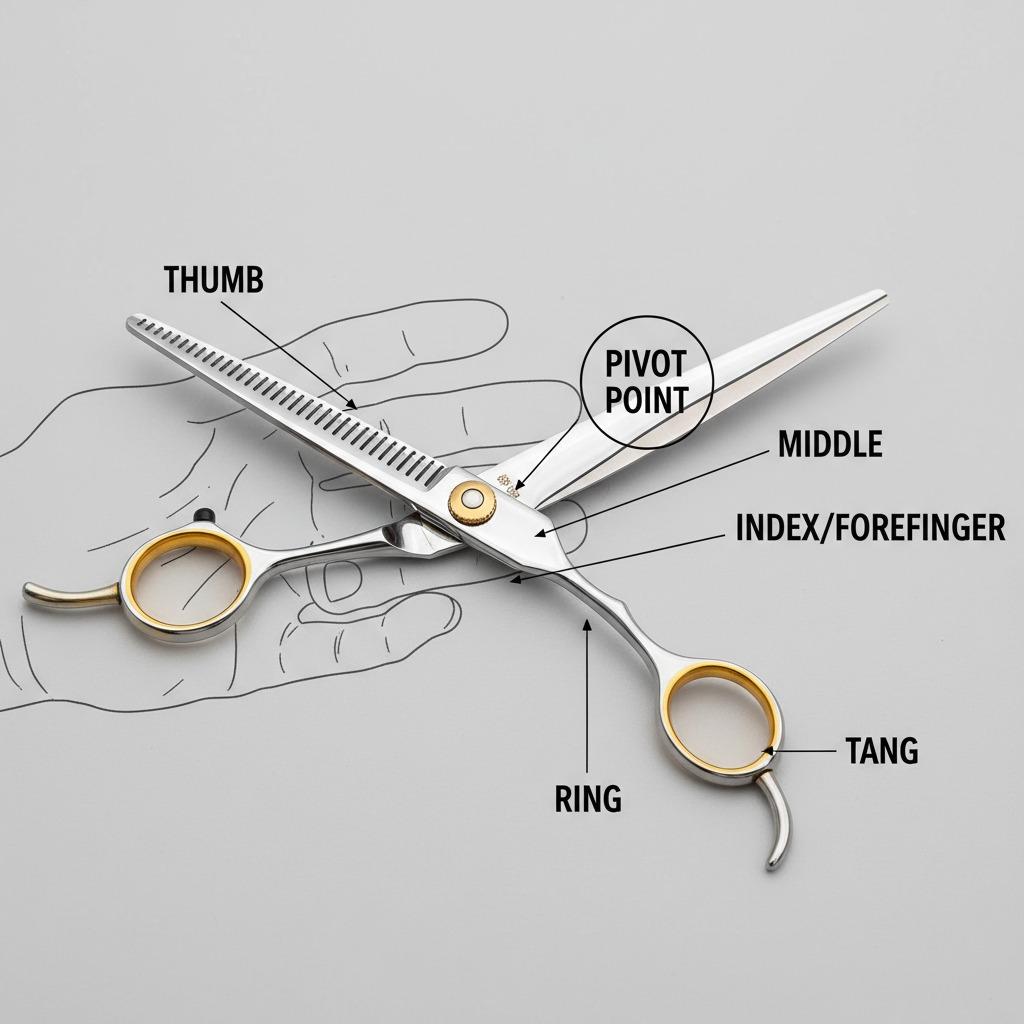
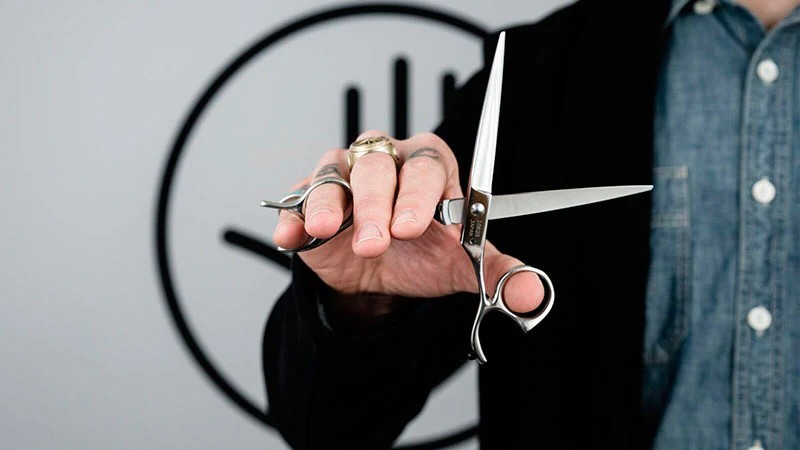
- Thumb: Insert only the tip of the thumb (the pad area) lightly into the thumb ring. Do not push the entire thumb in until it hits the bottom. Keep the thumb slightly bent, as if gently “pinching” the ring rather than gripping hard.
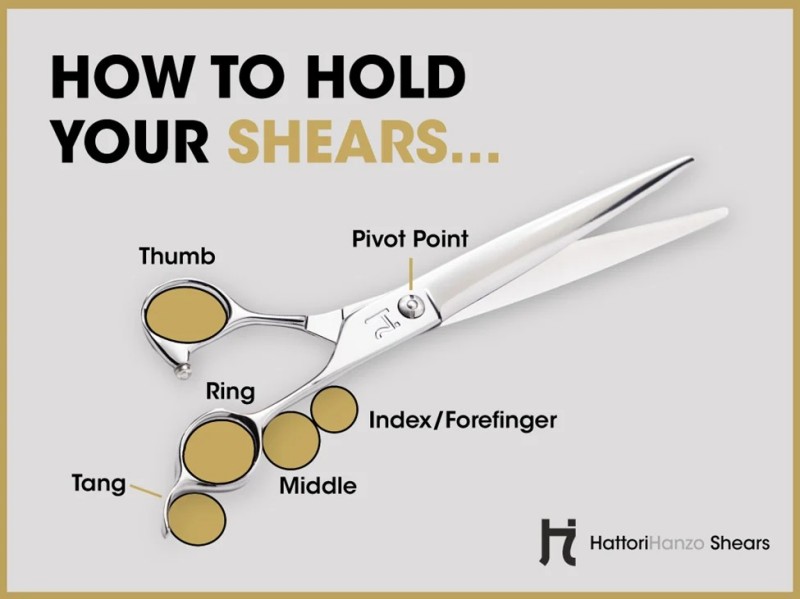
- Ring finger: Place it into the other loop, inserting only up to the first knuckle (the one closest to the fingertip). Do not push it in all the way to the base.
- Middle finger: Rest naturally against the outside of the ring-finger loop, providing extra support.
- Index finger: Lightly place it on the upper part of the scissor handle (near the pivot point) to guide direction and stabilize. Do not press down hard.
- Little finger: Curl naturally or rest lightly outside the handle; it does not need to go into any loop.
- Keep your wrist in a neutral, straight position — avoid excessive bending.

Common Incorrect Grips vs. Correct Grip Comparison
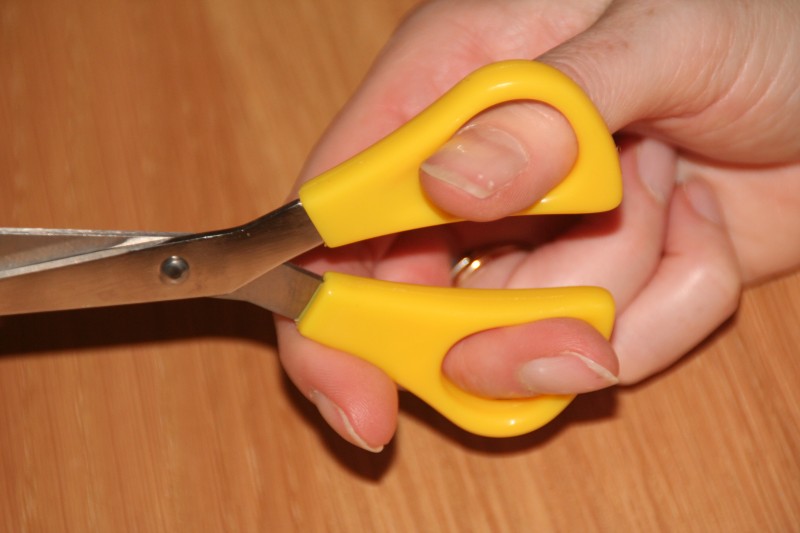
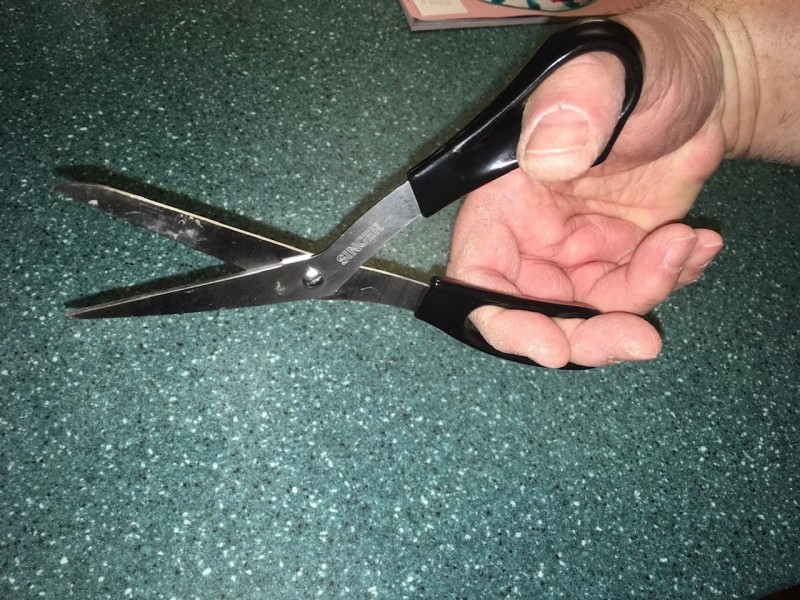
(These mistakes dramatically accelerate fatigue)
| Item | Incorrect Grip (Causes Fast Fatigue) | Correct Grip (Greatly Reduces Fatigue) | Reason for Fatigue Reduction |
|---|---|---|---|
| Thumb position | Whole thumb deeply inserted, pressing against the bottom | Only the tip (1/3–1/2) inserted, kept relaxed | Reduces over-contraction of thumb flexor |
| Ring finger depth | Inserted all the way to the base (second joint or deeper) | Inserted only to the first knuckle | Prevents excessive palm compression |
| Index finger role | Not used at all, or pressing down forcefully | Lightly resting on top for guidance | Distributes force across more muscles |
| Middle finger position | Idle or placed randomly | Pressed against the outside of the ring-finger loop | Increases stability, reduces thumb compensation |
| Overall hand tension | All five fingers gripping tightly | Thumb & ring finger lightly “hooked”, others assist | Lowers total muscle load by 30–50% |
| Wrist angle | Frequently flexed or raised | Kept in neutral position | Reduces pressure on the carpal tunnel |
Extra Tips to Further Reduce Fatigue
- Choose offset / ergonomic scissors (angled thumb ring, smaller and slanted thumb loop)
- Every 5–10 minutes of cutting, release your grip, shake hands for 5 seconds, and do open-hand stretches
- Use your arm and shoulder to drive the cutting motion instead of relying only on finger strength
- For very long sessions, consider wearing anti-vibration scissor gloves or using swivel/rotating finger-ring scissors
Once you get used to this grip style, many people notice a significant reduction in hand fatigue — especially during tasks like paper cutting, fabric trimming, or hair cutting that last over 30 minutes.
Practice a few times and your hands will feel noticeably lighter ✂️