






How to Choose the Right Kitchen Shears for Your Cooking Style
Kitchen shears (also called kitchen scissors) are far more than just fancy scissors. They’re a versatile, time-saving tool that can snip herbs in seconds, break down a whole chicken, trim pie crust, or even open packaging. But not all shears are created equal. Choosing the right pair depends entirely on your cooking style—whether you’re a weekend home cook, a meat-lover, an herb-obsessed gardener, a baker, or a busy professional chef.
In this guide, we’ll walk you through the key features to evaluate and how to match shears to the way you actually cook.
Understanding Kitchen Shears: More Than Just Scissors
True kitchen shears are designed for food safety, easy cleaning, and heavy use. Look for:
- Take-apart blades (for thorough cleaning)
- Dishwasher-safe construction
- A safety lock
- Serrated or micro-serrated edges that grip slippery foods
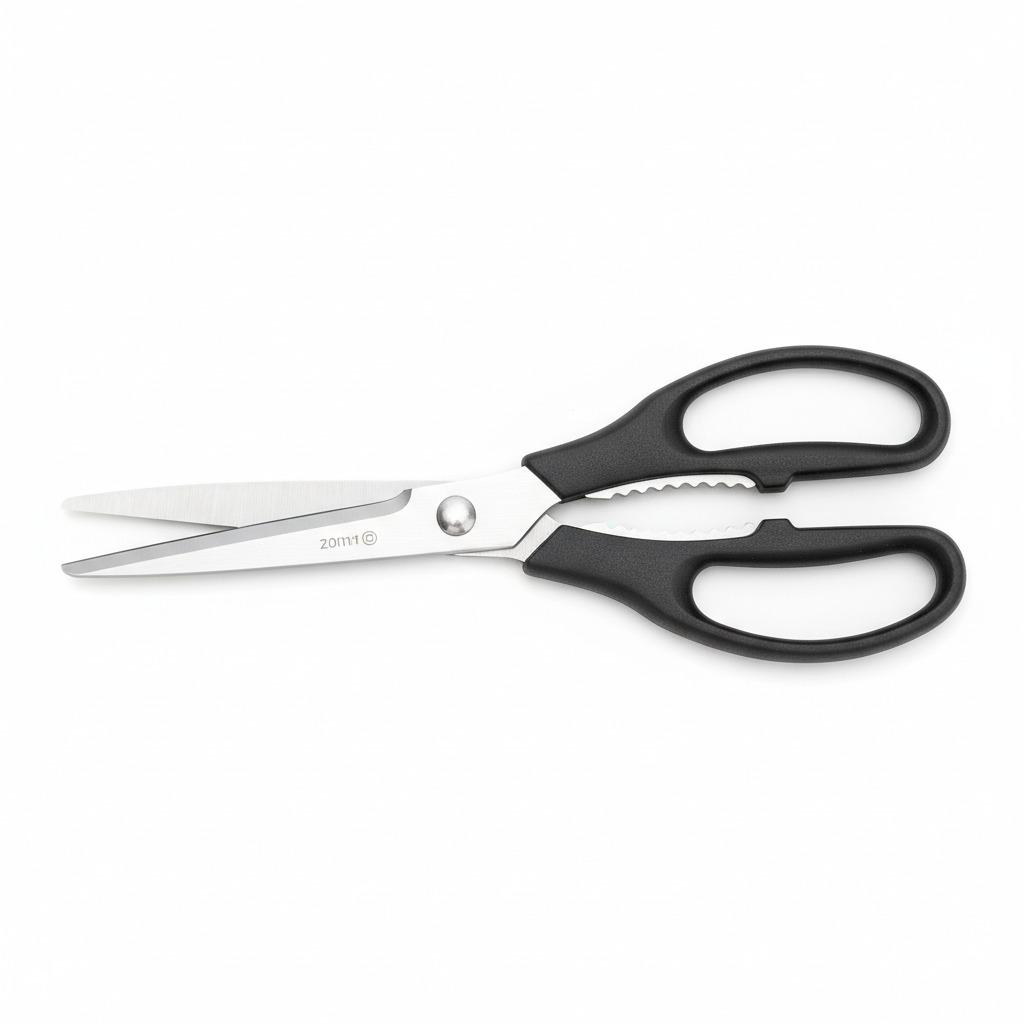
Here’s a classic example of high-quality stainless steel blades with serrated edges—perfect for everything from chicken skin to tough vegetables.

Key Features to Consider Before You Buy
1. Blade Material & Edge
- Stainless steel (most common, rust-resistant, easy to sharpen)
- High-carbon steel (holds edge longer but needs more care)
- Serrated blades grip meat and herbs without slipping
2. Handle Design & Ergonomics
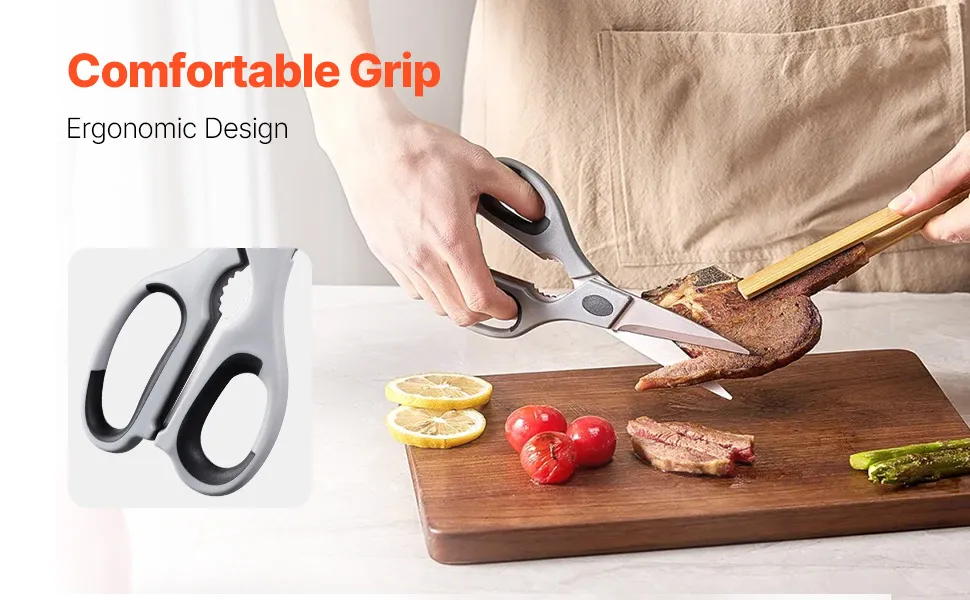
Comfort is everything when you’re cutting 20 bunches of cilantro or jointing a turkey. Soft-grip, contoured handles reduce hand fatigue and work for both right- and left-handed users.
3. Size & Weight
- 8–9 inches is ideal for most home cooks
- Heavier shears = more power for bones
- Lighter shears = better control for delicate work
4. Bonus Features
Many modern shears include a built-in bottle opener, nutcracker, or bone notch—handy if your cooking style involves multitasking.

Match Shears to Your Cooking Style
Everyday Home Cooking
You need one reliable pair that does it all. Choose versatile all-purpose shears with comfortable grips and take-apart blades.
Herb & Delicate Prep (Salads, Garnishes, Asian Cooking)
If you grow herbs or love fresh cilantro, basil, and chives, multi-blade herb shears are a game-changer. Five parallel blades chop herbs in one snip without bruising.

Meat & Poultry Lovers
Roast chicken, Thanksgiving turkey, or barbecue ribs? You need heavy-duty poultry shears with thick blades and a strong spring mechanism to cut through bones cleanly.
:max_bytes(150000):strip_icc()/sea-williams-sonoma-prep-tools-poultry-shears-ashlee-redger-01-a5a7572c4fdd4957b9facc897a455fc9.jpeg)
Baking & Pastry
Precision matters. Look for pointed-tip shears for snipping dough, parchment, or lattice strips.
Professional or High-Volume Cooking
Invest in premium forged steel shears that can handle 8+ hours of use daily.
Quick Comparison Table
| Cooking Style | Recommended Type | Must-Have Features | Example Models (Popular 2025–2026) | Price Range (USD) |
|---|---|---|---|---|
| Everyday Home Cook | All-purpose stainless steel | Take-apart, soft grip, serrated blades | OXO Good Grips, KitchenAid | $15–35 |
| Herb & Delicate | Multi-blade herb shears | 5–10 parallel blades, cleaning comb | Jenaluca 5-Blade, RSVP | $12–25 |
| Meat & Poultry | Heavy-duty poultry shears | Bone notch, spring-loaded, thick blades | Wüsthof, Shun, Gerior | $40–90 |
| Baking & Pastry | Precision pointed-tip shears | Lightweight, fine tip, no serration needed | Henckels, Global | $20–45 |
| Professional Chef | Premium forged all-purpose | High-carbon steel, balanced weight | Victorinox, Messermeister | $60–150+ |
Pro Tips for Buying & Maintaining Shears
- Test in store — Grip several pairs; the right ones should feel like an extension of your hand.
- Check dishwasher safety — Not all “dishwasher-safe” models survive the top rack forever.
- Sharpen annually — Use a ceramic rod or send to a professional.
- Store properly — Use the included sheath or hang them to protect the blades.