





At first, household scissors seem easy to source. They are small, familiar, and useful in almost every home. But for importers, supermarkets, online sellers, and private-label buyers, the real problems often appear after bulk delivery: blades do not stay aligned, handles feel uncomfortable, packaging looks too generic, or the same pair of scissors is expected to serve paper cutting, food packaging, light craft, home repair, and daily storage tasks. A professional household scissors supplier should help buyers avoid these problems before production begins. BONET’s scissors range covers kitchen and household-use cutting tools, making it suitable for buyers who need practical scissors with clear retail value and stable supply.
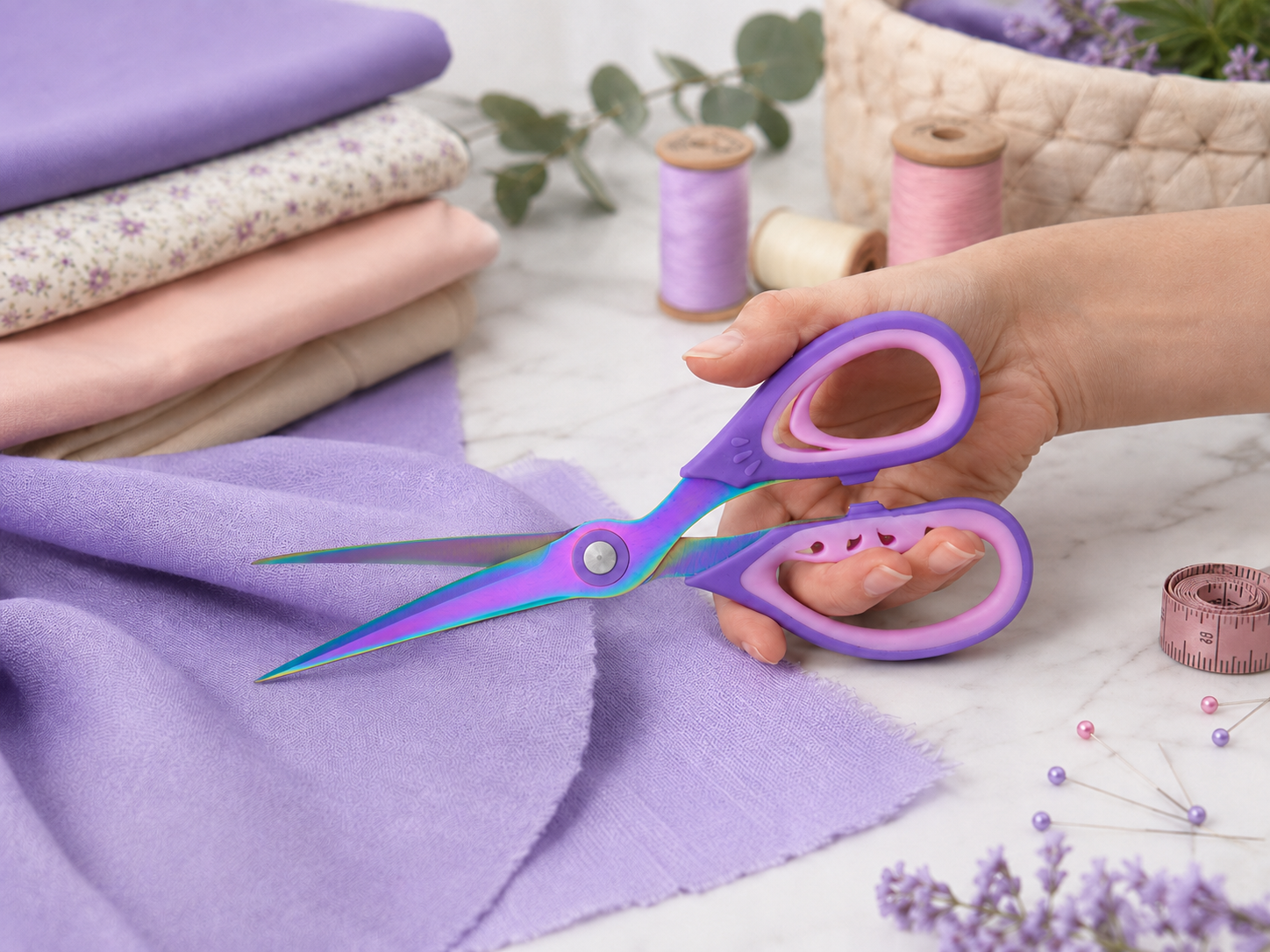
Why Household Scissors Often Fail in Retail Programs
The biggest risk with household scissors is not that the product cannot cut at all. The bigger risk is that it cuts “just enough” during sample testing but feels weak in daily use.
Common problems include:
- Blades that cut paper but struggle with thicker packaging
- Pivot screws that become loose after repeated use
- Handles that are too narrow, hard, or slippery
- Product positioning that is too vague for retail shelves
- Packaging that fails to explain whether the scissors are for home, kitchen, craft, or general utility use
- Bulk quality that does not match the approved sample
This is where choosing the right household scissors supplier matters. The supplier should understand both product structure and retail selling logic.
Blade Material, Pivot Control, and Handle Design Matter
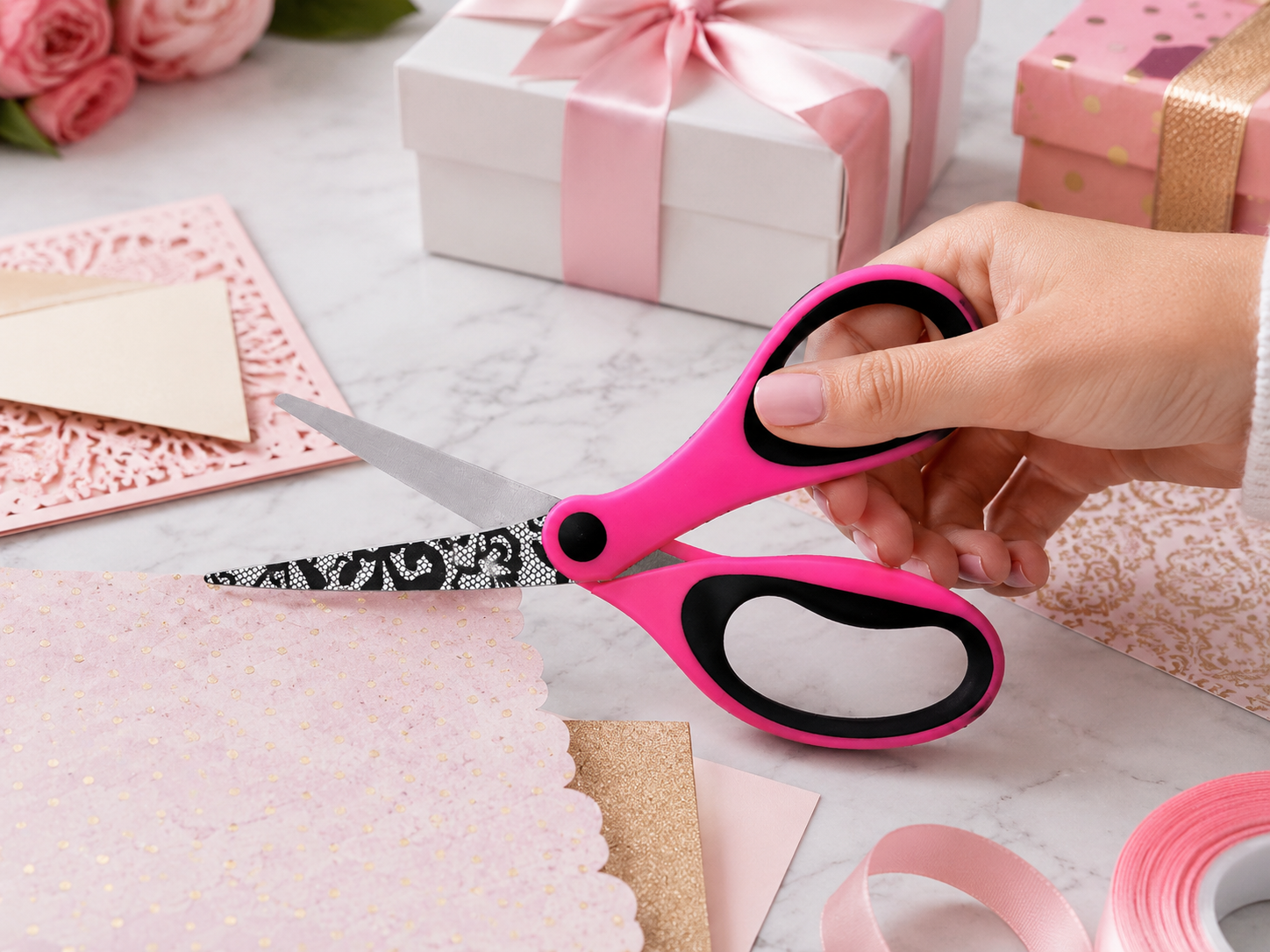
Household scissors are used for many tasks: opening parcels, cutting labels, trimming paper, handling light packaging, clipping string, and sometimes helping with simple kitchen or craft work. Because the use cases are broad, the structure must be balanced.
Buyers should pay attention to:
- Stainless steel blade material and rust-resistance expectations
- Blade thickness and edge grinding consistency
- Pivot tightness and opening smoothness
- Handle shape, finger space, and grip comfort
- Tip design for safer daily storage and handling
- Surface finish and burr control
For scissors used around food packaging or kitchen-adjacent tasks, material awareness is also important. The U.S. FDA explains that food-contact substances can include cookware, food-preparation surfaces, processing equipment, and packaging components. While not all household scissors are direct food-contact tools, buyers selling scissors for kitchen or food-packaging use should still pay attention to material suitability and cleaning expectations.
Low-Cost Supplier vs Retail-Ready Household Scissors Supplier
| Factor | Low-Cost Supplier | Retail-Ready Supplier |
|---|---|---|
| Product positioning | One generic scissor for all uses | Clear household, utility, kitchen-adjacent, or craft use |
| Blade quality | Sharp enough in samples | Controlled blade alignment and cutting consistency |
| Handle design | Basic plastic handle | Comfortable grip matched to daily household use |
| Safety detail | Minimal consideration | Better tip design, packaging protection, and use instructions |
| Packaging | Plain bag or simple card | Retail display, shelf clarity, and shipping protection |
| OEM support | Limited options | Color, handle style, logo, packaging, and product-line planning |
| Bulk stability | Sample and shipment may differ | Defined QC points before production |
For retail buyers, this difference matters because household scissors are often low-price but high-volume products. A small quality issue can create many complaints once the product enters supermarkets, online stores, or wholesale channels.
How to Build a Household Scissors Line for Different Channels
A capable household scissors supplier should help buyers separate products by use case instead of selling one generic model for every market.
A practical household scissors line can include:
- Basic household scissors for daily paper and packaging tasks
- Multi-purpose household scissors for home, kitchen, and utility use
- Soft-grip household scissors for comfort-focused retail channels
- Compact household scissors for drawers, offices, and small apartments
- OEM household scissors with customized handle colors and packaging
For supermarkets, the product should be easy to understand within a few seconds. For online sellers, product images should clearly show blade size, handle grip, cutting use, and packaging. For distributors, carton quantity, reorder stability, and price-level structure matter. For private-label buyers, handle color, logo placement, blister card, and barcode area can influence shelf performance.
Case Insight: When a Generic Scissors SKU Sold Poorly
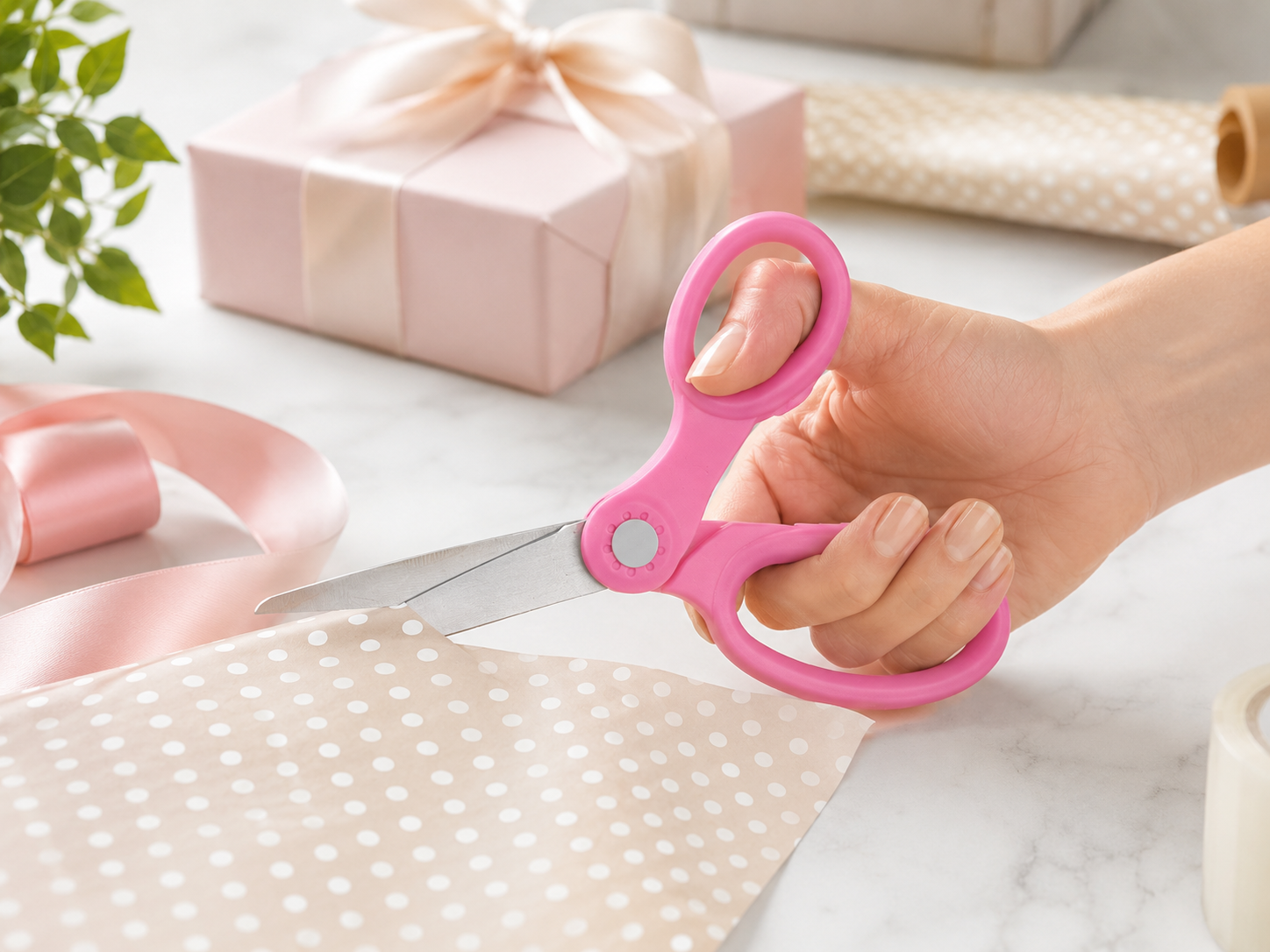
A homeware distributor once prepared a general household scissors SKU for both supermarkets and e-commerce. The first sample looked clean and affordable. But during product review, the team noticed that the package did not explain the scissors’ use case. Was it for paper? Packaging? kitchen drawers? craft work? The product was useful, but the selling message was unclear.
A better plan separated the line into two products: one basic home-use scissor for mass retail and one multi-purpose household scissor with stronger packaging and clearer application icons. The supplier also adjusted handle color and packaging copy for different channels. The result was a more structured retail program, not just another low-cost scissors listing.
Quality Control Behind Repeat Orders
Household scissors may be simple, but quality control should still be structured. Before shipment, buyers should check blade alignment, pivot smoothness, handle strength, cutting consistency, surface finish, rust prevention, packaging fit, and carton protection.
ISO describes ISO 9001 as a globally recognized quality management standard that helps organizations improve quality management and customer satisfaction. For scissors sourcing, that principle is practical: stable inspection and repeatable production reduce the risk of inconsistent bulk orders.
Consumer product safety should also be part of retail thinking. The U.S. Consumer Product Safety Commission works to reduce unreasonable risks associated with consumer products and provides resources for manufacturers, importers, and sellers. For household scissors, this reinforces the need for appropriate packaging, clear use positioning, and safe handling considerations.
What Buyers Should Check Before Ordering Household Scissors in Bulk
Before choosing a household scissors supplier, buyers should evaluate:
- Does the product match a clear household use scenario?
- Are the blades suitable for paper, packaging, and light daily tasks?
- Is the pivot stable after repeated opening and closing?
- Does the handle feel comfortable for different hand sizes?
- Is the packaging safe, clear, and retail-ready?
- Can the supplier support OEM color, logo, packaging, and carton requirements?
- Are inspection standards defined before bulk production?
For buyers comparing BONET’s product categories, the BONET product page is the best starting point. For product knowledge and common sourcing topics, the BONET blog page can support further review.
Frequently Asked Questions
Q: What is the difference between household scissors and kitchen scissors?
A: Household scissors are usually designed for general home use, such as paper, packaging, labels, string, and light daily cutting. Kitchen scissors are more focused on food preparation, stronger cutting tasks, and washable structures.
Q: What should buyers check when sourcing household scissors wholesale?
A: Buyers should check blade alignment, edge finish, pivot stability, handle comfort, packaging strength, carton protection, and whether the product positioning matches the target retail channel.
Q: Can household scissors be customized for private-label programs?
A: Yes. A professional supplier can support handle color, packaging design, logo placement, barcode area, carton requirements, and product-line planning for retail or online sales.
A More Practical Way to Work With a Household Scissors Supplier
Choosing a household scissors supplier is not only about buying a low-cost daily tool. It is about building a scissor product that feels useful at home, looks clear on retail shelves, and remains stable across repeat orders. BONET’s scissors and kitchenware range supports importers, wholesalers, supermarkets, online sellers, and private-label buyers looking for practical cutting tools with retail value.
For product selection and category planning, start from the BONET product page. For company background, Yangjiang manufacturing positioning, and cooperation information, visit the BONET About Us page.