





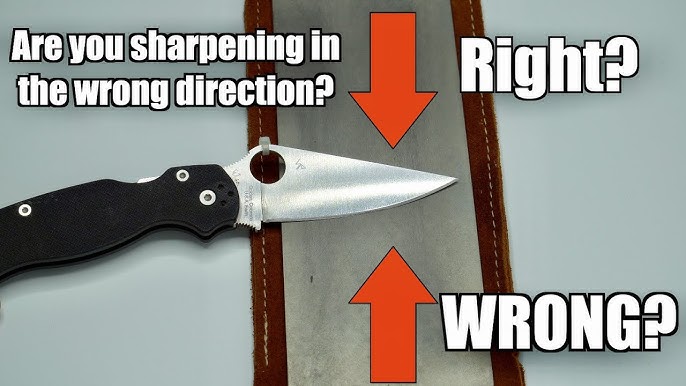
Ultimate Guide to Kitchen Knife Maintenance: Keep Your Blades Sharp and Safe
A well-maintained kitchen knife isn't just a tool—it's an extension of your hand in the kitchen. Proper care extends the life of your blades, ensures safety, and improves cutting efficiency. Whether you're a home cook or a professional chef, this guide covers everything from basic routines to advanced insights. We'll also compare maintenance products and solutions for different scenarios, and dive into professional perspectives on lifespan and material compatibility.
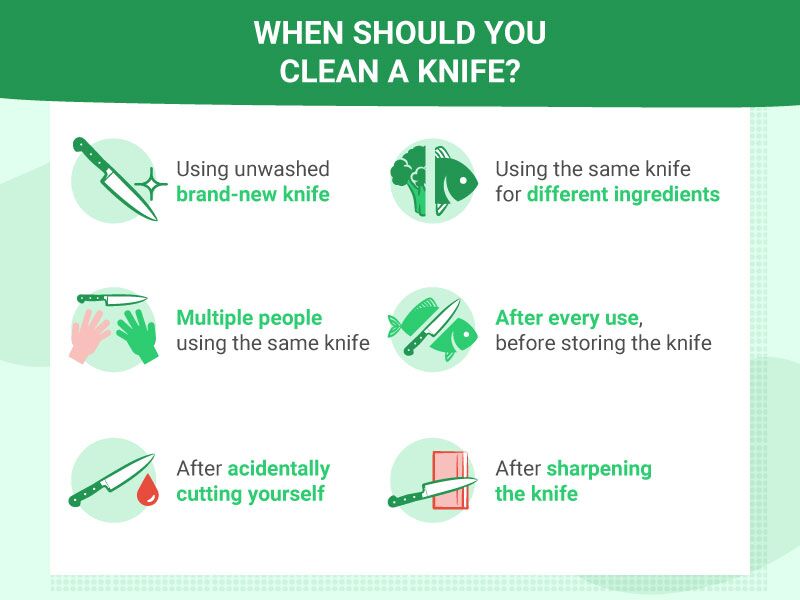
Infographic on essential knife cleaning and storage steps.
Why Knife Maintenance Matters
Dull or dirty knives lead to accidents, uneven cuts, and faster wear. Regular maintenance can double or triple a knife's lifespan, saving you money and frustration. Key elements include cleaning, drying, storage, honing, and sharpening.
Basic Maintenance Steps
Follow these simple routines to keep your knives in top shape.
Step 1: Cleaning Wash knives immediately after use with warm soapy water and a soft sponge. Avoid dishwashers, as high heat and detergents can damage edges and handles. For stubborn residue, use a baking soda paste.
Step 2: Drying Always dry knives thoroughly with a clean towel to prevent rust, especially on carbon steel blades. Air-drying can lead to water spots or corrosion.
Step 3: Storage Store knives to protect edges from dings. Options include knife blocks, magnetic strips, or drawer inserts. Never toss them loose in a drawer.


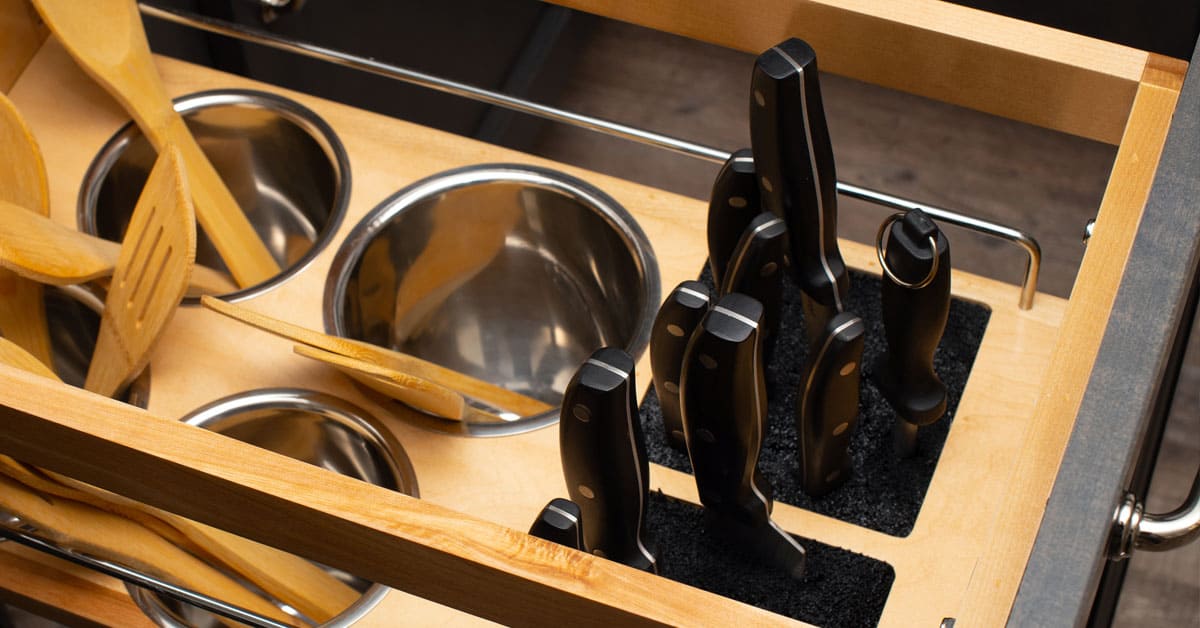
Various knife storage solutions: drawer organizer, magnetic strip, and block.
Step 4: Honing Use a honing steel weekly to realign the edge. Hold at a 20° angle and swipe the blade alternately on each side 5-10 times.
Step 5: Sharpening Sharpen every 1-3 months (or as needed) using a whetstone, pull-through sharpener, or professional service. Test sharpness by slicing paper or a tomato.

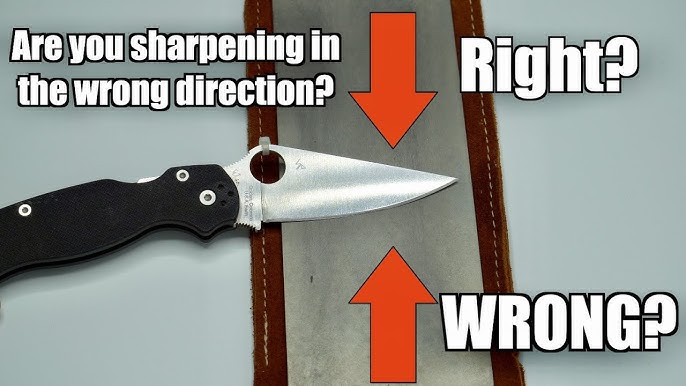
Before and after sharpening: See the dramatic difference in edge quality.
Product and Solution Comparison
Choosing the right maintenance tools depends on your needs. Below, we compare popular options like honing steels, whetstones, electric sharpeners, and pull-through models.
| Product/Solution | Pros | Cons | Cost Range |
|---|---|---|---|
| Honing Steel | Quick daily use; maintains edge without removing metal | Doesn't sharpen dull blades | $10-50 |
| Whetstone | Precise control; works on all materials | Steep learning curve; time-consuming | $20-100 |
| Pull-Through Sharpener | Easy for beginners; fast | Can wear edges faster if overused | $15-40 |
| Electric Sharpener | Consistent results; multi-stage | Expensive; may overheat blades | $50-200 |
| Professional Service | Expert results; ideal for high-end knives | Inconvenient; costs per knife | $5-20 per blade |



Visual comparison of knife sharpening tools for various uses.
Applicable Scenarios Comparison
- Home Use: Opt for affordable, user-friendly options like pull-through sharpeners and magnetic strips. Ideal for occasional cooking—focus on ease and safety to avoid accidents in a busy household.
- Commercial Kitchen: Choose durable, high-volume solutions like electric sharpeners and professional-grade whetstones. These handle daily heavy use in restaurants, where speed and consistency are key to maintaining efficiency during peak hours.
- Wholesale Purchase: For bulk buyers (e.g., suppliers or large operations), invest in whetstones or services with long-term value. Prioritize cost-per-use and compatibility with mixed knife types to minimize downtime and replacement costs.
Professional and Industry Perspective
From chefs and knife makers, maintenance isn't optional—it's essential for performance and longevity.
Impact on Knife Lifespan
Proper care can extend a knife's life from 5-10 years to 20+ years. Neglect leads to chipping, rust, and dulling, increasing replacement frequency. For instance, honing prevents micro-damage, while over-sharpening removes too much metal, shortening usability. In professional kitchens, consistent maintenance reduces injury risks by 50% and boosts productivity.
Compatibility with Different Knife Materials
Not all methods suit every material—mismatch can cause damage.
- Stainless Steel: Versatile and rust-resistant; compatible with all sharpeners. Ideal for beginners—honing steels work best for daily upkeep.
- Carbon Steel: Sharper but prone to rust; avoid water exposure. Use whetstones for precise sharpening; oil after drying to protect.
- Ceramic: Extremely hard and lightweight; brittle edges chip easily. Stick to diamond-coated sharpeners—avoid steels or coarse stones.
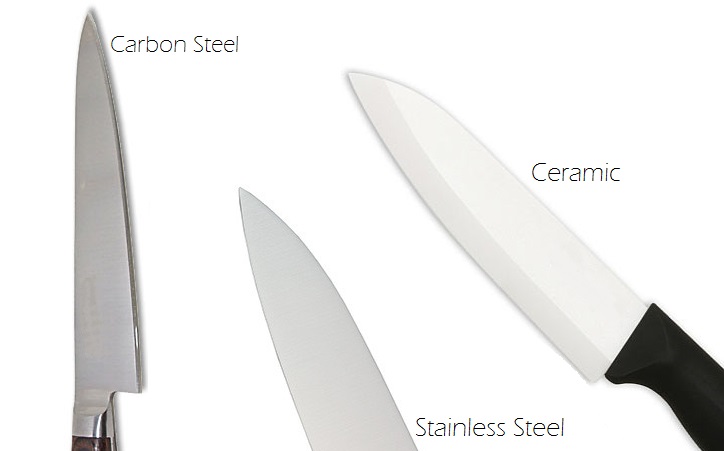
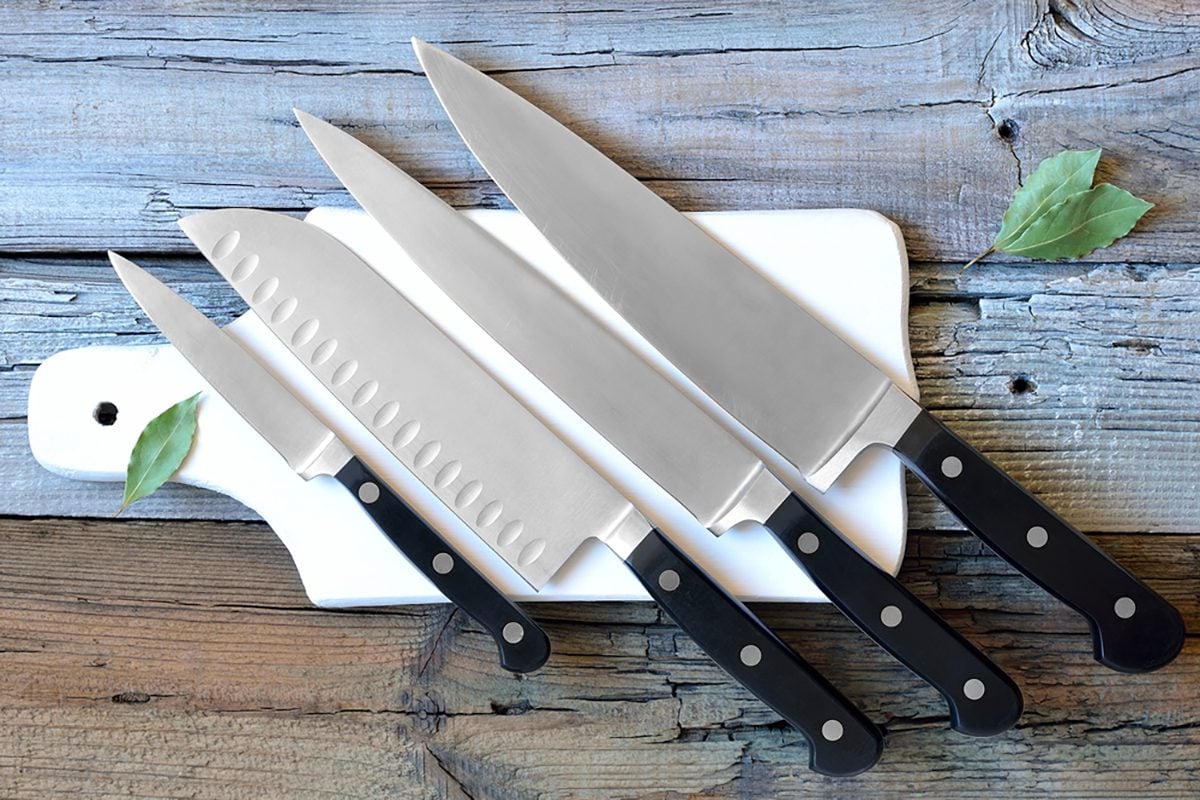
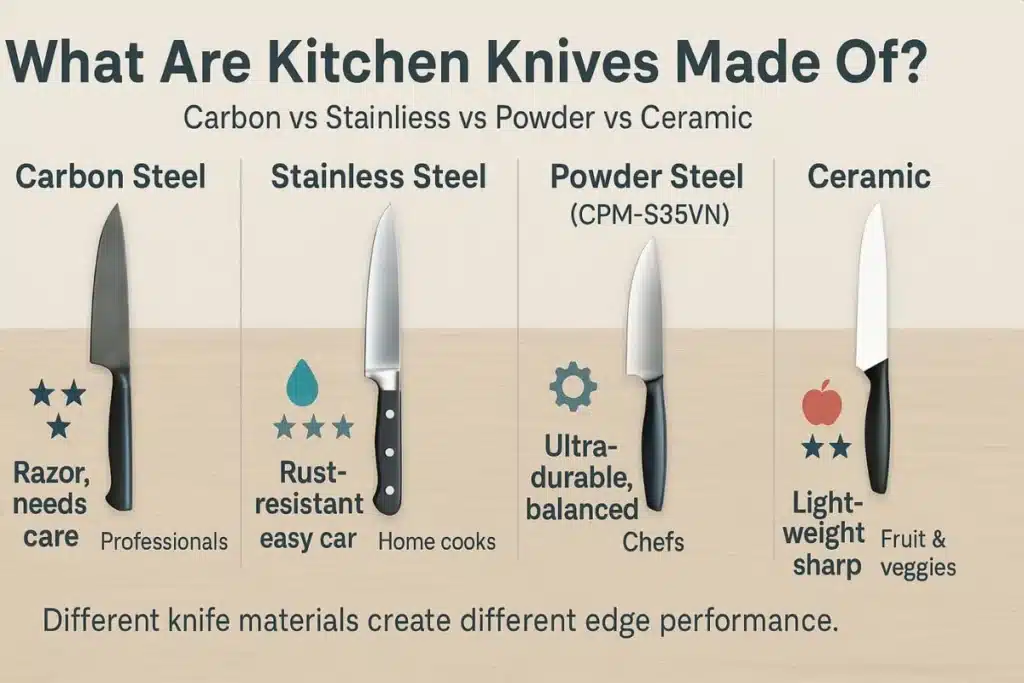
Examples of different knife materials: carbon steel, stainless steel, and ceramic.
Final Tips and Best Practices
- Inspect knives weekly for damage.
- Use cutting boards made of wood or plastic—never glass.
- Store in a dry, cool place away from moisture.
Maintaining your knives pays off in safer, more enjoyable cooking. Explore our selection of maintenance tools and knives on the shop—tailored for home, commercial, or bulk needs.
Happy cooking!