





How Humidity and Storage Conditions Affect Blade Corrosion in Household Scissors
Understanding why your everyday household scissors lose their sharpness and develop ugly rust spots — and how to prevent it.
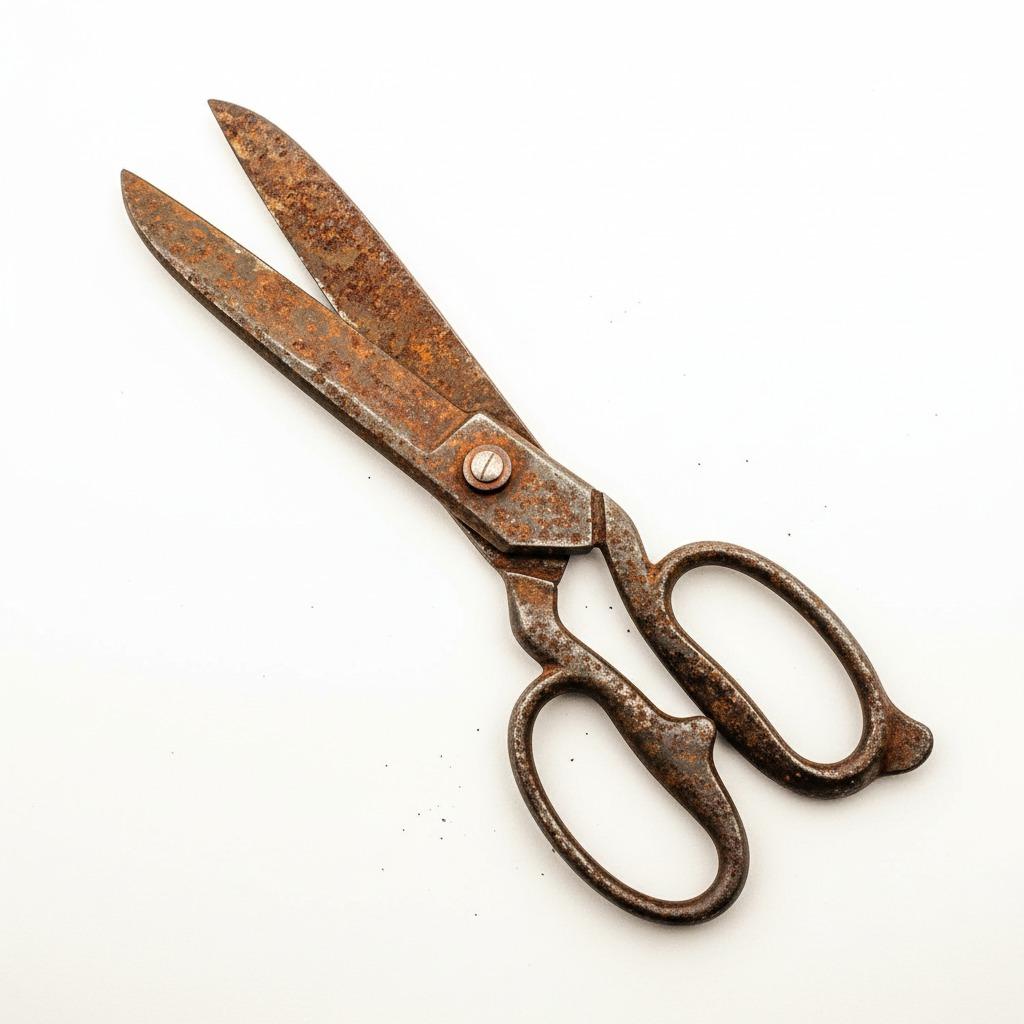
Household scissors are essential kitchen and home tools, but their blades are vulnerable to corrosion, especially in humid climates like many parts of Hong Kong or coastal areas. Corrosion, commonly known as rust, occurs when metal reacts with oxygen and moisture, forming iron oxide that weakens the blade, causes pitting, and dulls the cutting edge.
High humidity accelerates this process dramatically. When relative humidity exceeds 60%, a thin layer of moisture forms on metal surfaces, acting as an electrolyte that enables electrochemical reactions leading to rust. Temperature fluctuations worsen the issue by causing condensation on the blades.


Examples of rusty household scissors affected by prolonged moisture exposure. Notice the pitting and discoloration on the blades.
The Science Behind Humidity-Induced Corrosion
Rust forms via this simplified reaction on iron or carbon steel blades (common in many household scissors):
4Fe + 3O₂ + 6H₂O → 4Fe(OH)₃ (which dehydrates into rust).
Even "stainless steel" scissors can corrode if the protective chromium oxide layer is compromised by persistent moisture, chlorides (from sweat or salt), or poor maintenance. In high-humidity environments, airborne water vapor constantly supplies the necessary H₂O, speeding up oxidation. Poor drying after washing or use leaves residual moisture, turning small spots into deep pits over time.
Temperature swings create condensation: moving cold scissors into a warm, humid room causes "flash rusting" — rapid orange spots appear where moisture pools.
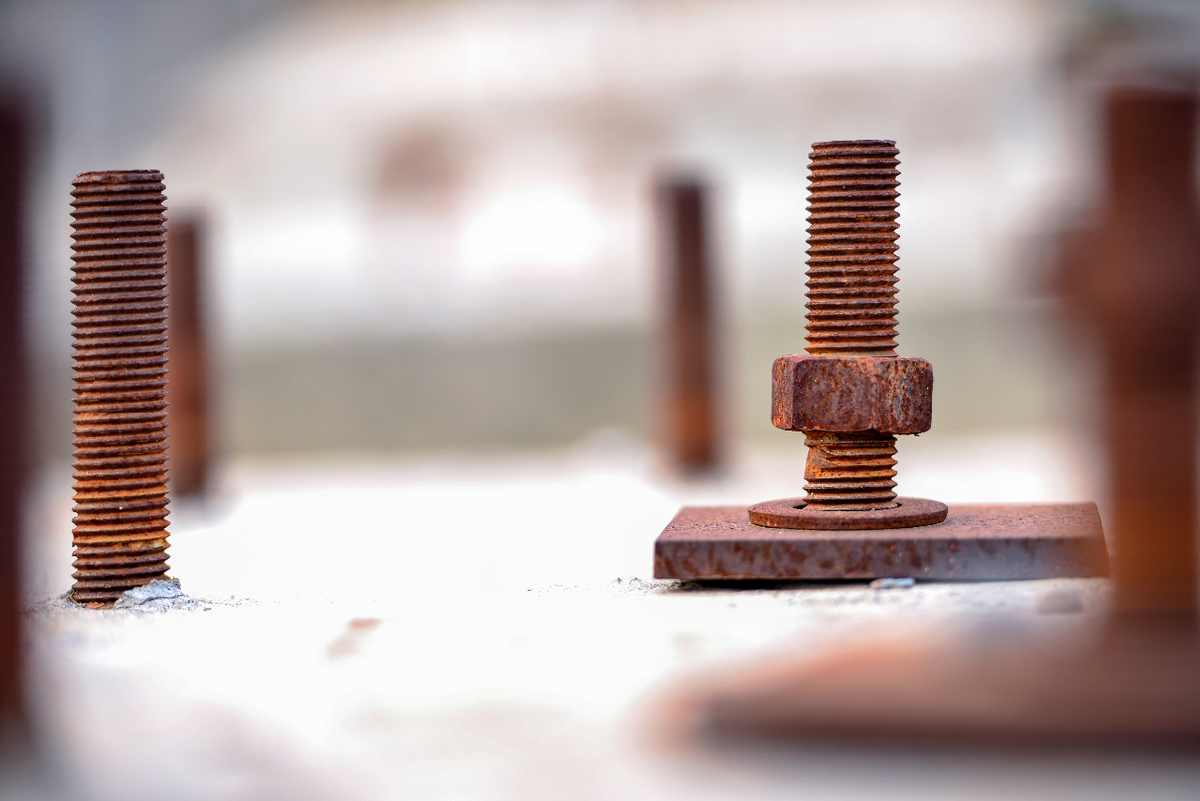
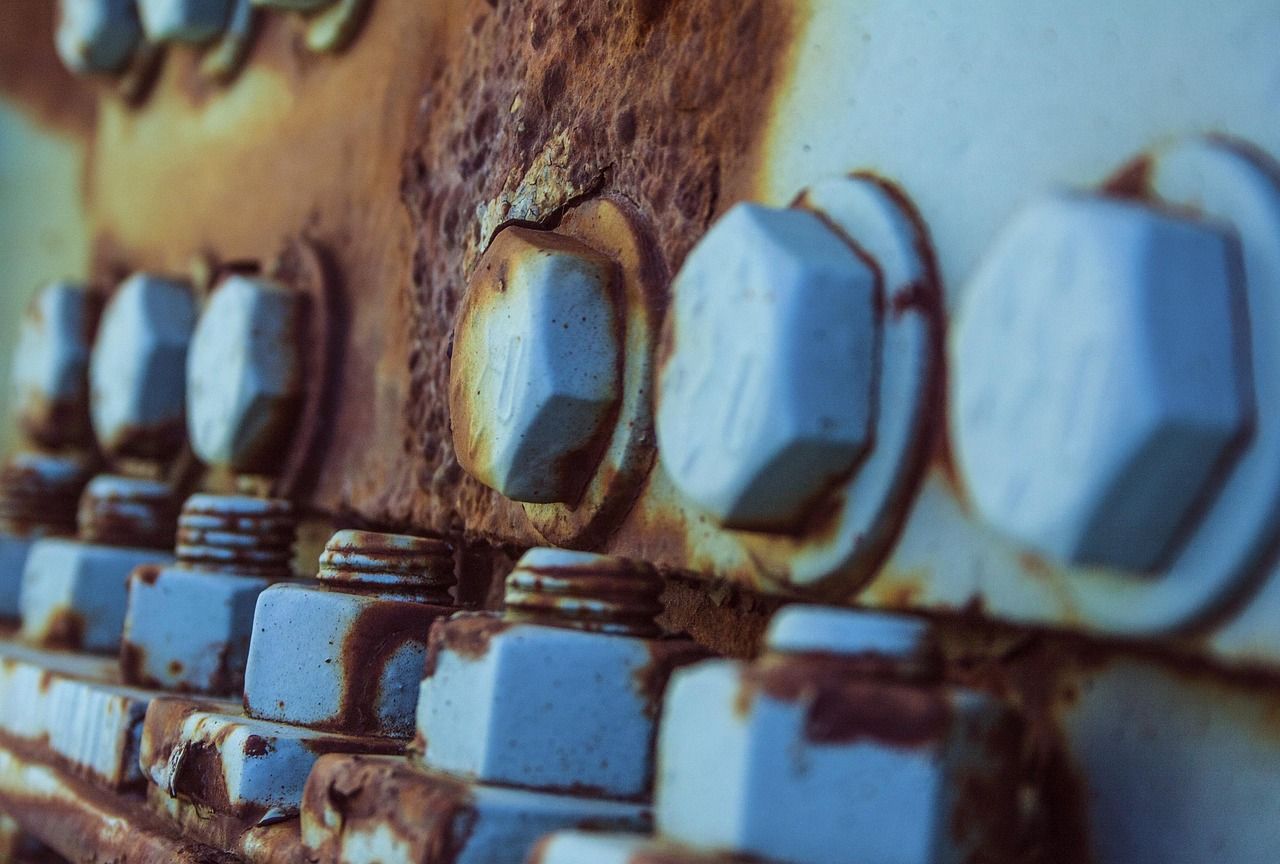
Corroded metal hardware in humid conditions — similar mechanisms affect scissor blades.
How Storage Conditions Make or Break Your Scissors
Storage is the biggest controllable factor for household scissors longevity. Damp drawers, bathrooms, or near sinks trap humidity and promote corrosion. Storing blades in contact with each other or in felt-lined cases can create micro-condensation zones.
Bad storage examples:
- Leaving scissors wet in a drawer
- Storing in high-humidity kitchens or bathrooms (>60% RH)
- Piling them together without separation
- Exposure to direct sunlight or temperature extremes
Good storage practices:
- Keep in a cool, dry, well-ventilated area
- Use a protective sheath, case, or dedicated holder
- Store vertically or separately to allow air circulation
- Add silica gel packets in humid climates for extra moisture control
:max_bytes(150000):strip_icc()/storage-ideas-for-your-entire-home-4138609-01-f73dd58f785b4836a9c8028ed0ebcc53.jpg)
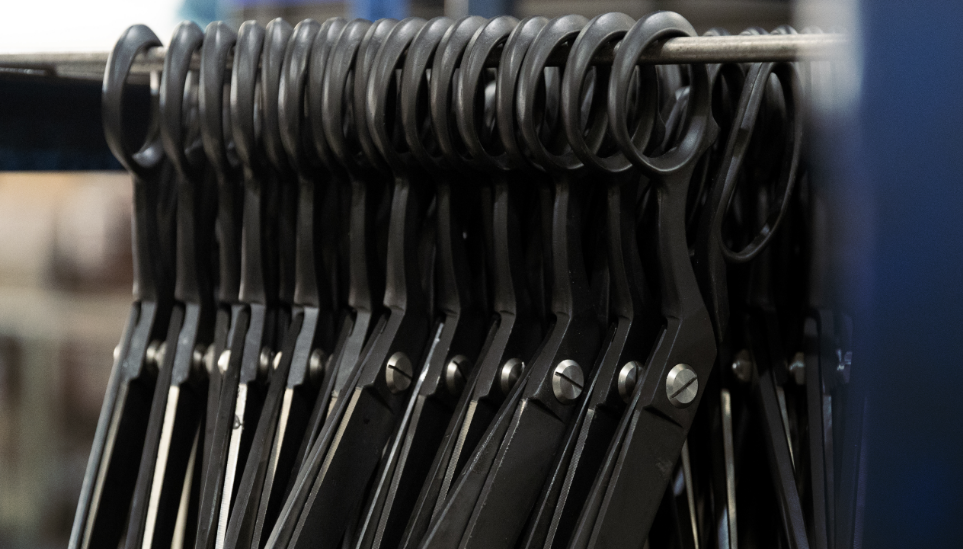
Proper organized storage (left) vs. a clean, dry cabinet setup that promotes air flow (right). Hanging or vertical storage reduces contact moisture buildup.
Comparison Table: Humidity & Storage Impact on Household Scissors
| Condition | Relative Humidity | Storage Environment | Expected Corrosion Time | Effect on Blades | Prevention Tips |
|---|---|---|---|---|---|
| Ideal (Dry) | <50% | Cool, dry cabinet or case | Years to decades | Minimal to none; stays sharp | Wipe dry, light oil, protective case |
| Moderate | 50-60% | Indoor room, occasional use | 6-12 months | Light spotting possible | Regular drying + oiling |
| High Humidity (Problematic) | >60% | Kitchen drawer or bathroom | 1-3 months | Visible rust, pitting, dulling | Dehumidifier, silica packs, frequent oil |
| Poor Storage + Humidity | >70% | Damp drawer, wet after use | Weeks | Severe rust, blade weakening | Avoid entirely; use dry cloth storage |
| Coastal/Salt Exposure | High + salt | Near sea air or sweat | Accelerated (days) | Rapid pitting and discoloration | Rinse with fresh water, dry immediately |
(Data synthesized from general metallurgical principles and tool care guidelines.)
Best Practices to Protect Your Household Scissors
- After every use: Wipe blades thoroughly with a clean, dry cloth. Never store them wet.
- Regular maintenance: Apply a light coat of mineral oil, sewing machine oil, or 3-in-1 oil to the blades and pivot point. This creates a barrier against moisture.

Illustration showing where to apply oil on scissor blades and pivot for optimal protection.
- Cleaning: Hand-wash only with mild soap, rinse, and dry immediately. Avoid dishwashers — the heat, detergents, and humidity inside accelerate corrosion.
:max_bytes(150000):strip_icc()/SPR-how-to-clean-scissors-7496043-Part-01-Step-02-6c3a9492fe7744f899fb99011016a2f7.jpg)
Wiping and drying household scissors after use is one of the simplest and most effective habits.
- Long-term storage: Wrap in a dry cloth or store in a wooden/leather case. In humid areas, consider a small dehumidifier or moisture-absorbing packets.
- Environment control: Aim for stable room temperature and humidity below 60%. In places like Kwai Chung with seasonal humidity, extra vigilance pays off.
Clean vs. rusty comparison — keep your household scissors looking like the shiny ones on the right!
:max_bytes(150000):strip_icc()/SPR-how-to-clean-scissors-7496043-Hero-fded99525057438ba00dca4e59472562.jpg)
Final Thoughts
Humidity and poor storage conditions are the primary culprits behind blade corrosion in household scissors. By understanding the role of moisture and adopting simple dry-storage and oiling routines, you can extend the life of your tools for years. A few minutes of care after each use prevents expensive replacements and keeps your scissors cutting smoothly.
Pro tip for humid climates: Make "wipe-dry-oil-store" your mantra for all metal cutting tools, including household scissors.
Your scissors will thank you with crisp, clean cuts every time!