





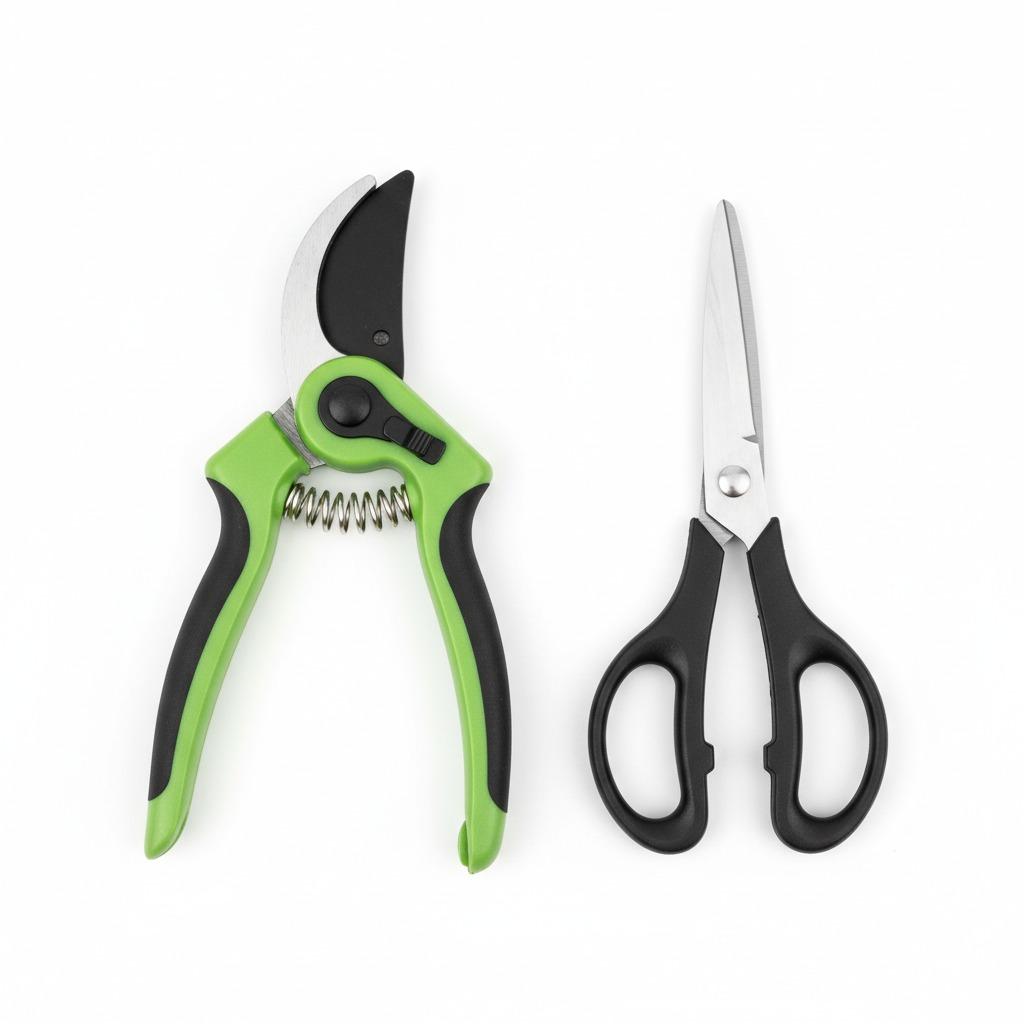

How Ergonomic Handle Designs Reduce Repetitive Strain Injury
Repetitive Strain Injury (RSI) affects millions of people who perform everyday tasks involving hand tools. From crafting and cooking to office work, poor handle designs force awkward wrist positions, excessive grip force, and constant repetition — leading to pain, inflammation, and conditions like carpal tunnel syndrome or tendonitis. The good news? Ergonomic handle designs dramatically reduce these risks by promoting neutral postures and minimizing strain. A common household scissor is one of the best real-world examples of how a simple upgrade can prevent long-term damage.
What Is Repetitive Strain Injury and Why Does It Happen?
RSI develops from repeated motions that overload muscles, tendons, and nerves — especially in the hands and wrists. Poor tool handles exacerbate the problem by requiring bent wrists, tight gripping, and frequent opening/closing actions. Over time, this compresses nerves (like the median nerve in the carpal tunnel) and inflames tendons, causing numbness, weakness, and chronic pain.
How Traditional Handles Contribute to RSI
Standard straight, rigid handles force your wrist into deviation and demand high grip pressure. This misalignment increases pressure on tendons and nerves while making every cut or squeeze more fatiguing.

Key Features of Ergonomic Handle Designs
Modern ergonomic handles solve these issues with smart engineering:
- Angled or offset handles keep the wrist straight and aligned with the forearm.
- Soft, contoured grips (often rubber or textured) reduce required force and prevent slipping.
- Spring-loaded mechanisms automatically reopen the tool, cutting repetition in half.
- Swivel or crane-style thumb rests allow natural finger positioning and reduce thumb strain.
These features are especially effective for household tasks where tools are used daily.
Comparison: Traditional vs. Ergonomic Handles
Here’s a clear side-by-side look at how ergonomic designs outperform traditional ones:
| Feature | Traditional Handles | Ergonomic Handles | RSI Reduction Benefit |
|---|---|---|---|
| Wrist Position | Bent or deviated | Neutral and straight | Minimizes nerve compression and tendon strain |
| Grip Force Needed | High (hard plastic/metal) | Low (soft, compressible materials) | Reduces muscle fatigue by distributing pressure |
| Repetitive Action | Manual reopen every time | Spring-assisted or swivel thumb | Lowers repetition strain significantly |
| Prolonged Use Comfort | Quick fatigue and pain | Supports extended sessions without strain | Prevents chronic conditions like carpal tunnel |
| Overall Risk Level | High for daily users | Dramatically lower | Proven to protect hands in repetitive tasks |
The Household Scissor: A Perfect Everyday Example
Think about your household scissor — the one you grab for cutting paper, fabric, packaging, or herbs. Traditional versions cause hand cramps after just a few minutes. Switch to an ergonomic model with soft grips and spring action, and cutting becomes effortless and pain-free. These designs are widely available for kitchen, craft, and general home use, making RSI prevention accessible to everyone.


Proper Grip Technique Maximizes the Benefits
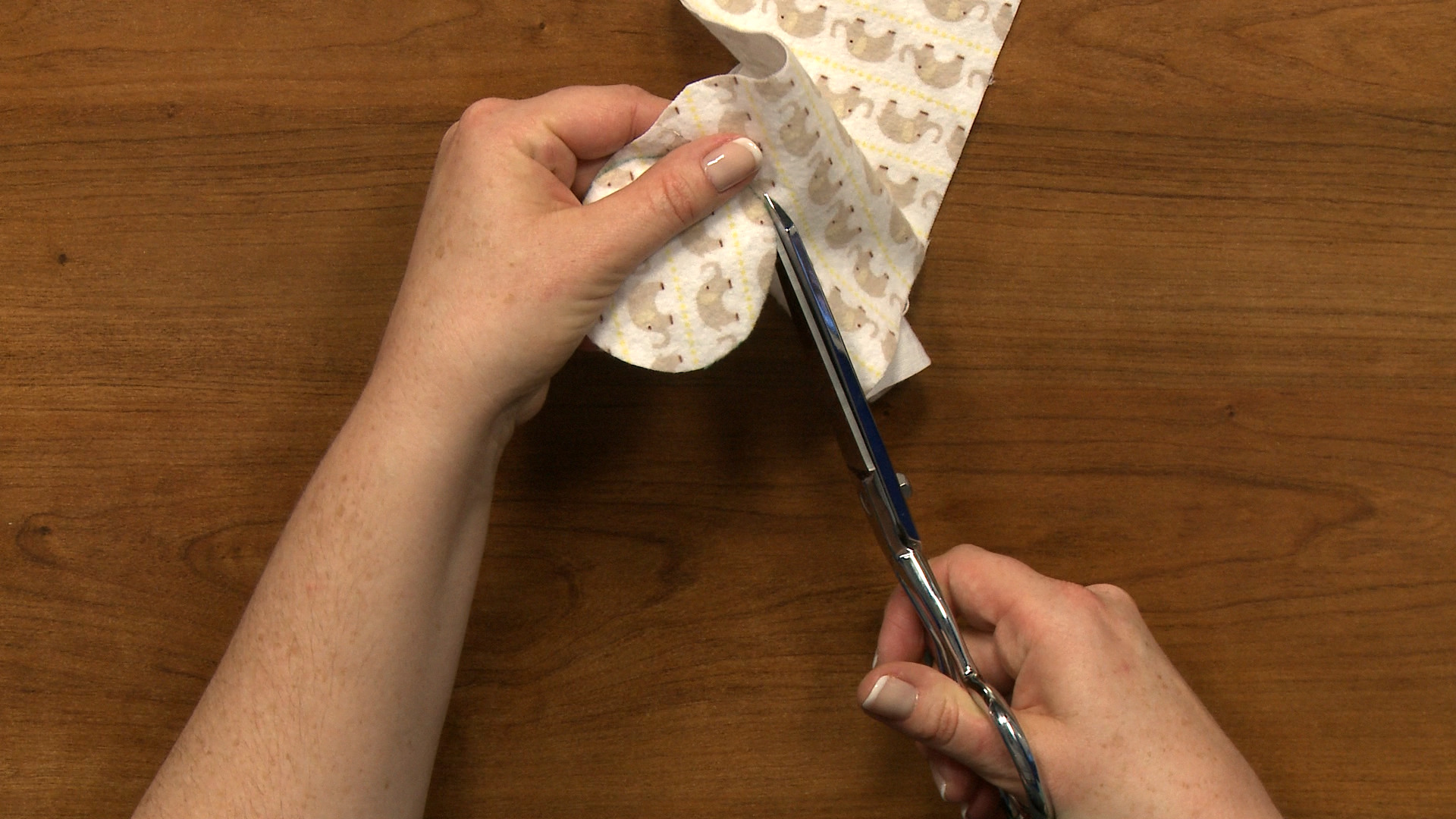
Even the best ergonomic handles work best when paired with correct technique. Keep your wrist straight, hold the tool lightly, and let the design do the work. Avoid squeezing with your thumb or twisting your arm.
Take Action: Protect Your Hands Today
Investing in tools with ergonomic handle designs is one of the simplest and most effective ways to reduce repetitive strain injury. Start small — upgrade your household scissor or other daily tools — and you’ll notice less fatigue and more comfort immediately. Your hands do so much for you; give them the support they deserve with smarter, strain-reducing designs.
By combining ergonomic innovation with mindful use, RSI becomes far less likely. Stay pain-free and productive — your future self will thank you!