





Handling Heavy Woolens: Choosing Shears for Thick Materials
Heavy woolens—think dense coatings, meltons, and tweeds—present unique challenges in the sewing room. These luxurious fabrics add structure and warmth to coats, jackets, and tailored garments, but their thickness and density can turn a simple cutting session into a frustrating battle. The right pair of shears makes all the difference, delivering clean, precise cuts without fraying edges or straining your hands. In this guide, we’ll explore how to select the perfect tools for the job, with a special focus on tailor scissors that professionals swear by for thick materials.
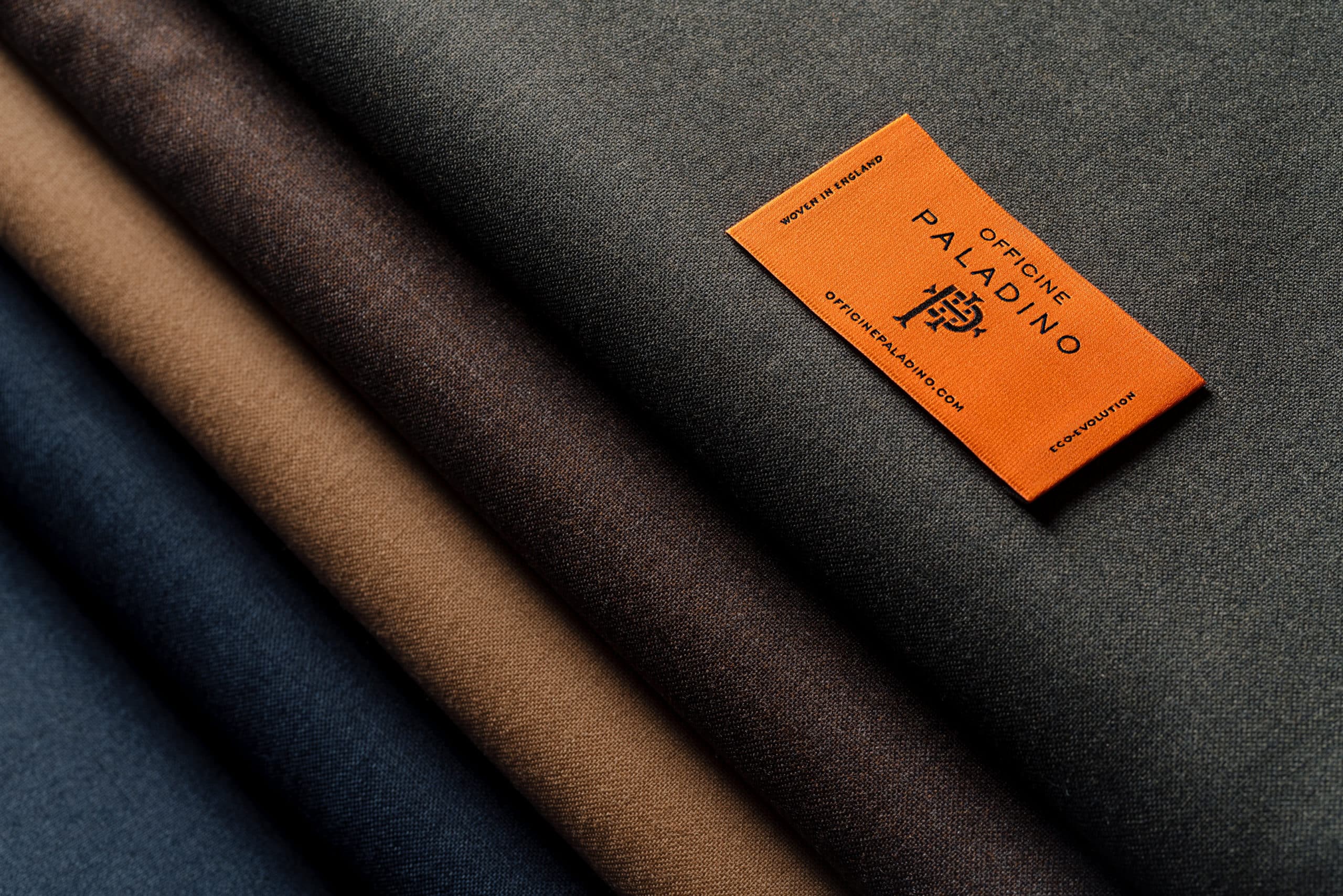
Heavy wool fabrics in rich tones, ready for precision cutting. These dense materials require shears that can handle multiple layers without skipping or tearing.
Why Heavy Woolens Demand Specialized Shears
Standard household scissors simply don’t cut it (literally) when working with heavy woolens. The fabric’s thickness—often 400–600 grams per meter—creates resistance that dulls blades quickly and causes hand fatigue. Poor-quality shears can lead to jagged edges, distorted patterns, and wasted yardage.
Professional tailor scissors (also called tailor’s shears) are engineered for this exact purpose. Their longer blades, sharper edges, and ergonomic designs glide through thick layers, ensuring accuracy for everything from coat collars to structured jackets.
Key Features to Look for in Shears for Thick Materials
When shopping for shears suited to heavy woolens, prioritize these features:
- Blade Length: 8–12 inches for better leverage on large pattern pieces.
- Material: High-carbon steel or forged blades that stay sharp longer and resist nicks.
- Handle Design: Offset or bent handles (like in classic tailor scissors) keep your hand elevated above the fabric for smoother cutting.
- Weight and Balance: Heavier shears provide the power needed for thick stacks, but they must feel balanced to avoid wrist strain.
- Sharpness and Tension: Adjustable pivot screws allow you to fine-tune the blade tension for wool’s unique density.
Investing in quality tailor scissors pays off—many last decades with proper care.

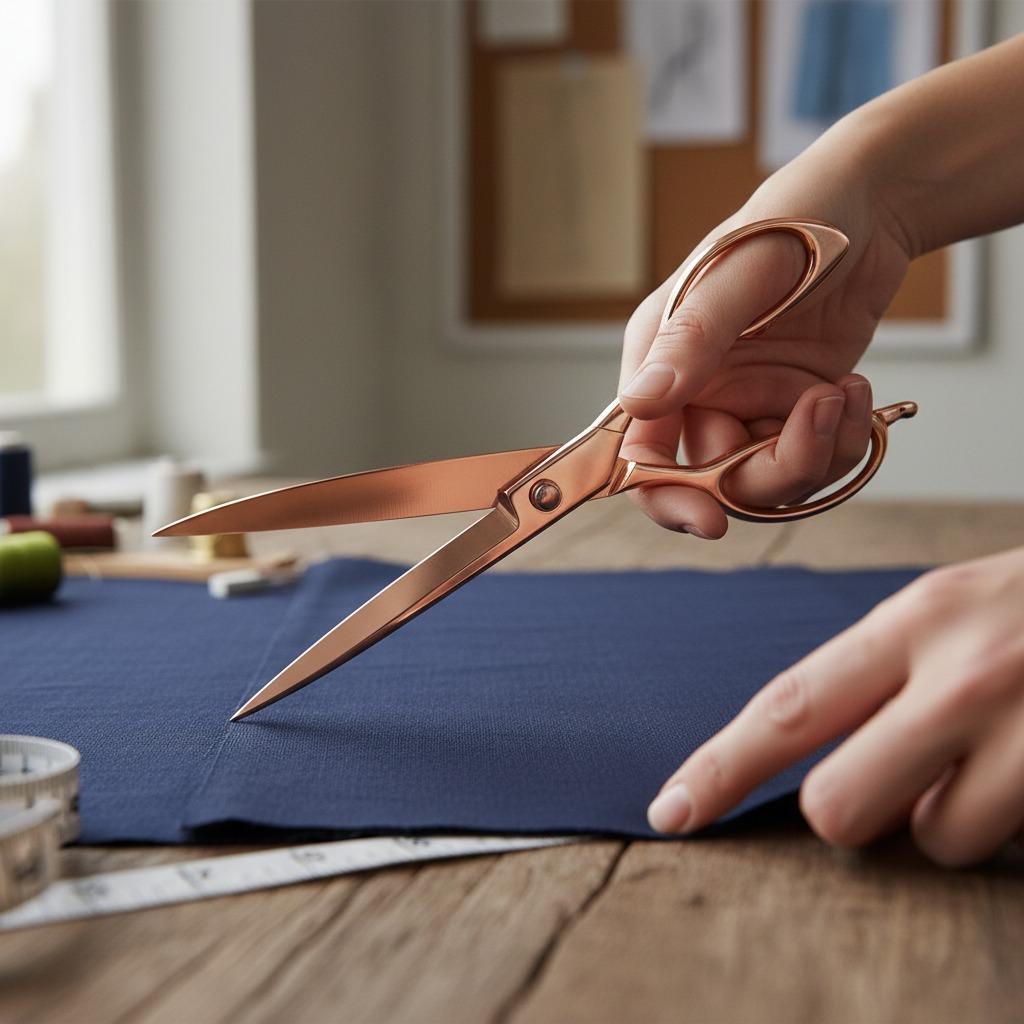
Precision in action: A pair of professional shears slicing through fabric with ease.
Recommended Types of Shears for Heavy Woolens
Here are the top categories professionals reach for:
- Classic Tailor Scissors: The gold standard for thick woolens. Long, straight blades excel at straight cuts and pattern work.
- Bent-Handle Shears: Popular among tailors for their ergonomic grip—your hand stays above the table, reducing fatigue on large projects.
- Heavy-Duty Forged Shears: Built for industrial-level wool coatings; often feature serrated edges for extra grip on slippery or dense weaves.
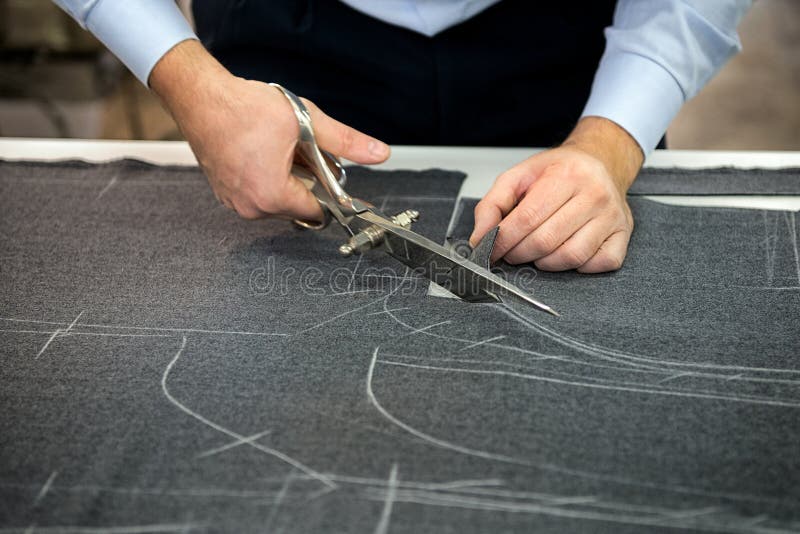
A skilled tailor demonstrating proper technique with heavy-duty shears on thick wool fabric.
Comparison Table: Choosing the Right Shears
Use this quick-reference table to match shears to your heavy woolen projects:
| Shear Type | Blade Length | Material | Best For Heavy Woolens | Approx. Price Range | Pros | Cons |
|---|---|---|---|---|---|---|
| Classic Tailor Scissors | 8–10 inches | High-carbon steel | Coats, jackets, structured garments | $25–60 | Excellent leverage, durable | Heavier for extended use |
| Bent-Handle Shears | 9–12 inches | Forged stainless | Large pattern pieces, multiple layers | $40–80 | Ergonomic, smooth glide | Slightly higher cost |
| Heavy-Duty Professional | 10–12 inches | Titanium-coated steel | Industrial wool coatings & meltons | $50–120 | Long-lasting sharpness | May feel bulky for beginners |
| Lightweight Tailor Scissors | 7–9 inches | Carbon steel | Medium-heavy wool blends | $20–45 | Easy to maneuver | Less power for very thick stacks |
This table highlights why tailor scissors remain the go-to choice for serious sewists tackling thick materials.

An array of quality shears—note the variety in blade lengths and handle styles designed specifically for fabric work.
Pro Tips for Cutting Heavy Woolens
- Always cut on a large, stable surface to support the fabric’s weight.
- Use pattern weights instead of pins to avoid distorting thick wool.
- Sharpen your tailor scissors regularly with a honing stone or professional service.
- Cut in a single direction—never go back and forth—to prevent fraying.
- For the cleanest results, cut woolens on the bias when possible for added drape.
The Payoff: Beautiful, Professional Results
With the right shears, heavy woolens transform from challenging to rewarding. Your finished garments will have crisp lines, perfect seams, and that luxurious hang only quality tailoring delivers.
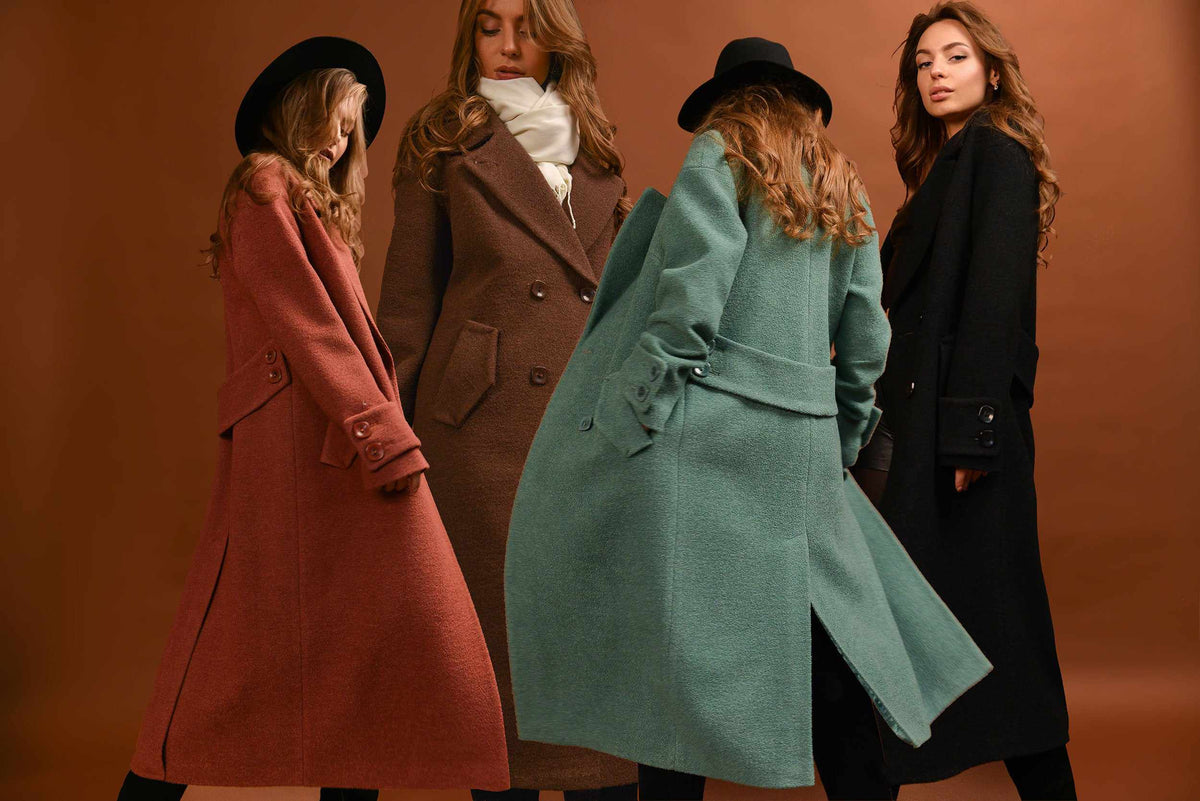
Stunning finished wool coats showcasing the precision possible with proper shears and heavy woolens.
Ready to upgrade your toolkit? A good pair of tailor scissors is an investment in your craft—and your wardrobe. Happy sewing!