





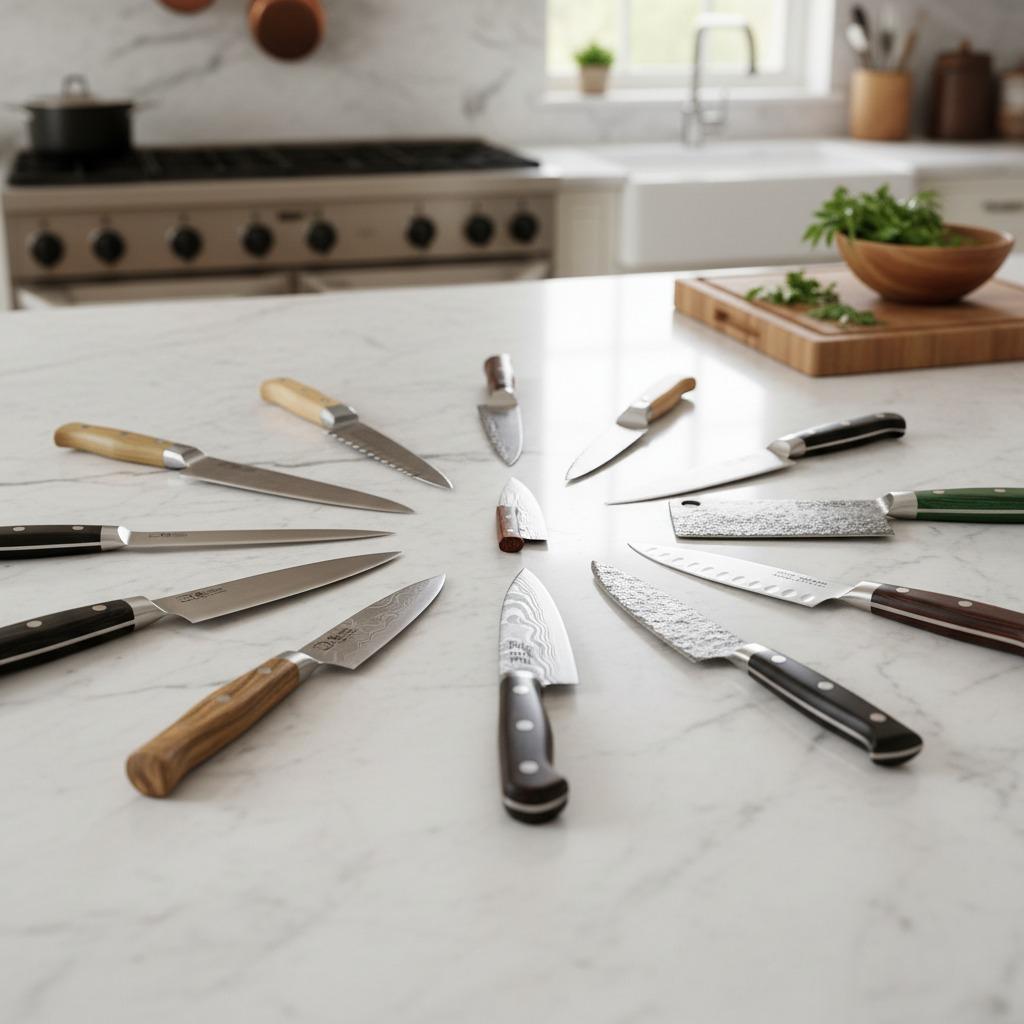
German vs. Japanese Knives: Which One Is Right for You?
In the world of kitchen knives, two powerhouses dominate the conversation: German-style and Japanese-style blades. German knives (think Wüsthof or Zwilling) are built like tanks—thick, sturdy, and ready for anything. Japanese knives (like Shun or Global) are razor-sharp precision instruments inspired by samurai swordcraft.
Which one belongs in your kitchen? This illustrated guide breaks it down with clear comparisons, real-world use cases, and a handy decision table so you can choose with confidence.
A Quick History Lesson
German knives evolved in Solingen, Germany—the “City of Blades”—with a focus on industrial durability and stainless steel that resists rust. They’re designed for heavy Western cooking styles like rocking chops.
Japanese knives trace their roots to ancient sword-making traditions in Sakai and other regions. They emphasize extreme sharpness, thinness, and craftsmanship, often using laminated high-carbon steels for delicate Asian techniques like sashimi slicing.

Key Differences at a Glance
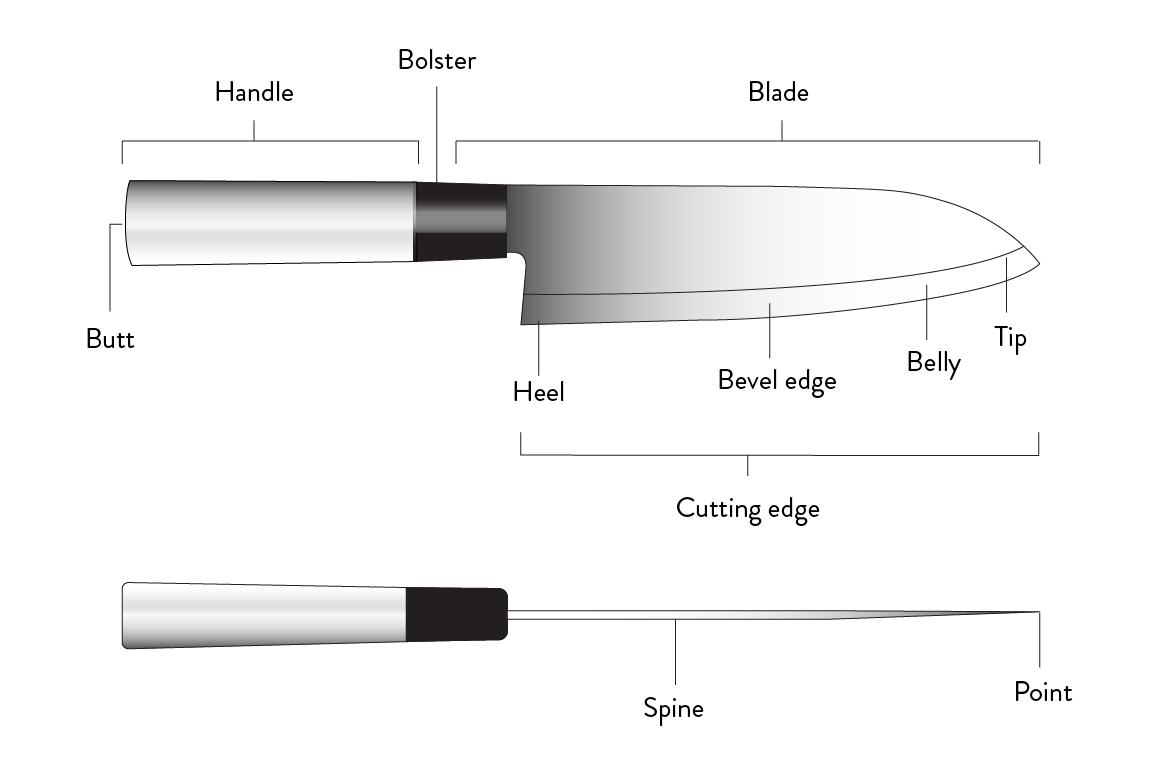
The real magic (and the most common point of confusion) lies in blade geometry and performance.
German knives are thicker behind the edge, with a wider bevel angle (around 20° per side). They feel substantial in the hand and excel at brute-force tasks.
Japanese knives are lighter and thinner, sharpened at a steeper, more acute angle (often 10–15° per side). This gives them legendary edge retention and effortless slicing—but they demand more respect.
Here’s a side-by-side comparison:
| Feature | German Knives | Japanese Knives |
|---|---|---|
| Steel Hardness | 56–59 HRC (softer, more forgiving) | 60–66+ HRC (harder, stays sharper longer) |
| Edge Angle (per side) | ~20° | 10–15° |
| Blade Thickness | Thicker spine & belly | Ultra-thin behind the edge |
| Weight & Balance | Heavier, full bolster | Lightweight, nimble |
| Durability | Tougher, less prone to chipping | Extremely sharp but can chip if misused |
| Maintenance | Easy to sharpen on whetstones or steels | Requires finer stones & careful technique |
| Best For | Heavy chopping, root vegetables, meat | Precision slicing, fish, herbs, veggies |
| Popular Brands | Wüsthof, Zwilling, Henckels | Shun, Miyabi, Global, Tojiro |
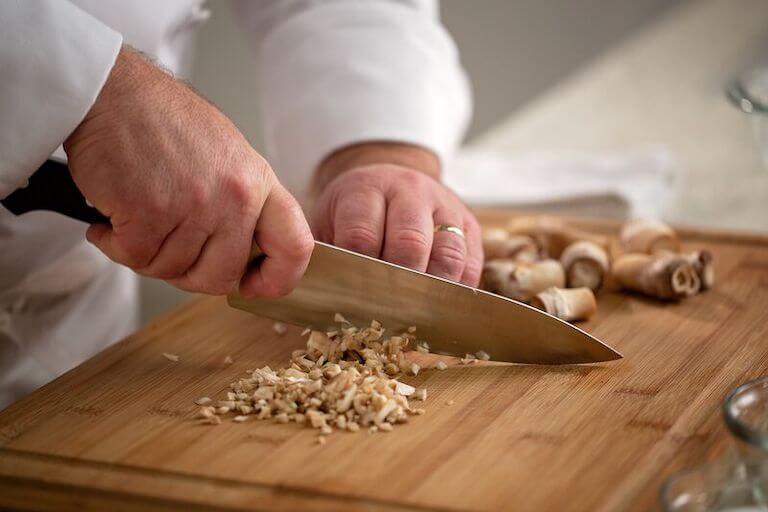
German Knives in Action: Built for Power
German-style knives shine when you need raw force. Their curved belly and weight let you rock back and forth for efficient mincing and chopping.
Pros
- Extremely durable and forgiving
- Great for beginners and heavy daily use
- Full bolster provides balance and safety
Cons
- Not as razor-sharp out of the box
- Heavier—can cause fatigue during long prep sessions
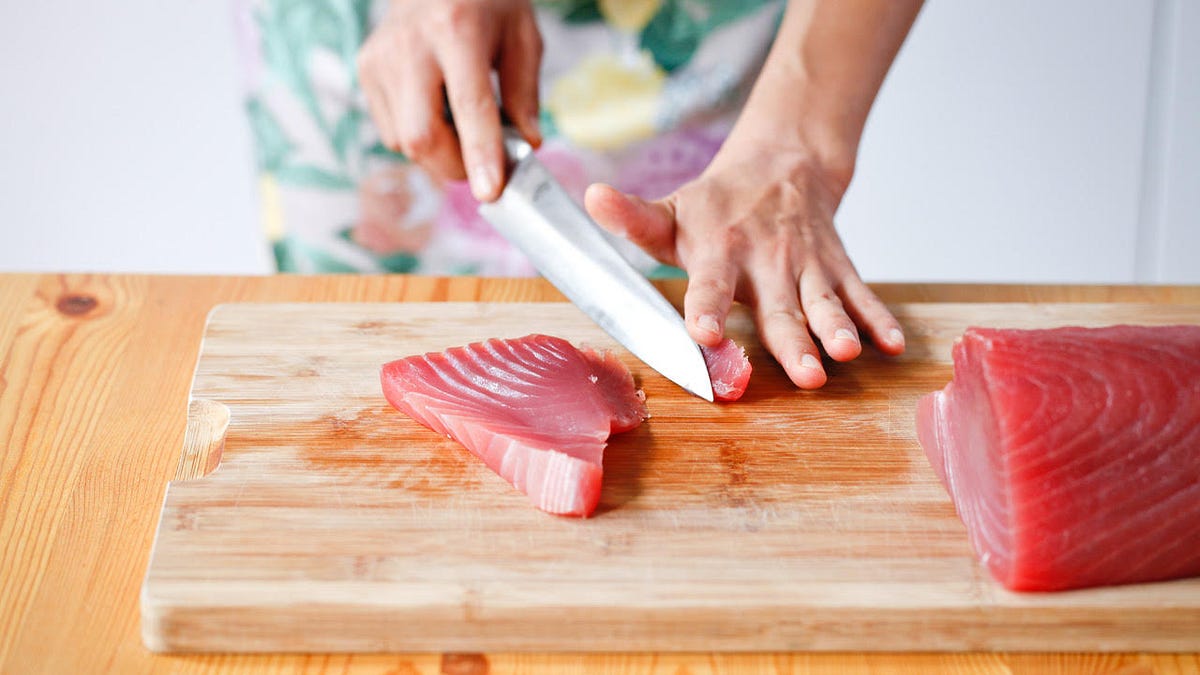
Japanese Knives in Action: Masters of Precision
Japanese blades are poetry in motion. Their thin profile and acute edge glide through tomatoes, fish, or herbs with almost no resistance.
Pros
- Insanely sharp—cuts like a laser
- Lightweight and agile for delicate work
- Stunning Damascus patterns on premium models
Cons
- More fragile; can chip on hard bones or frozen food
- Requires regular honing and careful storage
Which One Is Right for You?
- Choose German if you’re a home cook who wants one knife to rule them all, loves big chopping sessions, or prefers low-maintenance tools. Perfect for Western recipes heavy on carrots, potatoes, and meat.
- Choose Japanese if you prioritize surgical precision, cook a lot of vegetables, fish, or Asian dishes, and don’t mind a bit more care. Ideal for sushi enthusiasts or anyone who values feather-light performance.
- Best of both worlds? Many serious home chefs own one of each—a German chef’s knife for brute force and a Japanese gyuto or santoku for finesse.
Pro tip: Start with an 8-inch chef’s knife in either style. It’s the most versatile size for 90% of tasks.
Final Verdict
There is no universal “better” knife—only the right knife for your cooking style, budget, and maintenance willingness. German knives win on toughness and versatility; Japanese knives win on sharpness and elegance.
Whichever you pick, invest in a good sharpening system and treat your blade with respect. Your future meals will thank you!
Ready to upgrade your knife drawer? Drop a comment below with your current favorite (or the style you’re leaning toward) and I’ll help you narrow down specific models. Happy chopping! 🔪