





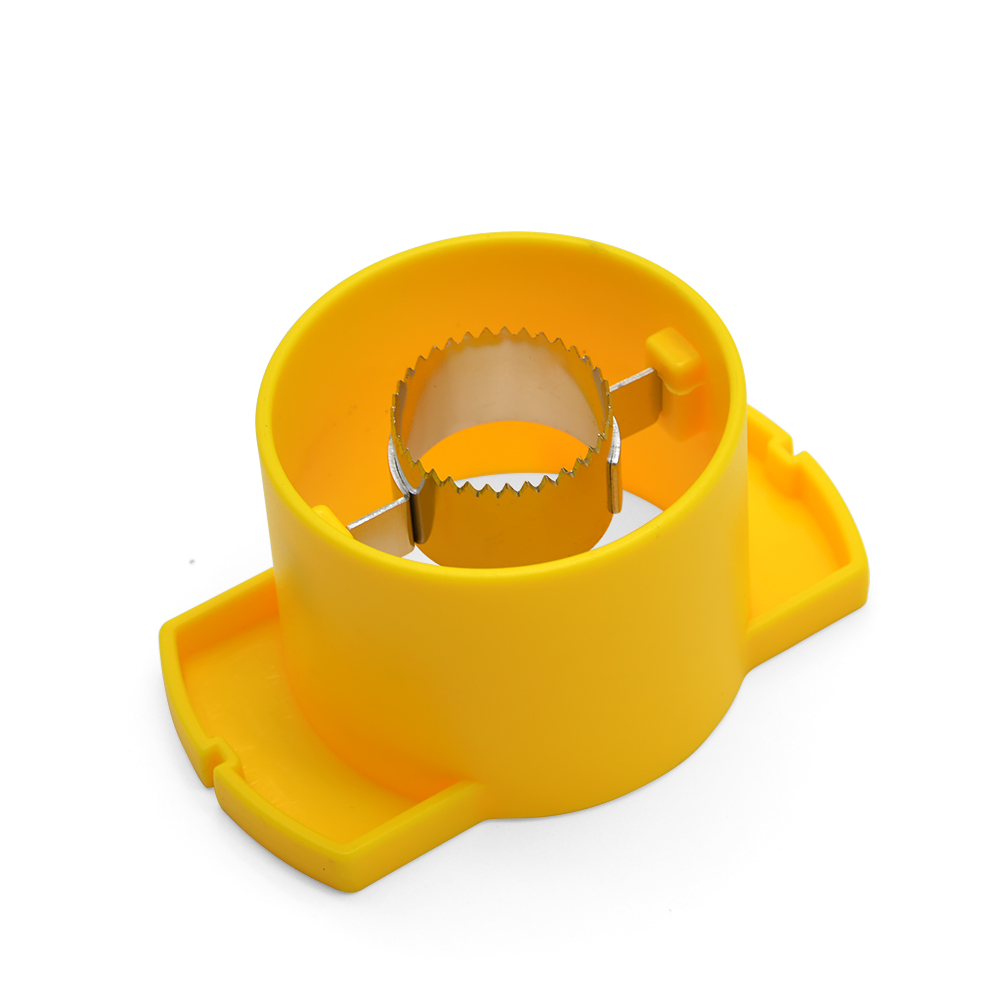
The basic function of corn threshing machine
Corn threshers are an essential agricultural tool designed to effectively separate corn kernels from the rods. This process has been historically labor-intensive and time-consuming, and has been time-consuming when done manually, and has completely changed this process through the emergence of various threshing mechanisms. Whether used for small-scale farming or large-scale agricultural operations, reliable disconnects significantly increase productivity and reduce manual efforts, making it a critical device for anyone engaged in corn harvest.
Explore Corn Thresher
Corn threshers can automatically remove the kernel, using different methods (such as friction, jump or shelling) to achieve this separation clearly. These machines come in all sizes and capabilities, from manual manual models that fit a few corn ears to larger maneuverable devices that can quickly handle large numbers of them. The main benefit of using a corn thresher is that clean, undamaged kernels have a higher yield than manual methods, which can usually be slower and can result in more kernel damage or loss.
Find the best corn threshing machine for your needs
When looking for the best corn threshers, there are several factors that come into play. Consider your operating scale: A small farm may find manual or small electric thresher machines, while commercial operations will require high capacity, durable machines. View threshing efficiency, kernel damage rate, power supply (manual, electric or engine driven), ease of maintenance and overall build quality. Reading reviews and comparing specifications can help determine the best corn threshers that align with your specific requirements and budget, ensuring you invest in tools that provide you with good service and improve your processing workflow in the coming years.
The influence of modern threshing technology
The evolution of corn threshers and the wider availability of advanced corn threshers models have had a profound impact on global corn processing. By mechanizing this critical step, farmers can achieve faster turnaround time from harvest to market, reduce post-harvest losses and improve the overall quality of corn. This technology not only makes corn production more effective, but also contributes to food security by simplifying an important part of the food supply chain, thus ensuring more valuable crops can attract consumers.